
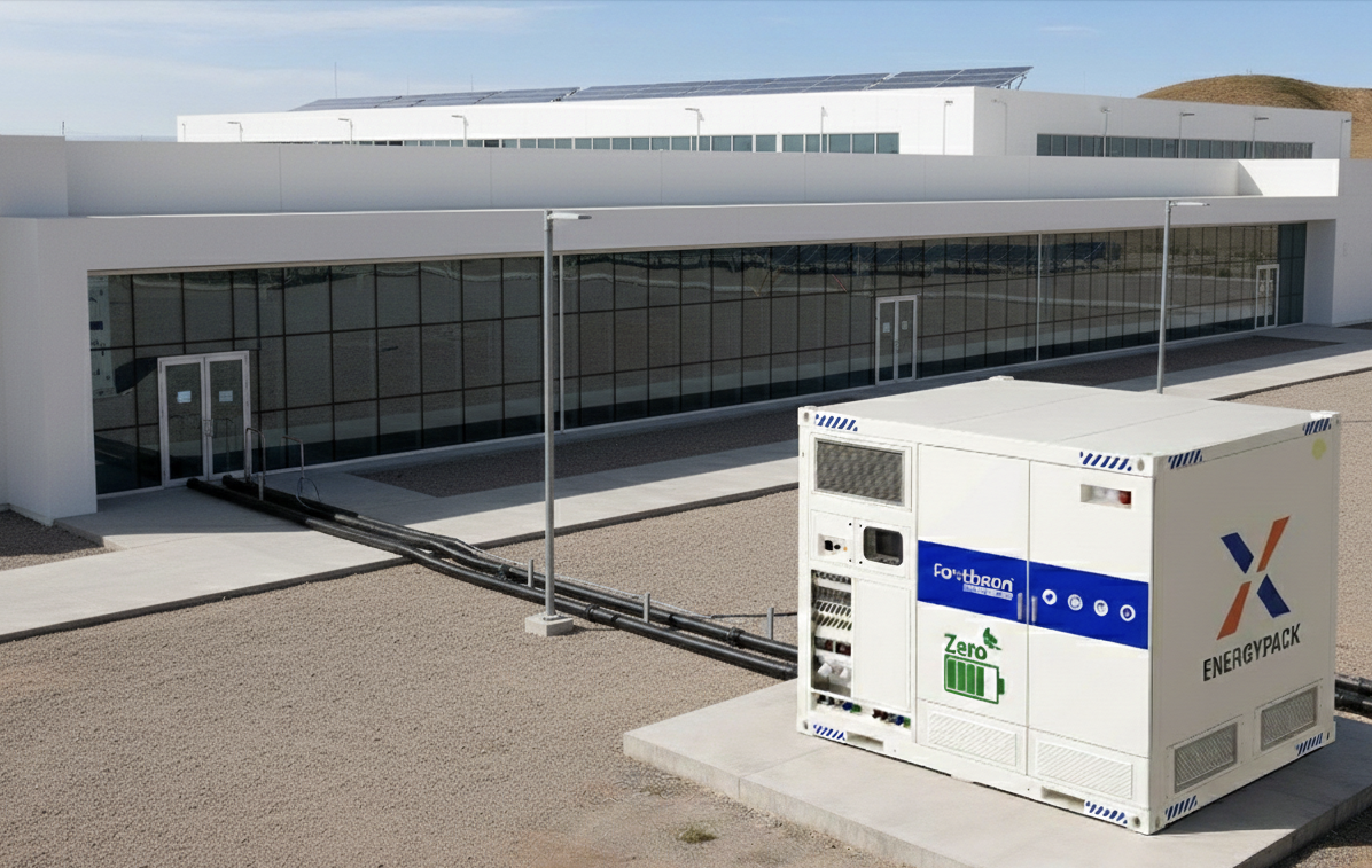
In modern industrial operations, deploying a robust mobile energy storage system has become a standard method for securing high-quality power in temporary, remote, or off-grid environments. Industries ranging from utility maintenance to construction logistics require stable, dependable electricity that can be deployed rapidly without relying solely on fixed infrastructure. Understanding the technical configurations, integration options, and operational advantages of these systems is key for engineering procurement teams and fleet managers seeking to optimize their energy portfolios.
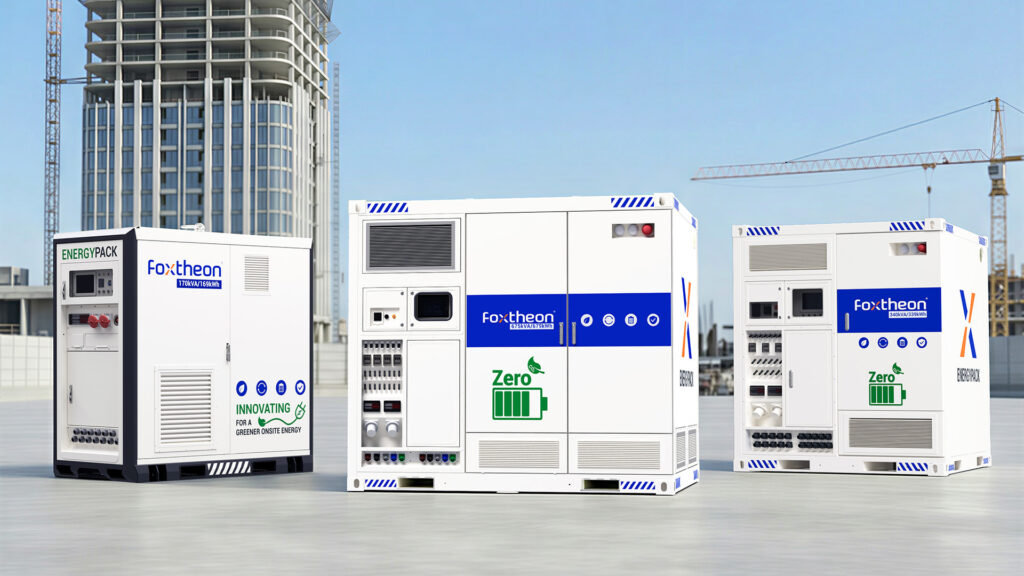
Technical Architecture of Mobile Energy Storage Systems
A well-engineered mobile energy storage system relies on several interconnected subsystems to convert, store, and distribute electrical energy safely. Unlike stationary battery energy storage systems (BESS), mobile units must withstand physical stresses, vibration during transport, and varying environmental conditions while maintaining high efficiency.
1. Battery Chemistry and Energy Density
Most industrial-grade mobile storage systems utilize Lithium Iron Phosphate (LiFePO4) chemistry. LiFePO4 chemistry is widely selected due to its thermal stability, long cycle life (often exceeding 4,000 to 6,000 cycles at 80% Depth of Discharge), and superior safety profile compared to other lithium-ion variants. The cell configuration determines the overall voltage range and capacity of the DC bus, which typically ranges from 400V to over 800V in high-capacity utility-scale mobile units.
2. Power Conversion System (PCS)
The PCS consists of bi-directional inverters that facilitate the transfer of energy between the battery cells (DC) and the external load or grid (AC). These inverters are designed to operate in both grid-following and grid-forming modes:
- Grid-Following Mode: The inverter synchronizes with an existing external voltage and frequency source, such as a utility connection or a running diesel generator, to provide supplemental power or peak shaving.
- Grid-Forming Mode: The inverter acts as the voltage and frequency source, establishing a localized microgrid. This is necessary for isolated black-start operations and off-grid remote sites.
3. Battery Management System (BMS) and Energy Management System (EMS)
The BMS monitors parameters at the cell, module, and pack levels. It tracks State of Charge (SoC), State of Health (SoH), temperature, voltage, and current. If any parameter falls outside safe operating tolerances, the BMS initiates protective shutdowns. Industrial manufacturers like Foxtheon focus on developing systems with advanced thermal management and robust structural framing to withstand harsh transport environments.
The EMS sits above the BMS, managing power flow based on external commands, load profiles, or real-time grid conditions. It handles communication protocols such as Modbus TCP/IP, CAN bus, and IEC 61850, allowing seamless integration into supervisory control and data acquisition (SCADA) platforms.
4. Thermal Management Systems
Operating in diverse geographic regions requires active thermal management. Mobile systems employ either liquid cooling or forced-air cooling systems. Liquid cooling offers superior temperature uniformity across cells, which extends battery life and maintains system efficiency under high continuous charge or discharge rates, even in ambient temperatures exceeding 45°C.
Practical Applications Across Industrial Sectors
When analyzing application scenarios, a mobile energy storage system serves as a versatile asset across multiple sectors. Its mobility allows fleet operators to reallocate energy assets as project demands shift.
Utility Substation Maintenance and Grid Support
During scheduled substation maintenance or equipment upgrades, utilities must maintain service continuity for downstream customers. Mobile storage units can be towed to the site, connected to the medium-voltage or low-voltage distribution network, and act as a temporary power bridge. This minimizes planned outage times and stabilizes local voltage profiles during line switching operations.
Remote Construction and Infrastructure Projects
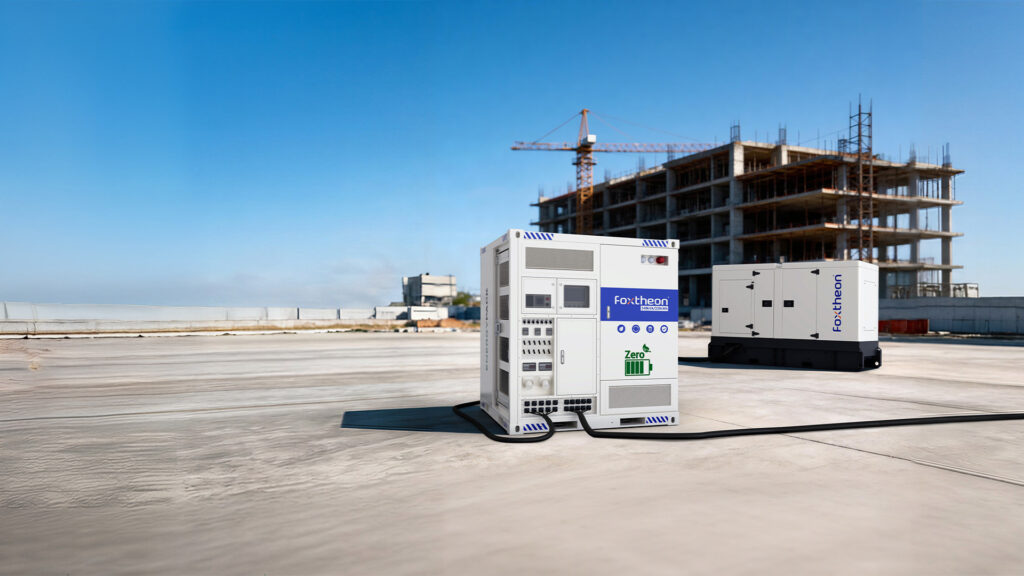
Large-scale construction sites, tunneling operations, and pipeline installations are frequently located far from the main electrical grid. Installing permanent power lines for temporary work is often impractical. Mobile units provide clean, silent power during night shifts, reducing noise pollution in municipal areas and ensuring compliance with local environmental regulations.
Emergency Disaster Recovery
Natural disasters can compromise local power distribution networks. Mobile storage systems can be rapidly deployed to supply emergency power to drinking water treatment facilities, field hospitals, mobile communication towers, and command centers. Their rapid response capability and immediate black-start functionality make them vital for early-stage recovery operations.
Addressing Key Industrial Operational Challenges
Industrial operations face ongoing challenges regarding power quality, fuel distribution logistics, and environmental regulations. Integrating mobile battery assets helps mitigate these operational risks.
Power Quality and Voltage Fluctuation
Many remote operations use sensitive electronic equipment, diagnostic tools, or variable speed drives that require a clean sine wave. Voltage sags, swells, and transient harmonics from traditional mechanical generators can cause equipment faults or premature wear. Mobile battery systems deliver highly regulated, pure sine wave power with low total harmonic distortion (THD < 3%), protecting sensitive components from electrical stress.
Reducing Idle Run Times and Low-Load Operation
Mechanical generators often run continuously to handle sudden peak loads, even when the average demand is extremely low. Operating a generator at low loads (under 30% of rated capacity) leads to wet stacking, increased soot buildup, and accelerated mechanical wear. By utilizing a battery storage system to handle low-load periods, the mechanical units can be shut down or run only when operating at their optimal, highly efficient load points.
Complementary Integration within Hybrid Power Configurations
Integrating a mobile energy storage system into a hybrid microgrid setup allows operators to manage energy distribution more dynamically. Rather than replacing existing assets, mobile battery systems function as a stabilizing layer within the broader power architecture.
In a typical hybrid setup, the mobile battery system works in tandem with existing internal combustion generators and localized solar PV arrays. During periods of high solar irradiance, excess photovoltaic generation is directed to charge the battery bank. When cloud cover interrupts solar output, or when load spikes occur due to heavy machinery startup, the battery system instantly injects power into the microgrid, preventing voltage drops and avoiding the need to start up additional generators.
| System Component | Primary Role in Hybrid Setup | Operational Interdependency |
|---|---|---|
| Mobile Battery Storage | Dynamic load response, frequency regulation, and voltage stabilization. | Absorbs excess energy from solar or generators; discharges during peak demand. |
| Mechanical Generators | Base-load support and long-duration continuous generation. | Operates at optimal load points; charges the battery bank when running at high efficiency. |
| Solar PV Arrays | Zero-emission fuel-free power generation during daylight hours. | Supplies power directly to the load and routes surplus energy to the battery system. |
Technical Specifications and Selection Criteria
As industrial operations look to optimize their power configurations, selecting a high-performance mobile energy storage system requires careful evaluation of technical specifications. Engineering teams must evaluate several core parameters before integration:
- Continuous and Peak Power Output (kW): The inverter must be rated to handle both continuous operating loads and instantaneous inrush currents from inductive loads like motors or compressors.
- Energy Capacity (kWh): This dictates the operational runtime of the battery system at a specific discharge rate before recharging is required.
- Enclosure Protection Class: Outdoor operations require robust enclosures (IP54 or IP55 rating minimum) to guard against dust, rain, and debris.
- Transport Compliance: Ensure the battery container or trailer meets regional transportation guidelines for hazardous materials (such as UN 38.3 certification for lithium battery transport).
Collaborating for Industrial Energy Solutions
Developing a dependable remote power strategy requires working with manufacturers who understand industrial electrical standards and harsh operational environments. By partnering with experienced system providers such as Foxtheon, enterprises can access highly customized solutions tailored to specific operational requirements.
Whether configuring high-voltage utility bypass trailers or smaller, localized skid-mounted units, professional engineering ensures that the battery chemistry, inverter topology, and thermal management systems are matched correctly. This tailored approach enhances system reliability, safeguards operational continuity, and simplifies integration with existing machinery and local control networks.
Frequently Asked Questions
Q1: What are the main components of a mobile energy storage system?
A1: A standard mobile system comprises four primary components: the battery pack (typically Lithium Iron Phosphate cells), a bi-directional Power Conversion System (PCS) or inverter, an intelligent Battery Management System (BMS) integrated with an Energy Management System (EMS), and an active thermal management system (liquid or air-based) to regulate operating temperatures.
Q2: How does a mobile battery system integrate with existing diesel generators?
A2: The mobile battery system integrates via a hybrid microgrid controller. It can run in parallel with the generator, acting as a buffer that absorbs load spikes and allows the generator to run at its most efficient load point. In low-load scenarios, the generator can be turned off entirely while the battery supports the network, reducing wear and saving fuel.
Q3: Can these systems operate in extreme outdoor weather conditions?
A3: Yes. Industrial mobile systems are housed in ruggedized, weatherproof enclosures rated IP54 or IP55. They feature integrated heating and cooling systems (HVAC or liquid-to-air heat exchangers) designed to maintain battery cell temperatures within safe operating thresholds, even in ambient environments ranging from -20°C to +50°C.
Q4: What is the expected lifespan of a mobile lithium battery system?
A4: Using high-quality LiFePO4 chemistry, these systems typically provide between 4,000 and 6,000 charge/discharge cycles before capacity degrades to 80% of its original rating. Under typical operational profiles, this equates to 10 to 15 years of useful service life, depending on usage frequency, depth of discharge, and thermal management.
Q5: Are there specific safety protocols built into mobile energy storage systems?
A5: Yes. Safety is managed through multi-layered protection systems. This includes cell-level monitoring by the BMS, automatic electrical isolation via contactors, integrated surge protection, and automated fire suppression systems (such as aerosol or gas-based clean agents) designed to detect and suppress thermal events rapidly.
Contact Our Engineering Team for Custom Integration Solutions
Optimizing dynamic, remote, or temporary power networks requires precise engineering and high-quality hardware. For detailed engineering drawings, custom specification consultations, or to discuss how Foxtheon can support your fleet integration, please contact our technical advisory team. We can assist in configuring a reliable system that integrates seamlessly with your existing infrastructure and meets your exact operational demands.