
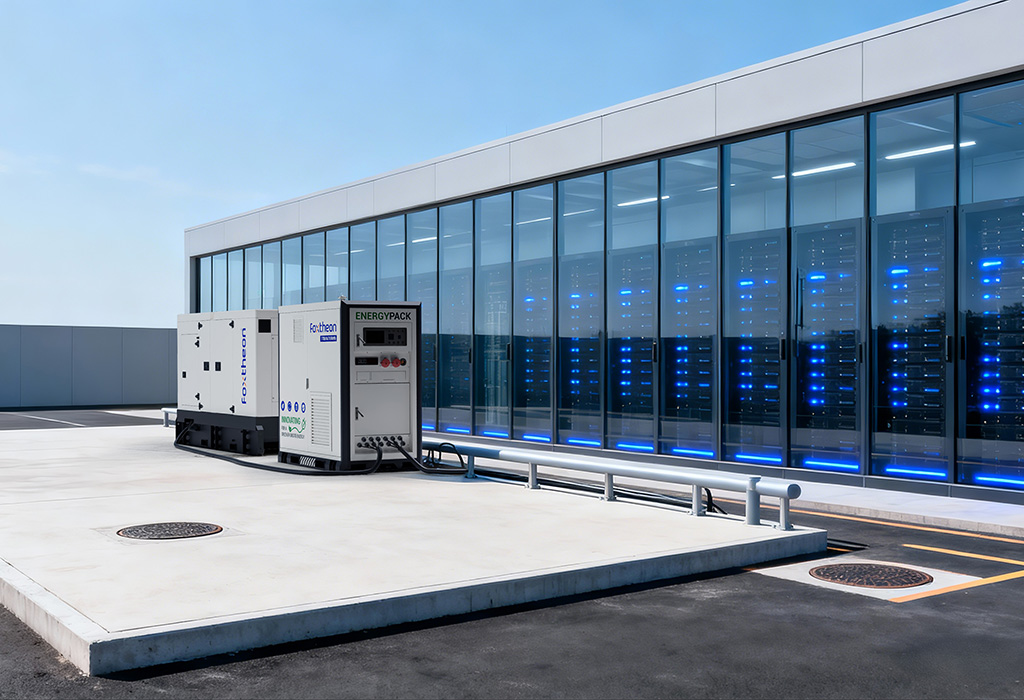
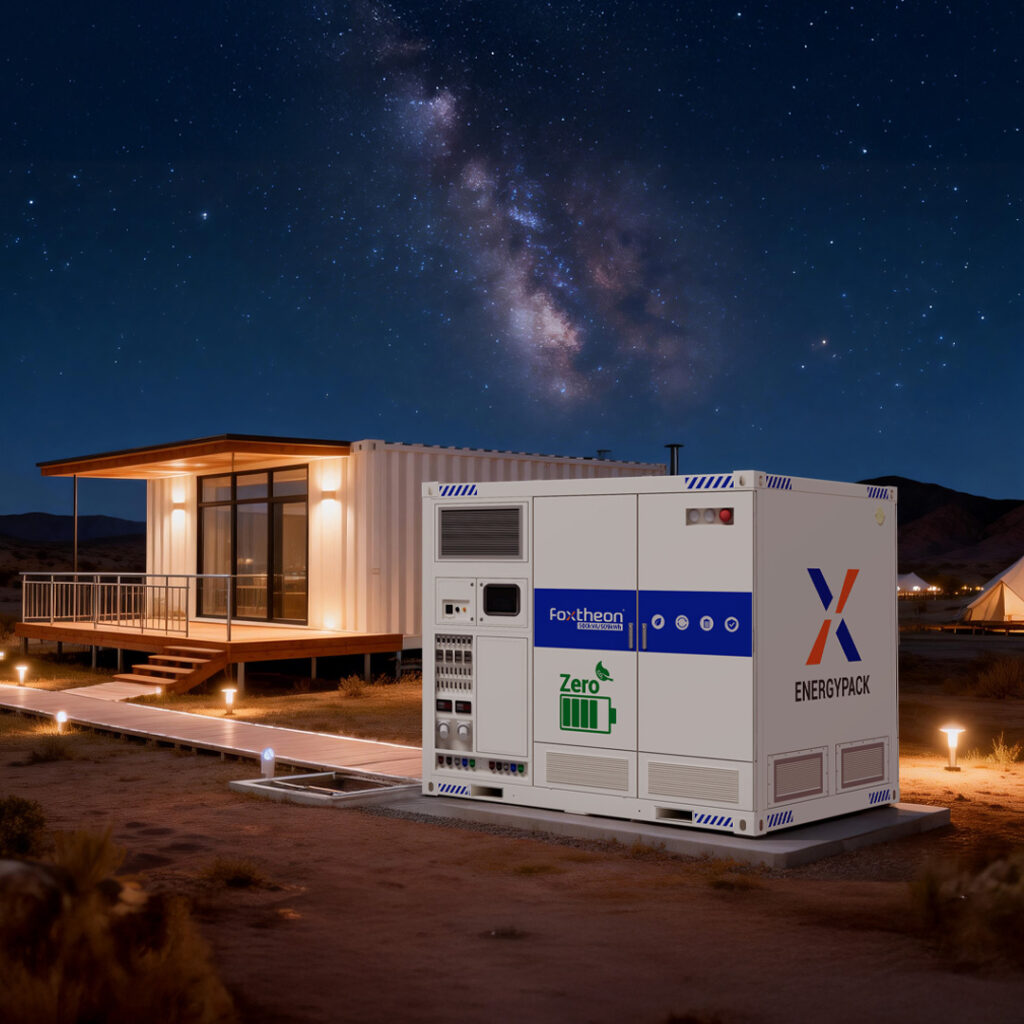
1. IP65 Rating Explained: Beyond Basic Enclosure Protection
The Ingress Protection (IP) code, defined by IEC 60529, classifies the degree of protection provided by electrical enclosures. An IP65 rating consists of two digits:
- 6 – Total dust tightness: No ingress of dust particles; complete protection against contact.
- 5 – Protection against low‑pressure water jets: Water projected by a nozzle (6.3 mm) from any direction shall have no harmful effects.
For energy storage systems deployed outdoors, this rating is not a luxury but a necessity. Dust accumulation on battery terminals can lead to insulation failures and thermal runaway, while moisture ingress accelerates corrosion of busbars and connectors. IP65 outdoor energy storage cabinets undergo rigorous testing to withstand rain, sleet, and dust storms without compromising electrochemical performance. Compared to NEMA 3R or IP54 alternatives, IP65 offers a superior barrier, often eliminating the need for additional weatherproof shelters.
2. Critical Applications Demanding IP65 Outdoor Energy Storage
The demand for IP65 outdoor energy storage spans multiple sectors where equipment cannot be housed indoors. Below are the most demanding use cases:
2.1 Telecom Base Stations & Backhaul Networks
Telecom towers in remote locations rely on battery backup to maintain 99.999% uptime. These sites are often exposed to dust storms (Middle East) or high humidity (tropical regions). IP65 enclosures prevent network outages caused by power supply corrosion.
2.2 Oil & Gas Field Instrumentation
SCADA systems and cathodic protection units in oil fields operate near heavy machinery and saline environments. IP65 storage buffers renewable generation (solar‑assisted) to power telemetry, reducing diesel consumption.
2.3 EV Charging Hubs with Battery Buffering
To avoid demand charges, DC fast chargers increasingly integrate behind‑the‑meter batteries. These cabinets sit curbside, exposed to road salt and tire spray—conditions perfectly addressed by IP65 protection.
2.4 Microgrids for Island Communities
Coastal microgrids face salt fog and high winds. Foxtheon has deployed IP65‑rated storage in such environments, demonstrating cycle stability despite corrosive atmospheres.
3. Persistent Industry Pain Points Solved by High Ingress Protection
Traditional outdoor cabinets without proper sealing suffer from five chronic issues. IP65 directly mitigates each:
- Contamination‑induced tracking: Dust+moisture creates conductive paths across PCBs → short circuits. IP65 eliminates particulate ingress.
- Thermal management degradation: Clogged air filters reduce cooling efficiency. While IP65 often requires non‑vented designs, advanced systems employ liquid cooling or heat exchangers with sealed interfaces.
- Connector corrosion: Water ingress in DC connectors increases resistance and fire risk. IP65 glands and sealed connectors maintain low impedance.
- Wildlife interference: Insects nesting in enclosures can disable fans and breach insulation. Physical sealing deters fauna.
- Maintenance frequency: Open‐air cabinets need quarterly cleaning; IP65 units often extend service intervals to annual inspections, reducing OPEX.
Data from field studies indicate that switching from IP54 to IP65 reduces unscheduled maintenance by 37% in arid regions (source: NREL, 2023).
4. Foxtheon’s Approach to IP65 Outdoor Energy Storage: Engineering Reliability
Foxtheon has engineered its EnergyStack™ series around the principle that the enclosure is an active part of the thermal and safety system. Every IP65 outdoor energy storage unit from Foxtheon integrates:
- Double‑wall sheet metal + powder coating: 1.5 mm zinc‑magnesium steel with anti‑corrosion coating, tested for 1,000 h salt spray (ASTM B117).
- Closed‑cell gasketing: Silicone foam gaskets maintain IP65 even after 10 years of compression set simulation.
- Intelligent pressure equalisation: A breather valve with Gore™ membrane allows pressure equalisation while blocking liquid water (IP6x9k optional).
- Integrated liquid cooling plates: Cells are kept within 2 °C gradient without exposing electronics to outside air—essential for high‑C‑rate applications.
Furthermore, the battery management system (BMS) continuously monitors internal humidity and triggers a pre‑emptive alarm if seal degradation is detected—a predictive maintenance feature unique to Foxtheon’s architecture.
5. Quantitative Benefits: Efficiency, Lifespan, and ROI
Investing in a true IP65 enclosure yields measurable financial returns. Consider a 100 kW / 250 kWh installation in a coastal industrial park:
| Parameter | IP54 (typical) | IP65 outdoor energy storage | Gain |
|---|---|---|---|
| Annual capacity loss due to corrosion | 2.3% | 0.7% | 1.6% less degradation |
| Cooling energy overhead (parasitic) | 8% of throughput | 5% (liquid cooling) | 3% saving |
| Service visits per year | 6 | 2 | 4 fewer |
| Projected system life (years) | 8 | 12 | +50% |
These figures align with internal validation from Foxtheon’s pilot projects, where IP65 cabinets retained 92% of initial capacity after 10 years in a subtropical climate.
6. Integration with Renewable Generation and Smart Grids
Modern IP65 outdoor energy storage is not an island; it communicates. Foxtheon’s units come with native support for Modbus TCP/RTU, CAN 2.0, and IoT dashboards. When paired with solar PV, the system can perform peak shaving, frequency regulation, or islanding seamlessly. The robust enclosure also houses the hybrid inverter and energy management controller, eliminating separate outdoor electrical cabinets and reducing balance‑of‑system costs by up to 15%.
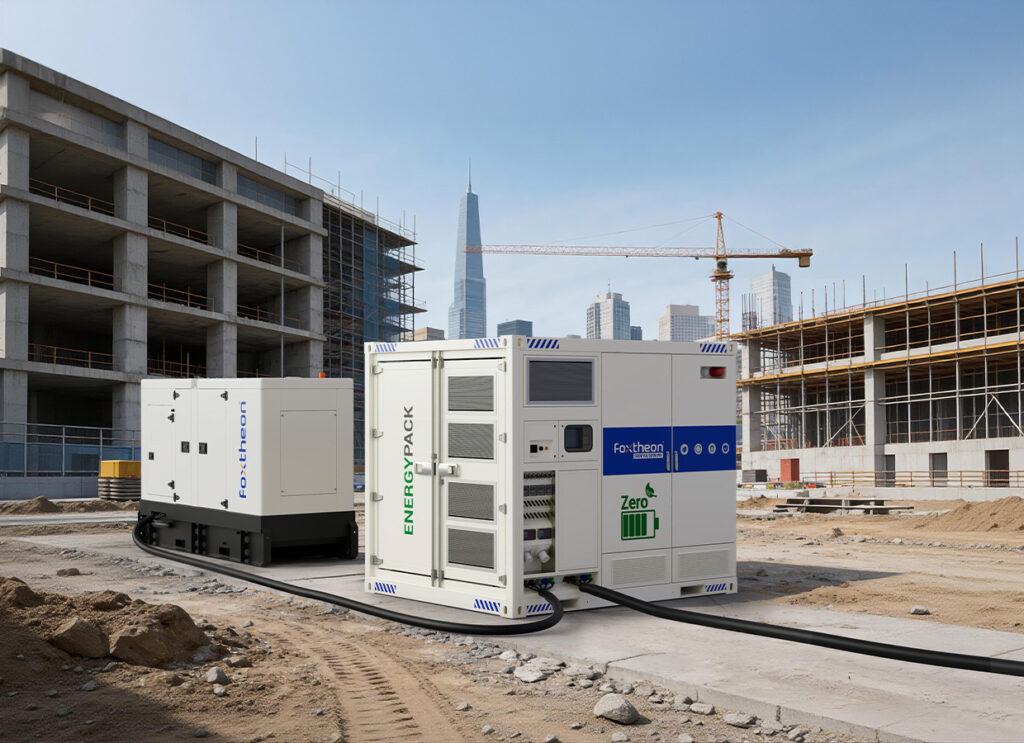
7. Conclusion: Why IP65 Outdoor Energy Storage is Non‑Negotiable for Future‑Proof Infrastructure
As climate volatility increases and grid resiliency becomes a boardroom topic, the physical protection of energy assets directly correlates with return on investment. IP65 outdoor energy storage delivers a clear engineering advantage: extended lifetime, lower operational overhead, and compatibility with the harshest installation environments. Foxtheon continues to push the boundaries of sealed storage through innovation in materials, thermal management, and embedded intelligence. For engineers and specifiers, specifying IP65 today prevents regret tomorrow.
Frequently Asked Questions (FAQ)
Q1: What is the difference between IP65 and IP66 for outdoor battery cabinets?
A1: Both are dust‑tight (first digit 6). IP65 protects against low‑pressure water jets (12.5 L/min) from any direction, while IP66 protects against powerful water jets (100 L/min) and heavy seas. For most stationary outdoor storage not subjected to hose‑down cleaning, IP65 is sufficient. IP66 may be required for coastal areas with wave spray or offshore installations.
Q2: Can IP65 outdoor energy storage operate in sub‑zero temperatures?
A2: Yes, if the system includes appropriate thermal management. Foxtheon’s IP65 units feature self‑heating LiFePO₄ cells or optional pad heaters that activate below 0 °C, ensuring charge acceptance. The IP65 seal prevents frost ingress that could damage electronics during freeze‑thaw cycles.
Q3: How does Foxtheon ensure cyber security in its IP65 outdoor energy storage systems?
A3: All remote communication is encrypted via TLS 1.3, and the BMS incorporates a hardware security module (HSM) for key storage. The enclosure’s physical ports are either sealed (IP65) or equipped with access control, preventing tampering. Firmware updates require cryptographic signatures.
Q4: What is the typical lifespan of an IP65 outdoor energy storage system?
A4: With LiFePO₄ chemistry and proper thermal management, cycle life often exceeds 6,000 cycles at 80% depth of discharge. Calendar life is typically 12–15 years. The IP65 enclosure itself is designed for 20+ years of UV and weather exposure without cracking or loss of seal integrity.
Q5: Does IP65 rating guarantee protection against salt spray?
A5: IP65 alone does not explicitly test salt corrosion, but the combination of dust/water tightness plus external coating (e.g., C5‑M marine grade) does. Foxtheon offers an optional “Marine Coat” variant of its IP65 cabinets that passes 1,440 h salt spray per ISO 9227, suitable for offshore wind or portside applications.
Q6: How does IP65 outdoor energy storage integrate with existing solar arrays?
A6: Most units, including Foxtheon’s, feature DC‑coupled or AC‑coupled inputs. The IP65 enclosure houses charge controllers, inverters, and batteries, connecting to PV arrays via waterproof combiner boxes. This simplifies permitting and reduces installation labour compared to multiple enclosures.
For detailed specifications and project consultation, visit Foxtheon’s official site or explore the IP65 outdoor energy storage product line.