
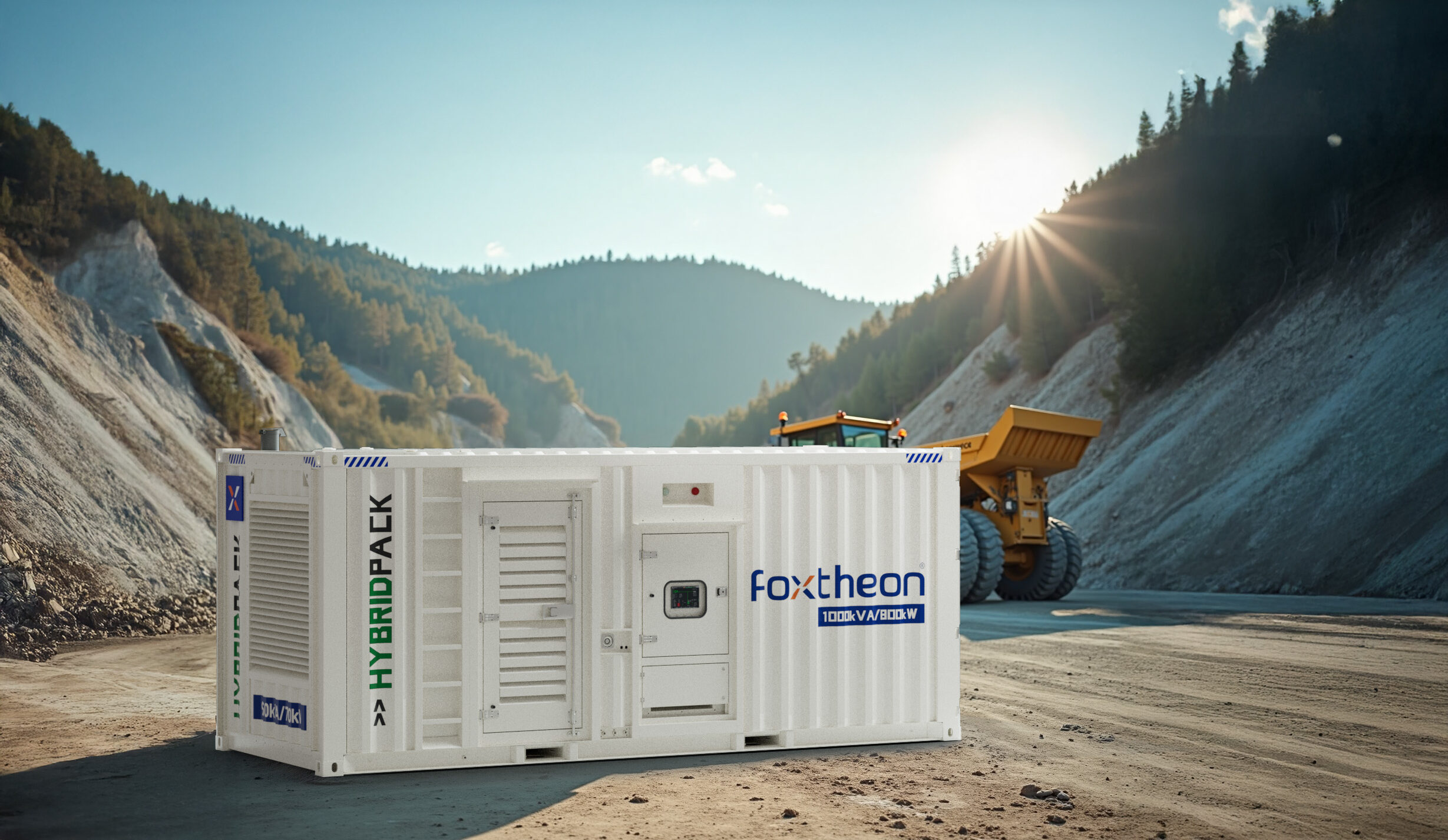
For engineering and procurement teams managing remote telecom towers, mining exploration camps, agricultural irrigation, or island resorts, the specification of off grid energy sources demands rigorous technical scrutiny. Unlike grid-tied systems, island power networks must handle 100% of load variability—from motor starts to sudden cloud cover—while maintaining frequency and voltage within tight tolerances. This article dissects the hardware selection, energy management algorithms, and integration strategies that define reliable standalone power systems. Drawing from field-proven deployments, we also examine how Foxtheon addresses real-world pain points without discarding existing generation assets.
1. Core Building Blocks of Modern Standalone Power Systems
Any robust configuration of off grid energy sources relies on four interdependent layers: primary generation, storage, power conversion, and supervisory control. Below we detail each component’s selection criteria and failure modes.
1.1 Primary Generation: Matching Resource to Load Profile
- Solar PV arrays (poly/ mono/ bifacial): Lowest levelized energy cost in sunbelt regions, but output collapses during overcast weeks. Use bifacial modules on reflective ground (gravel, white membrane) to boost yield by 8–12%.
- Wind turbines (horizontal vs. vertical axis): Appropriate for corridors with average wind speed >5 m/s. Vertical-axis types reduce mechanical stress and bird mortality but exhibit lower tip-speed ratio – better for turbulent sites.
- Small hydro (pelton/ turgo/ crossflow): Highest capacity factor (50–70%) but requires year-round stream flow. Civil works (penstock, intake) represent 60% of capital cost.
- Biomass gasifiers / biogas: Baseload option for agricultural processing sites; needs continuous feedstock logistics and syngas cleaning to prevent engine polymerisation.
Rather than promoting a single technology, professional system integrators evaluate the complementary nature of solar+wind+storage to reduce diesel runtime. The goal is fuel efficiency improvement, not elimination of existing gensets.
1.2 Battery Energy Storage Systems (BESS)
Lithium iron phosphate (LFP) has become the industrial standard for off grid energy sources due to its flat voltage curve, thermal stability, and 6000+ cycle life at 80% DoD. Key parameters engineers must verify:
- C-rate capability: For sites with large induction motors (water pumps, crushers), the BESS must deliver 2C for 10 seconds to handle starting currents without voltage dip.
- Round-trip efficiency: Modern LFP containers achieve 94–96% at 0.5C, but low-temperature heating adds parasitic loss.
- BMS communication protocol: CANbus 2.0 or Modbus TCP; ensure the inverter’s energy management system (EMS) can read individual cell voltages and execute pre-charge routines.
Lead-carbon batteries still appear in retrofit projects where low upfront cost overrides cycle life, but their hydrogen off-gassing forces ventilation requirements that increase OPEX.
1.3 Hybrid Inverters and Grid-Forming Capability
Unlike grid-following units, a grid-forming inverter creates its own voltage and frequency reference, enabling parallel operation with diesel generators. This is mandatory when the renewable penetration exceeds 80% of instantaneous load. Look for:
- Virtual synchronous machine (VSM) control loop with inertia emulation (adjustable droop settings 2–6%).
- Black-start capability – the inverter can energize the site from the battery without external AC source.
- Dynamic load sharing between multiple inverters (active power imbalance <2%).
2. Sector-Specific Pain Points and Technical Countermeasures
Industry buyers often face similar operational bottlenecks when deploying off grid energy sources. Below we map each pain point to a concrete solution architecture.
2.1 Mining Exploration Camps (500–2000 kWh/day)
Pain point: Drilling rigs induce high-frequency load steps (30 kW to 180 kW in 2 seconds). Traditional diesel sets respond with a 1.5–3 sec ramp, causing frequency deviation >5%, which trips sensitive analytical equipment.
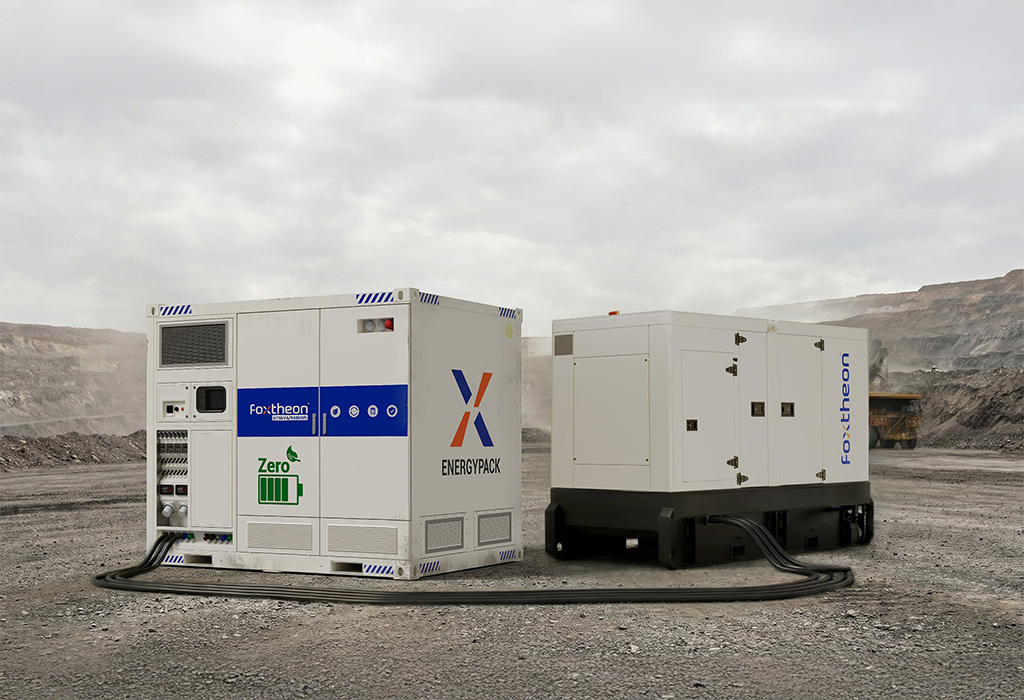
Solution: Deploy a lithium-ion buffer battery (1.5 MWh) between the generator and the load. The generator runs at optimal load (70–85% of rating) while the battery absorbs or supplements transients via a fast-responding DC-DC converter. Foxtheon provides hybrid control cabinets that integrate with any brand of diesel genset, using real-time load prediction (based on drill pipe position sensors) to pre-charge the DC link.
2.2 Telecommunications Towers (Off-Grid and Weak-Grid)
Pain point: 48V DC systems must maintain voltage between -42V and -57V even during prolonged monsoons when solar yield falls below 10% of nominal. Sites often have aged VRLA batteries that suffer from thermal runaway.
Solution: Retrofit a lithium smart hybrid system that displaces 70% of generator runtime by using a smaller, high-cycle battery. The control logic uses a 7-day weather forecast (from local meteorological API) to adjust state-of-charge targets: before 3 cloudy days, it commands the generator to charge the battery to 95% rather than the typical 80% threshold.
2.3 Remote Agricultural Cold Storage
Pain point: Compressor start-up draws 6–8 times nominal running current, forcing the generator to be over-sized (e.g., 150 kVA for a 30 kW compressor). This leads to low-load operation (excess carbon build-up, wet stacking).
Solution: Install a variable frequency drive (VFD) on the compressor plus a 200 kWh BESS. The VFD ramps the motor over 5 seconds, limiting inrush to 150% of nominal. The BESS provides the peak power, allowing the generator to be sized at just 110% of the average load. This configuration reduces fuel consumption by 35–40%.
3. Energy Management Algorithms for Reliable Off-Grid Operation
The intelligence layer separates a fragile experimental setup from a bankable off grid energy sources system. Three control modes dominate industrial deployments:
- Load-following (default): The inverter/charger adjusts renewable curtailment and battery charge/discharge to keep the diesel generator at a single setpoint (e.g., 60 kW). When load exceeds setpoint, battery provides the difference; when load drops, excess charges the battery. This reduces generator runtime by 50–70% compared to floating operation.
- Peak shaving with predictive logic: Machine learning models (lightweight LSTM) predict next-hour load based on historical consumption and calendar. During predicted peaks, the BESS discharges to keep generator load below its fuel-efficiency curve (avoiding inefficient high-power region).
- State-of-Health (SoH) aware dispatch: For sites with mixed battery chemistries (e.g., LFP main bank + lead-carbon secondary), the EMS prioritizes discharging the healthier bank while maintaining equal float voltages.
Field data from mining sites show that hierarchical control reduces unplanned maintenance events by 45% compared to rule-based hysteresis controllers.
4. Integrating Off-Grid Sources with Existing Diesel Assets (A Synergistic Approach)
Many operators worry that adopting renewables will strand their diesel generator fleet. Professional hybridisation treats generators as valuable capacity providers for extended bad-weather periods or maintenance windows. Best practices for co-optimization:
- Diesel set re-engineering: Install automatic cylinder cut-off systems that deactivate pistons when load falls below 25% of rating, improving partial-load efficiency by 18%.
- Generator scheduling with dead bands: The EMS starts the generator only when battery SoC drops below 25% and stops it when SoC reaches 90%, ensuring each run lasts >60 minutes (minimum to reach stable oil temperature).
- Parallel operation with resistive load banks: If a generator must run for a mandatory test (e.g., monthly exercise), the EMS can divert excess renewable power to a small load bank, preventing reverse power flow that could damage the alternator.
Foxtheon offers a non-intrusive add-on controller that communicates via J1939 CAN bus to major genset brands (Caterpillar, Cummins, Perkins). It does not replace any generator component but rather optimizes its running schedule – protecting the client’s capital investment.
5. Remote Monitoring and Predictive Diagnostics
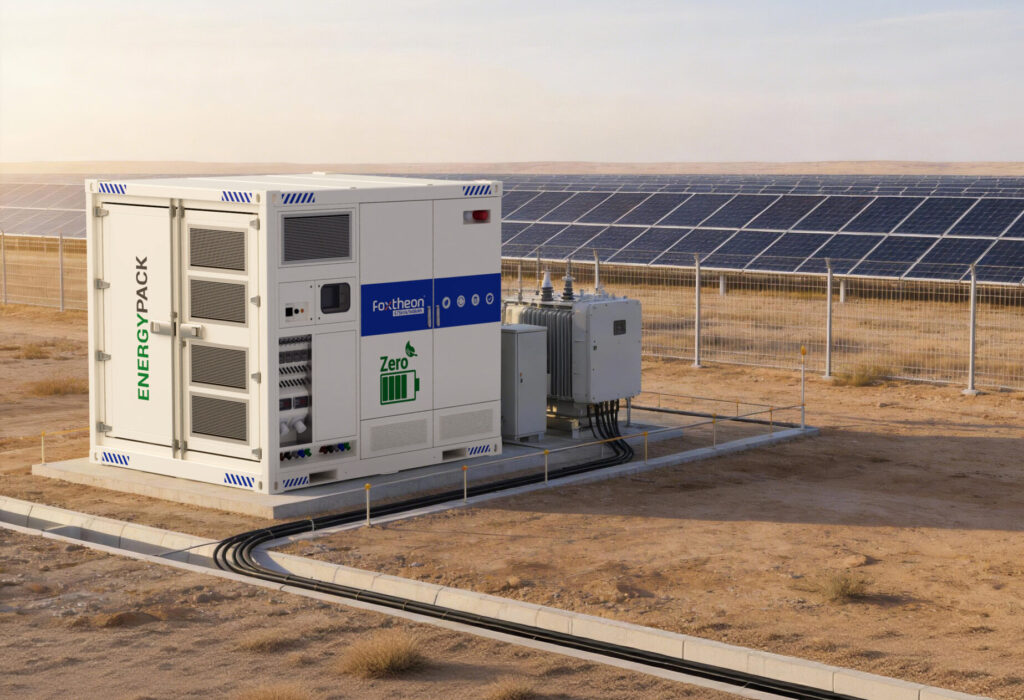
For off-grid sites where a technician visit costs $2000–5000, condition-based monitoring is not optional. Essential features of a professional telemetry system:
- Real-time trending of battery internal resistance (increase >20% over 30 days indicates impending failure).
- Thermal imaging of busbar connections via infrared sensors (detects loose lugs before meltdown).
- Generator crank time and exhaust temperature – deviations from baseline predict starter motor or injector issues.
- Cyber-secure VPN tunnel with role-based access (IEC 62443-3-3 compliant).
When abnormal patterns are detected, the EMS automatically adjusts operating limits (e.g., reduces maximum discharge current) and notifies the central fleet management platform. In one agricultural project, predictive alerts avoided a $180,000 spoilage of perishable goods by signaling a failing inverter fan 10 days before thermal shutdown.
6. Future-Ready Off-Grid Architectures: DC Microgrids and Virtual Inertia
Emerging DC-coupled configurations eliminate multiple AC/DC conversion stages, improving end-to-end efficiency by 7–12%. Here, all off grid energy sources (PV, battery, wind rectifier) feed a common 750–1500V DC bus, with bi-directional DC/DC converters for generator interface. This topology enables:
- Direct DC supply to LED lighting, VFD-driven motors, and EV chargers without additional rectifiers.
- Plug-and-play integration of second-life EV batteries (after BMS reprogramming).
- Reduced cabling losses – for a 1 MW site, moving from 480V AC to 1000V DC cuts copper weight by 37%.
Additionally, advanced inverters now offer software-defined inertia response: by rapidly discharging capacitors, they emulate the kinetic energy of a rotating generator for 200 ms, buying time for the diesel unit to start. This prevents load-shedding on momentary overload events.
7. Decision Framework for Selecting an Off-Grid Energy Partner
When evaluating vendors for a multi-year remote installation, request evidence of the following capabilities:
- Demonstrated experience with ISO 8528-12 compliance for generator-hybrid systems.
- In-house EMS software with customizable state machine logic (not black-box algorithms).
- Global service network with stocked spare parts for inverters and BMS components (lead time <72 hours to major hubs).
- Warranty covering both hardware and energy production guarantees (e.g., minimum renewable fraction).
Foxtheon provides a transparent engineering toolkit – including load profiling tools, PVsyst simulation reports, and on-site acceptance test procedures – enabling clients to validate performance before final commissioning. Our hybrid controllers maintain compatibility with existing generator fleet management systems (e.g., ComAp, DEIF).
Frequently Asked Questions (Technical & Procurement)
Q1: Can off-grid energy sources work reliably in climates with less than 3.0 peak sun hours?
A1: Yes, but the storage-to-generation ratio must increase. For low-irradiance sites (Alaska, Northern Europe), we recommend oversizing the PV array by 40% and using wind or micro-hydro as a secondary source. Additionally, low-temperature LFP cells with integrated self-heating (using excess PV power) maintain charge acceptance down to -20°C. Without heating, usable capacity drops by 50% at 0°C.
Q2: How do you manage harmonic distortion when paralleling inverters with diesel generators?
A2: Use active front-end (AFE) inverters with programmable harmonic compensation. The inverter can inject counter-harmonics up to the 25th order, reducing total harmonic distortion (THD) from 15% to under 5%. A synchronization module measures grid impedance in real-time and adjusts the inverter’s voltage loop accordingly. For sites with sensitive medical or telecom equipment, specify THD <3%.
Q3: What is the typical lifespan of a hybrid off-grid system before major component replacement?
A3: LFP batteries typically deliver 8–12 years (6000 cycles) at 70% remaining capacity. Inverters (electrolytic capacitor wear) have a 10-15 year service life, but fan filters need cleaning every 2 years. Solar modules degrade 0.5%/year. With proactive thermal management (enclosure cooling below 35°C), the entire system can operate 15+ years. Many operators choose a phased battery refresh at year 10, reusing older packs for less critical loads.
Q4: Can we use the same off-grid infrastructure to supply both single-phase and three-phase loads?
A4: Absolutely through a delta-wye isolation transformer after the inverter. However, unbalanced loads (common in camps) cause voltage asymmetry. The solution is a three-phase inverter with independent phase control and a zigzag autotransformer to handle 100% neutral current. Our platform automatically derates per-phase output to prevent any single leg from exceeding 60% of total inverter capacity.
Q5: How is cybersecurity handled for remotely managed off-grid power systems?
A5: We implement a layered approach: (i) encrypted MQTT over TLS 1.3 for data telemetry; (ii) local firewall whitelisting only the central SCADA IP addresses; (iii) hardware security module for digital signatures on firmware updates; (iv) role-based access control with short-lived certificates. All remote sessions are logged and auditable. Never use default passwords or open SSH ports to the public internet – instead deploy a VPN concentrator at the network edge.
Need a technical review of your off-grid site’s load profile and generation mix? Our engineering team at Foxtheon provides a no-obligation hybrid feasibility assessment. We simulate 8760 hours of operation using site-specific solar/wind data and your existing generator logs, delivering a dispatch optimization report within 10 business days. Submit your project inquiry here – include one-line diagrams and 12 months of load data for a priority analysis.