
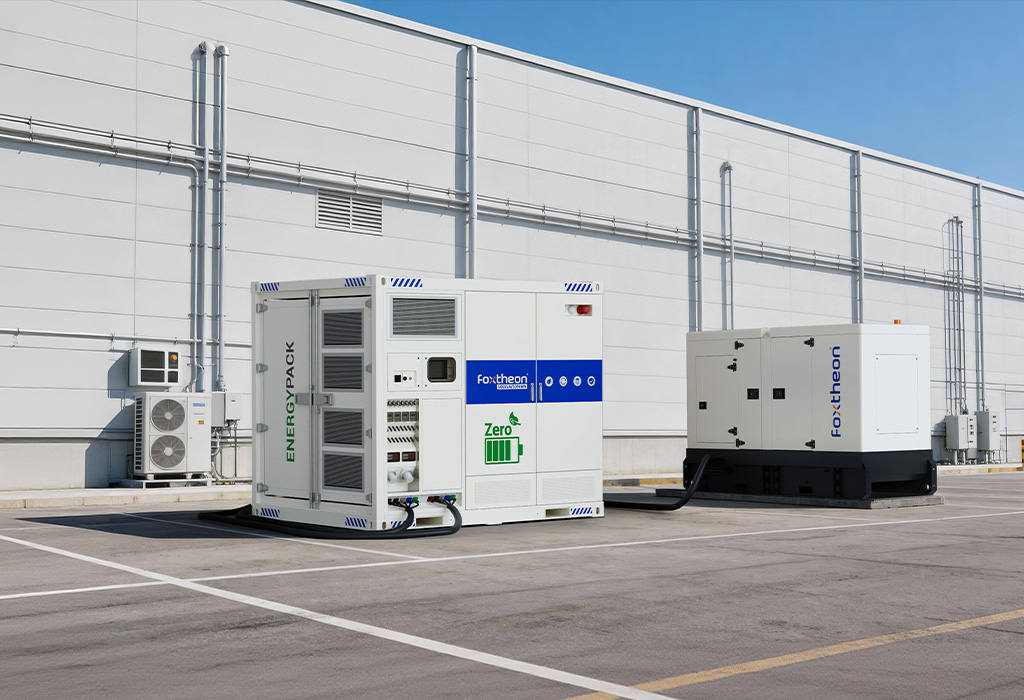
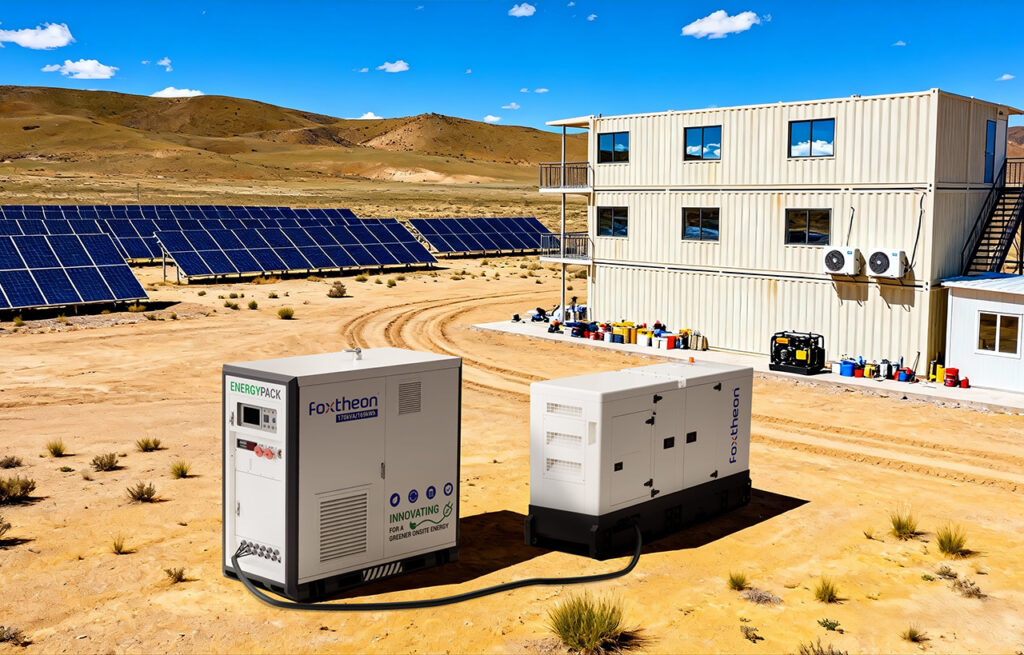
Remote monitoring stations are the silent sentinels of critical infrastructure—they track weather, water levels, seismic activity, pipeline integrity, and wildlife. But their very remoteness makes them vulnerable. Without the grid, they depend entirely on local power generation. Securing reliable power for remote monitoring station operations is the difference between continuous data streams and costly blind spots. Companies like Foxtheon are stepping in with intelligent energy systems designed to withstand harsh environments and deliver uninterrupted electricity. This article walks through the technologies, design considerations, and future trends that keep these stations online.
Understanding the Critical Need for Reliable Power for Remote Monitoring Station
A single power outage at a remote hydrology station can mean missing a flash flood warning. For oil and gas pipelines, a loss of monitoring could lead to undetected leaks. Reliable power for remote monitoring station is not a luxury—it is a core requirement for safety, environmental protection, and operational continuity. Remote sites often lack regular maintenance access, so the power system must be exceptionally dependable and self-sufficient. Solar panels, batteries, and controllers must work in concert, often in extreme cold, heat, or humidity.
The Consequences of Power Failures
When power fails, data stops. In scientific research, this can ruin years of continuous records. In industrial settings, it may trigger alarms, shut down equipment, or violate regulatory reporting. Repair crews may need days to reach a mountain-top station or desert location. Hence, the design must account for worst-case scenarios, including weeks of cloudy weather or blizzards.
Unique Challenges of Remote Locations
Remote sites share common hurdles: lack of grid connection, difficult access, and harsh weather. They may also be subject to theft or vandalism. Power systems must be rugged, tamper-resistant, and require minimal on-site intervention. Transporting heavy batteries or fuel is expensive, so energy density and longevity become paramount.
Key Technologies for Reliable Power at Remote Monitoring Stations
No single technology fits every site. The optimal mix depends on solar resource, wind potential, load size, and budget. Below we examine the primary building blocks used today to deliver reliable power for remote monitoring station deployments.
Solar Photovoltaic Systems
Solar is the most common choice for remote monitoring. Panels convert sunlight into DC power, charging batteries during the day. Modern panels are efficient and durable, with lifespans exceeding 25 years. For low-power sensors, a small panel and battery can suffice. For larger loads like satellite transmitters, multiple panels are needed. Foxtheon offers modular solar kits with pre-wired controllers, simplifying installation in remote areas.
Wind Turbines
In windy regions—coastal areas, mountain passes, or plains—small wind turbines complement solar. They can generate power at night and during cloudy periods. Hybrid solar-wind systems often achieve higher reliability with smaller battery banks. Turbines require annual inspections and may be affected by icing, but modern designs include passive braking for high winds.
Battery Energy Storage
Batteries store energy for nighttime and cloudy days. Lithium-ion has largely replaced lead-acid in new installations due to deeper discharge cycles, lighter weight, and longer life. For extremely cold sites, batteries may need insulation or heating pads. Foxtheon‘s battery cabinets include integrated thermal management, ensuring optimal performance from -30°C to +50°C.
Hybrid Renewable Systems
Combining solar, wind, and sometimes a small backup generator creates a resilient hybrid. Intelligent controllers prioritize renewables, only engaging the generator when batteries run low. This reduces fuel hauling and maintenance. Hybrid systems can achieve 99.9% uptime even in challenging climates.
Fuel Cells as a Clean Alternative
For sites where solar and wind are insufficient—like dense forests or high latitudes—hydrogen fuel cells offer long-duration backup. They run on stored hydrogen and produce only water. Fuel cells are silent and have few moving parts, ideal for environmentally sensitive areas. Costs are dropping as hydrogen infrastructure grows.
Backup Generators
Propane or diesel generators remain a fallback for extreme conditions. They provide unlimited runtime as long as fuel lasts. However, they require periodic refueling and maintenance. Modern controllers can run generators only when needed, extending intervals between service visits.
Factors to Consider When Designing a Power System for Remote Monitoring
Engineers must balance multiple variables to ensure reliable power for remote monitoring station over years of unattended operation. Here are the primary considerations:
- Site assessment: Solar insolation, wind speed, temperature range, and shading from trees or terrain.
- Load analysis: Average daily watt-hours, peak power, and any seasonal variations (e.g., heaters in winter).
- Autonomy required: How many days of backup without sun or wind? This determines battery capacity.
- Remote management: Systems should report status, alarms, and performance data via cellular or satellite.
- Security: Enclosures must resist wildlife, vandalism, and weather. Lockable, ventilated cabinets are standard.
- Regulatory compliance: Some areas restrict generator use or require environmental permits.
Foxtheon provides site survey tools and simulation software that models energy flows over decades, helping operators select the right components.
The Role of Intelligent Energy Management
Hardware alone isn’t enough. Intelligent controllers optimize charging, monitor battery health, and enable remote diagnostics. They can switch between power sources seamlessly, extend battery life by avoiding overcharge or deep discharge, and send alerts before failures occur. Foxtheon’s energy management platform aggregates data from hundreds of stations, allowing operators to spot trends and schedule maintenance proactively. For example, a gradual decline in solar output might indicate dirty panels, prompting a cleaning crew visit.
Future Trends: Towards Self-Sustaining Monitoring Stations
The next generation of remote monitoring power will leverage artificial intelligence and advanced storage. AI algorithms can learn site-specific weather patterns and adjust energy usage accordingly—for instance, pre-heating batteries before a cold front. Solid-state batteries promise even higher safety and energy density. Additionally, some stations may participate in peer-to-peer energy sharing if multiple units are clustered. Foxtheon is already testing machine learning controllers that reduce battery cycling and predict component end-of-life with remarkable accuracy.
Frequently Asked Questions
Securing reliable power for remote monitoring station is both an engineering challenge and a strategic investment. Whether you are monitoring a volcano, a pipeline, or a climate station, the right power solution ensures your data flows without interruption. As technology advances, systems become smarter, more efficient, and easier to manage from afar. Providers like Foxtheon are at the forefront, delivering rugged, intelligent energy platforms that adapt to the harshest environments. By combining proven renewable technologies with cutting-edge controls, you can achieve the uptime your operations demand.