
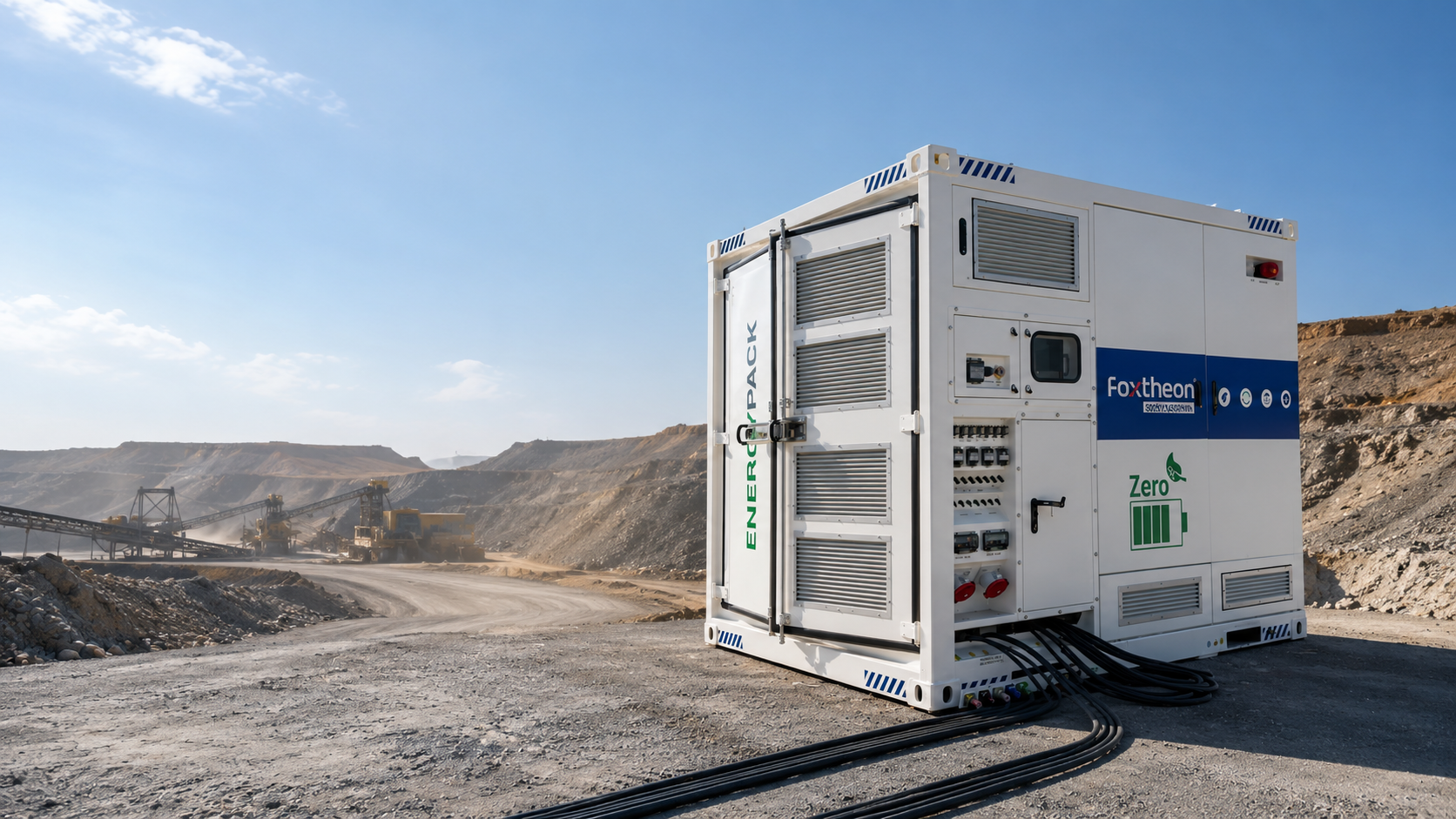
Modern commercial and industrial facilities operate under demanding energy conditions. The transition toward localized power networks requires robust infrastructure capable of resolving load imbalances, managing peak demand charges, and maintaining continuous operation during grid instability. Within this context, the centralized plant model is increasingly supplemented by distributed resources that integrate generation, conversion, and storage into a single operational unit.
Historically, constructing a functional commercial storage facility involved sourcing separate components: battery racks, power conversion systems (PCS), thermal management systems, fire suppression equipment, and energy management software (EMS). This multi-vendor approach introduced significant engineering complexity, prolonged commissioning times, and created integration vulnerabilities. The development of the all in one energy storage system represents a shift toward factory-integrated, pre-engineered assemblies that simplify physical deployment while optimizing electrical performance.
By housing all necessary subsystems within a single, standardized enclosure, these systems minimize field wiring errors and establish a unified control protocol. In hybrid microgrids, they work in tandem with existing reciprocating internal combustion engines, smoothing out transient load spikes and allowing generators to run at their peak efficiency points rather than wasting fuel on low-load standby operations. This operational synergy enhances system longevity across all assets on the local network.
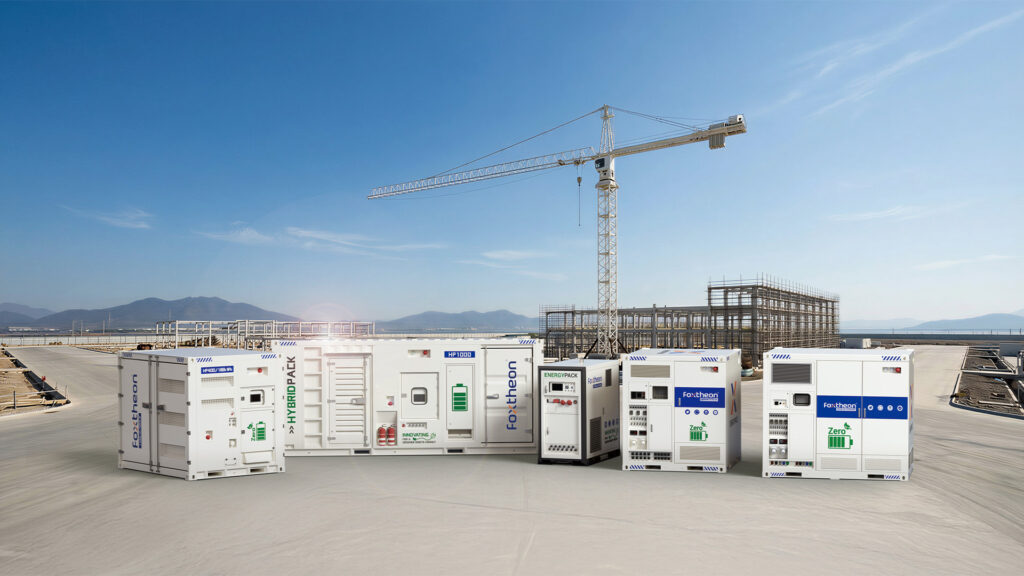
System Architecture and Subsystem Integration
A reliable all in one energy storage system relies on the precise synchronization of four primary subsystems: the battery array, the Power Conversion System (PCS), the Battery Management System (BMS), and the Energy Management System (EMS). Each component must be engineered to operate within strict thermal and electrical parameters to prevent premature degradation and ensure safe, continuous operation.
Battery Chemistry and Cell-Level Design
Lithium Iron Phosphate (LiFePO4 or LFP) remains the industry standard for commercial stationary storage due to its inherent thermal stability, structural integrity, and long cycle life. LFP chemistry exhibits a nominal cell voltage of 3.2V and operates safely across a broad thermal window. Unlike nickel-manganese-cobalt (NMC) formulations, LFP cells are far less prone to thermal runaway under structural damage or electrical abuse, making them ideal for high-density configurations.
When evaluating the battery subsystem, several engineering factors dictate performance:
- Depth of Discharge (DoD): High-quality LFP cells are typically rated for 80% to 90% DoD, allowing operators to utilize the majority of the nominal capacity without causing rapid structural wear to the cathode.
- Cycle Life: Industrial-grade units should deliver between 5,000 and 8,000 cycles at 0.5C/0.5C charge-discharge rates before capacity degrades to 80% of its original rating.
- C-Rate Capability: The system must support continuous and peak C-rates appropriate for the application—such as 0.5C for long-duration load shifting or 1C/2C for fast-response peak shaving.
Power Conversion and Grid Synchronization
The PCS acts as the bidirectional bridge between the DC battery bank and the AC utility grid or local bus. Modern systems utilize multi-level inverter topologies (such as Neutral Point Clamped or Active NPC designs) to reduce total harmonic distortion (THD) and improve conversion efficiency, often exceeding 98%. The PCS must support multiple operating modes, including grid-tied grid-following mode, off-grid grid-forming mode, and seamless transitions between the two during grid outages.
To implement these transitions safely, manufacturers like Foxtheon integrate high-speed static transfer switches (STS) that isolate the local microgrid from the utility grid in under 20 milliseconds, preventing voltage dips that could disrupt sensitive commercial loads. Galvanic isolation, either via an integrated high-frequency transformer or an external low-frequency transformer, is also utilized to protect the DC bus from AC-side transients and fault currents.
Unified Thermal Management Systems
Thermal regulation directly influences both safety and capacity retention. Large-scale installations generally utilize one of two cooling topologies:
- Forced Air Cooling: Best suited for moderate climates and lower C-rate applications. Air channels are designed to maintain cell-to-cell temperature differentials below 5°C.
- Liquid Cooling: Liquid-cooling designs use a mixture of water and ethylene glycol circulated through cooling plates in direct contact with the cells. This method offers superior heat transfer coefficients, maintaining cell temperature variance within 3°C, which significantly slows down localized cell aging.
Enclosure Materials and Environmental Durability
The structural integrity of an outdoor-rated all in one energy storage system is the first line of defense against harsh environmental conditions. Enclosures are subjected to extreme solar radiation, high humidity, salt spray in coastal regions, and seismic forces. Consequently, the selection of materials and coating technologies is a priority during engineering design.
Industrial enclosures are typically fabricated from high-tensile structural steel or marine-grade aluminum alloys. The physical shell must meet demanding standards:
- Galvanized Steel Sheets: Hot-dip galvanized steel (e.g., DX51D+Z or equivalent) provides robust structural strength and resistance to physical impacts.
- Corrosion Resistance Ratings: Coating systems must comply with ISO 12944 standards. For harsh industrial or coastal environments, a C4 High or C5 Marine-grade powder coating is required to prevent rust propagation.
- Ingress Protection (IP) Ratings: Outdoor systems require an IP54 or IP55 rating to prevent the ingress of dust and wind-driven rain, while specialized configurations may require IP65 or higher for highly dusty or wet environments.
- Thermal Insulation: Double-walled construction with non-combustible mineral wool or polyurethane insulation cores helps decouple the internal battery environment from ambient temperature extremes, reducing the parasitic load of the HVAC system.
Advanced structural engineering also incorporates passive pressure relief vents. In the highly unlikely event of cell outgassing, these vents open at specific pressure thresholds to exhaust accumulated gases safely, preventing pressure buildup inside the cabinet and ensuring the physical integrity of the enclosure remains intact.
Addressing Operational Pain Points in Commercial Microgrids
Commercial facilities face distinct operational challenges, ranging from high peak demand charges imposed by utilities to poor power quality characterized by voltage sags and power factor deviation. Deploying a comprehensive energy storage asset helps mitigate these issues without requiring extensive redesigns of existing infrastructure.
Peak shaving algorithms implemented within the EMS monitor the facility’s main utility meter in real-time. When the load exceeds a predefined threshold, the all in one energy storage system discharges rapidly to absorb the peak demand. This process reduces the maximum demand charge on the utility bill. Additionally, the system provides reactive power compensation, correcting the power factor of inductive loads such as heavy electric motors and HVAC compressors, which helps facility managers avoid utility penalties.
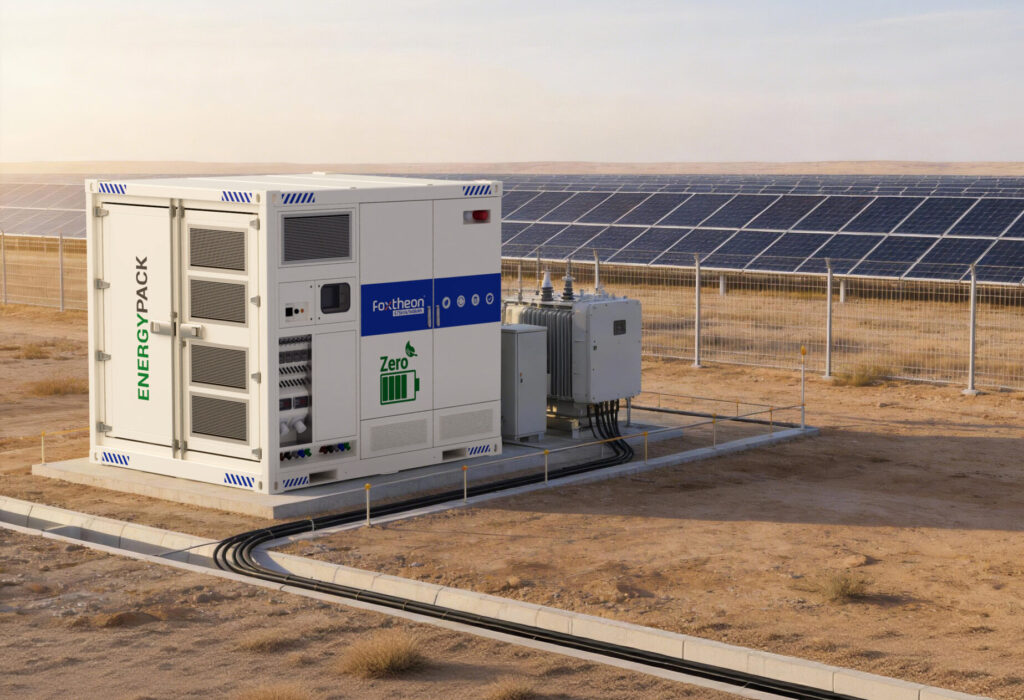
Furthermore, integrating storage into microgrids containing solar photovoltaics (PV) solves the issue of intermittency. When solar generation spikes during midday, the excess energy is stored rather than curtailed or exported at low feed-in tariffs. During cloud cover or late afternoon periods, the stored energy is discharged to maintain a flat, predictable load profile at the utility connection point. The control layer designed by Foxtheon employs predictive algorithms that analyze weather patterns and historical load data to optimize charge and discharge cycles, maximizing the utility of the solar-storage hybrid network.
Strategic Sourcing and Technical Supplier Criteria
Procuring utility-scale or commercial-scale energy storage assets involves careful technical due diligence. B2B buyers must look beyond nominal capacity (kWh) and initial pricing to evaluate the complete engineering capability, certifications, and support structure of the manufacturing partner.
First, compliance with international safety and performance standards is mandatory. Procurement teams should verify that prospective systems carry the following certifications:
- UL 9540: Standard for Energy Storage Systems and Equipment, which evaluates the safety of the entire integrated system, including the PCS, BMS, and enclosure.
- UL 9540A: Test Method for Evaluating Thermal Runaway Fire Propagation in Battery Energy Storage Systems, demonstrating that any thermal event remains localized and does not cascade.
- IEC 62619: Safety requirements for secondary lithium cells and batteries for use in industrial applications.
- IEEE 1547 / G99: Standards governing grid interconnection parameters, active/reactive power controls, and low-voltage ride-through capabilities.
Second, the supplier’s engineering support must extend from pre-design simulation to post-commissioning maintenance. System sizing requires detailed load profile analysis to determine the optimal power-to-energy ratio. By partnering with specialized suppliers such as Foxtheon, commercial enterprises can ensure that the system configuration matches their specific load dynamics, environmental challenges, and local grid codes. Long-term warranty terms should also be scrutinized, ensuring they cover cycle throughput and capacity retention under realistic operating temperatures.
Evaluating an industrial all in one energy storage system requires a holistic approach that balances chemical stability, power electronics efficiency, robust structural materials, and intelligent software integration. When selected and integrated properly, these systems form the backbone of resilient, modern commercial power networks.
Frequently Asked Questions
Q1: What is the primary difference between a modular energy storage system and an all-in-one system?
A1: A modular energy storage system consists of separate components (batteries, inverter, EMS, thermal management) sourced individually and assembled on-site, requiring extensive engineering and field integration. An all-in-one system integrates all these components into a single, factory-tested enclosure, minimizing field installation time, reducing wiring errors, and ensuring optimal subsystem compatibility out of the box.
Q2: Why is LiFePO4 preferred over NMC chemistry in commercial energy storage systems?
A2: LiFePO4 (LFP) is preferred due to its superior safety profile and longer service life. LFP has a higher thermal runaway threshold and does not release oxygen during thermal events, significantly reducing fire risks. Additionally, LFP typically offers 5,000 to 8,000 cycles at standard depths of discharge, whereas NMC chemistry generally yields fewer cycles before degradation.
Q3: How does the thermal management system affect the lifespan of the batteries?
A3: Lithium-ion batteries are highly sensitive to temperature variations. Operating cells above their optimal thermal range accelerates chemical degradation and capacity loss, while excessive cell-to-cell temperature differentials cause uneven aging across the battery string. A robust thermal management system, particularly liquid cooling, keeps temperatures uniform and within the ideal range, maximizing the system’s operational lifespan.
Q4: What certifications should a B2B buyer look for when sourcing an all-in-one system?
A4: Buyers should prioritize systems certified to UL 9540 (system safety), UL 9540A (thermal runaway propagation testing), and IEC 62619 (industrial battery safety). For utility connection and grid interaction, compliance with IEEE 1547, UL 1741 SB, or local equivalents (like G99 in the UK) is required to ensure legal and safe interconnection.
Q5: Can an all-in-one storage system operate alongside existing diesel or gas generators?
A5: Yes. These systems are designed to integrate seamlessly into hybrid microgrids alongside existing generator assets. The EMS coordinates power output, allowing the storage system to handle rapid load fluctuations and transient spikes. This prevents generators from running under-loaded or cycling on and off frequently, which improves fuel efficiency and reduces wear on the generator fleet.
Request a Technical Consultation
Aligning an energy storage solution with your facility’s specific electrical demands, environmental conditions, and utility requirements requires dedicated engineering expertise. Contact our technical sales team to receive a detailed system simulation and configuration proposal for your next project.