
Modern industrial and commercial facilities face growing demands for reliable, high-quality power. As grid networks adapt to volatile input sources and heavy manufacturing processes run sophisticated, sensitive equipment, traditional single-chemistry storage options often reveal operational limits. To address these challenges, the deployment of a hybrid energy storage system has emerged as a practical engineering approach. By combining multiple storage media with distinct performance characteristics, these systems provide a balanced response to both rapid transient power demands and long-duration energy backup needs.
Integrating diverse energy storage technologies requires a thorough understanding of system architecture, material composition, and the control mechanisms that govern power distribution. This analysis examines the technical framework of hybrid systems, key material requirements, industrial application scenarios, and procurement guidelines for engineering managers seeking to optimize their power infrastructure.
The Structural Architecture of a Hybrid Energy Storage System
A functional hybrid energy storage system relies on the complementary operation of two primary storage categories: high-energy density components and high-power density components. High-energy components, such as lithium-iron phosphate (LiFePO4) or flow batteries, manage steady-state energy demands over extended periods. High-power components, including supercapacitors or lithium titanate (LTO) batteries, respond to rapid, transient load changes within milliseconds.
The integration of these storage media is governed by three primary sub-systems:
- The Power Conversion System (PCS): The PCS utilizes bi-directional inverters to manage the AC/DC rectification and DC/AC inversion processes. In a hybrid setup, the PCS must handle multiple DC inputs with varying voltage profiles, requiring advanced multi-port topologies or dedicated DC-DC converters for each storage branch to prevent cross-charging and maintain system efficiency.
- The Battery Management System (BMS): Each storage chemistry operates under its own BMS. The individual units monitor cell-level metrics such as state of charge (SoC), state of health (SoH), voltage, and temperature. These individual systems transmit real-time telemetry to a master controller, ensuring safety limits are never breached during rapid charge/discharge cycles.
- The Energy Management System (EMS): The EMS serves as the overarching intelligence of the system. Operating on advanced predictive control algorithms, the EMS dynamically allocates load demands. When a high-amplitude, short-duration transient load occurs, the EMS routes the demand to the high-power component, preserving the cycle life of the primary high-energy battery bank.
By decoupling the response to peak power demands from baseline energy delivery, a hybrid energy storage system mitigates the thermal stress typically imposed on single-technology battery installations. This operational division directly contributes to extended system longevity and steady thermal performance under variable load profiles.
Material Science and Cabinet Engineering in Modern HESS
The physical durability and operational efficiency of an energy storage installation depend heavily on its material selection and structural enclosure engineering. Industrial environments subject outdoor enclosures to corrosive atmospheres, dust, moisture, and extreme temperature fluctuations. Consequently, the mechanical and thermal design of the cabinet is as critical as the internal electrochemical components.
Enclosure Materials and Corrosion Resistance
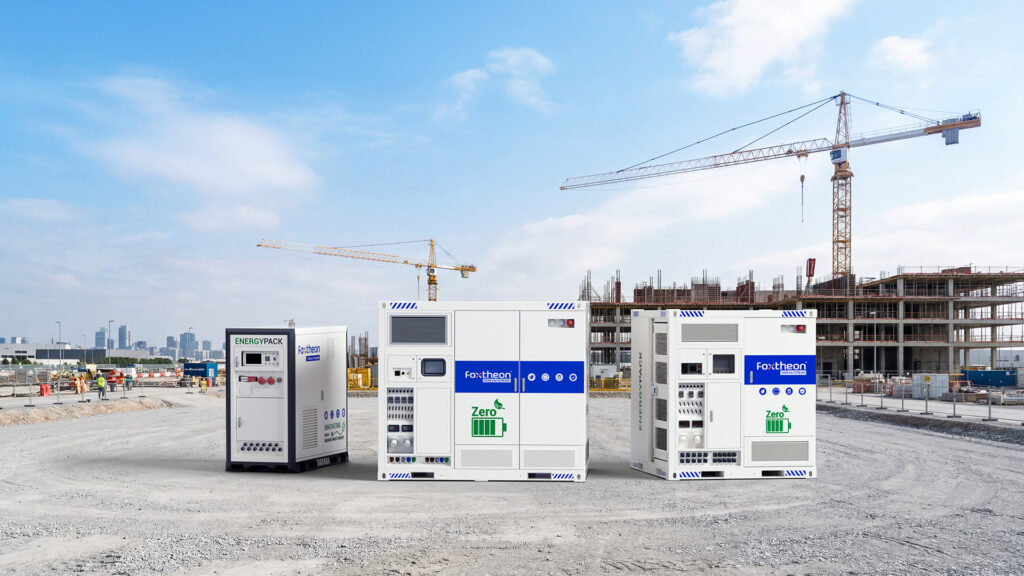
Heavy-duty outdoor storage cabinets are typically constructed from high-tensile steel plates, such as hot-dip galvanized steel (SGCC) or cold-rolled carbon steel (SPCC), ranging from 1.5mm to 3.0mm in thickness. To ensure long-term integrity in coastal or industrial settings, these panels undergo multi-stage powder coating processes, achieving C4 or C5 corrosion resistance ratings under ISO 12944 standards. This preventive structural design prevents rust and structural degradation over decades of service.
Thermal Management and Insulation
Maintaining stable operating temperatures is crucial for preventing thermal runaway and maximizing battery life. Standard systems utilize double-wall cabinet designs filled with high-density polyurethane foam or rock wool insulation panels. These materials minimize heat transfer from solar radiation during summer and retain heat during sub-zero winter conditions. For heat dissipation, modern systems incorporate liquid cooling plates or dual-circuit HVAC systems. Liquid cooling, using a water-glycol mixture flowing through aluminum cooling plates, provides uniform temperature distribution across cells, keeping temperature differentials within a tight ±2°C margin.
Ingress Protection and Safety Seals
To shield internal electrical connections and sensitive control circuitry from environmental contaminants, cabinet enclosures are engineered to meet IP54 or IP55 ingress protection standards. Neoprene or EPDM rubber gaskets seal all access doors and cable entry glands. Furthermore, specialized explosion-venting panels are integrated into the roof structure. In the unlikely event of an internal gas buildup, these panels release pressure upward, protecting the surrounding equipment and personnel.
Primary Application Scenarios across Industrial Sectors
The operational versatility of a hybrid energy storage system makes it applicable to a wide variety of commercial and industrial settings. Different industries utilize the system’s dual capability for rapid response and long-term energy storage to solve specific operational challenges.
Microgrid Support and Industrial Operations
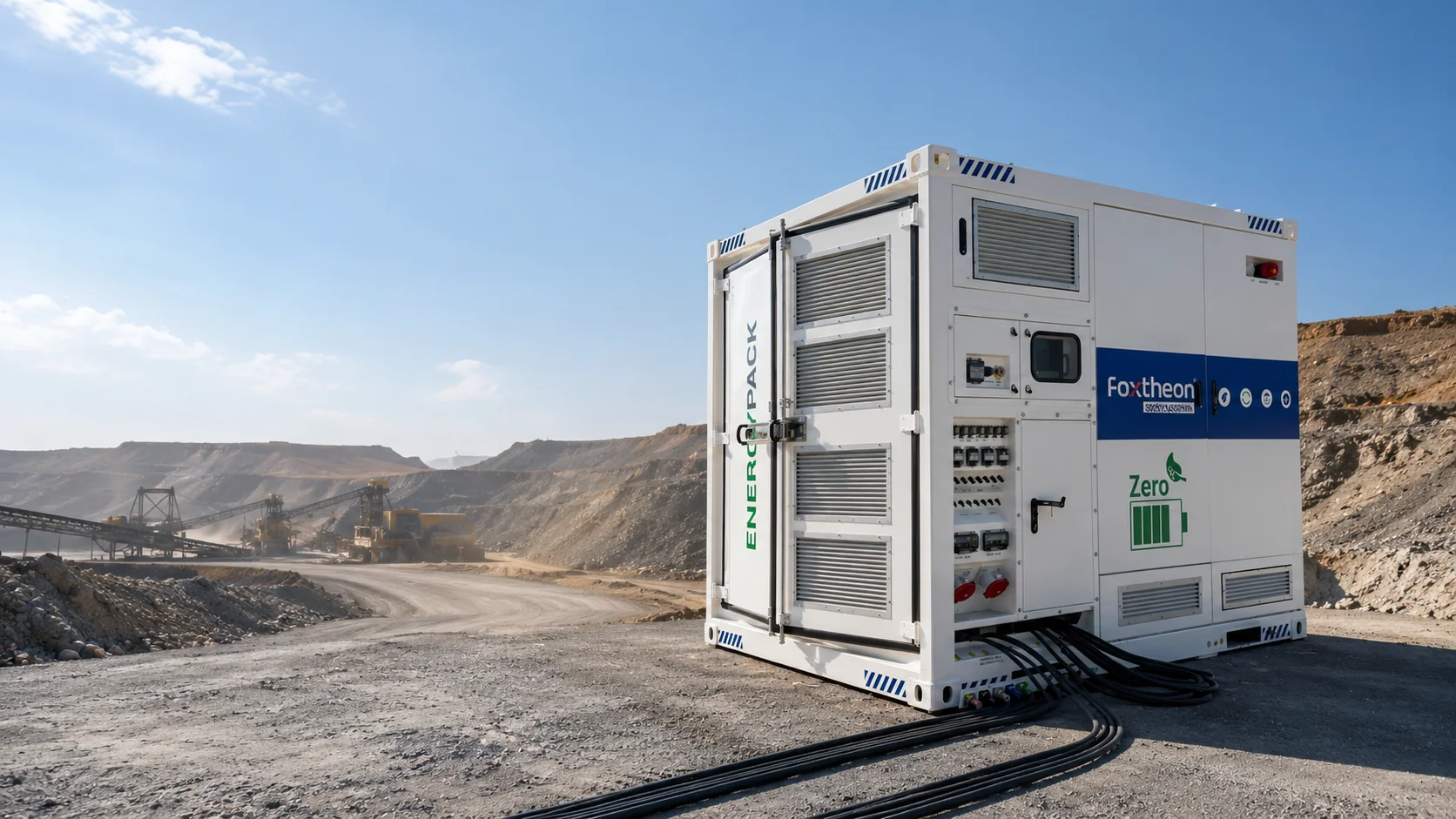
In remote industrial facilities, mining operations, or agricultural zones, establishing a stable microgrid is necessary for continuous production. These environments often run heavy machinery, such as conveyor belts or crushing plants, which generate high starting currents. A hybrid system manages these brief, high-current spikes without causing voltage instability across the localized network. Manufacturers such as Foxtheon develop integrated energy solutions designed to interface with existing localized generation assets, helping operators manage load profiles more effectively without subjecting pre-existing equipment to high-frequency wear.
Smoothing Volatile Renewable Energy Integration
As commercial facilities install on-site solar photovoltaic (PV) arrays and wind turbines, they must manage the intermittent nature of these energy sources. Rapid cloud cover can cause sudden drops in solar output, while wind speeds can fluctuate unexpectedly. The high-power components of a hybrid system step in instantly to smooth out these high-frequency generation sags, while the primary battery bank stores surplus energy for use during non-productive hours.
High-Capacity Industrial Peak Shaving
Manufacturing facilities with highly variable load profiles often face high demand charges from utility providers. By utilizing predictive load-following algorithms, the hybrid system discharges energy during peak demand periods, effectively flattening the facility’s load curve. This peak-shaving process reduces strain on the local utility transformer and prevents the voltage dips often associated with sudden, heavy industrial starts.
Resolving Commercial Power Quality and Reliability Challenges
Power quality issues, such as voltage sags, swells, transients, and harmonic distortions, present ongoing challenges for high-precision manufacturing facilities. Modern semiconductor production, automated assembly lines, and data processing centers require continuous power with tight voltage and frequency tolerances. Even brief voltage disruptions lasting only a few milliseconds can trigger automated system shutdowns, leading to significant unscheduled downtime.
A hybrid energy storage system acts as an active power filter and uninterruptible power supply (UPS). The fast-acting supercapacitor or LTO battery bank responds within 2 to 5 milliseconds to inject active power during a voltage sag, maintaining the voltage envelope required by sensitive electronic equipment. Concurrently, the system’s active inverter systems can perform reactive power compensation (VAR support), correcting power factors and mitigating harmonic distortions generated by non-linear industrial loads.
By buffering the internal distribution network from external grid anomalies, the hybrid system ensures that high-precision processes run uninterrupted. This active conditioning capability reduces wear on electrical switchgear and minimizes maintenance overheads across the entire plant distribution network.
Sourcing and Selecting a Qualified HESS Supplier
Procuring a utility-grade energy storage solution requires rigorous technical evaluation of prospective manufacturing partners. Because these installations are long-term capital investments, sourcing managers must look beyond basic capacity ratings and assess the engineering capabilities of the supplier.
When evaluating partners like Foxtheon, procurement teams should prioritize the following criteria:
- System Integration and OEM/ODM Capability: A standard off-the-shelf battery container rarely fits the precise electrical and thermal profiles of a complex industrial facility. Suppliers must demonstrate the engineering capability to customize container configurations, integrate specific PCS brands, and adapt control protocols to match existing facility SCADA systems.
- Compliance with International Standards: Ensure the supplier’s equipment is certified under relevant global standards, including UL 9540 (for energy storage systems and equipment), UL 1973 (for batteries in stationary applications), IEC 62619 (safety requirements for secondary lithium cells), and UN 38.3 (transportation testing).
- Advanced Thermal Control Validation: Ask for factory thermal testing data and simulations. The supplier should provide proof of computational fluid dynamics (CFD) analysis demonstrating that cell-to-cell temperature variations remain within safe limits under continuous rated load.
- Comprehensive Safety Systems: The system should feature multi-level fire suppression mechanisms, including early-stage gas detection (off-gas detection), localized aerosol or clean-agent fire suppression (such as Novec 1230), and dry-pipe sprinkler integration.
Working with a manufacturer that controls the engineering and assembly process ensures that the finished hybrid energy storage system integrates smoothly with existing facility infrastructure and performs reliably over its intended service life.
Frequently Asked Questions
Q1: What are the main advantages of a hybrid energy storage system over a standard single-chemistry lithium-ion battery system?
A1: A hybrid system combines high-energy and high-power storage media. This design allows the system to manage both continuous baseline loads and rapid high-current spikes without overstressing the primary battery bank. This division of labor reduces thermal stress, optimizes response times, and extends the overall operational lifespan of the installation.
Q2: How does the EMS decide when to use the high-power component versus the high-energy component?
A2: The Energy Management System (EMS) monitors the rate of change in power demand (frequency and amplitude). High-frequency, high-amplitude transient loads are routed to the fast-responding high-power components (such as supercapacitors). Slower, sustained energy demands are handled by the high-energy batteries (such as LiFePO4 cells), optimized by localized control loops.
Q3: What maintenance protocols are required for a utility-grade outdoor HESS cabinet?
A3: Standard maintenance involves semi-annual inspections of the HVAC or liquid cooling fluid levels, checking the integrity of the door seals and gaskets, cleaning air intake filters, and performing torque checks on high-voltage terminal connections. Regular diagnostic scans of the BMS and EMS logs help identify and resolve any cell balance variations early.
Q4: Can a hybrid storage system be integrated with existing facility generators without modification to the generator assets?
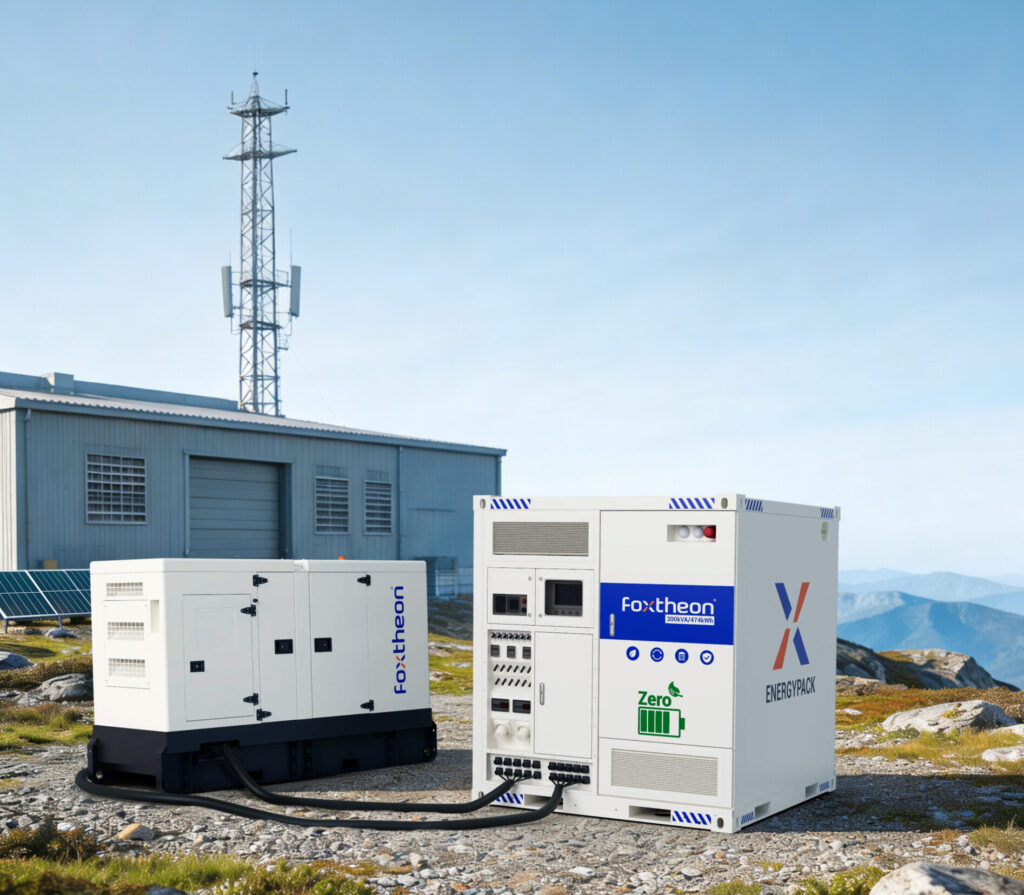
A4: Yes. The hybrid system is engineered to connect at the main distribution bus level. It acts as a dynamic load-following buffer, absorbing sudden load steps and allowing existing generators to run at steady, optimal operating points. This integration reduces mechanical stress on the generators and improves fuel burn efficiency without requiring modification to the generator units themselves.
Q5: What safety certifications should a commercial energy storage system carry?
A5: Buyers should verify that systems carry certifications such as UL 9540 for the complete integrated system, UL 1973 for the battery modules, and IEC 62477-1 or IEC 62109 for the power conversion equipment. These standards ensure the installation meets rigorous thermal safety, electrical protection, and mechanical stability requirements.
Initiating a Project Feasibility Inquiry
Developing a reliable energy infrastructure requires close collaboration between industrial facility managers and application engineers. Every facility operates under a unique load profile, influenced by specific machinery start times, local utility rate structures, and regional environmental factors. To assist in evaluating your power requirements, our technical team at Foxtheon is available to analyze your active and reactive load data, helping you configure an optimized, resilient system layout.
To request a technical consultation, system sizing simulation, or a detailed engineering quote, please contact our project engineering department. Please include your peak load metrics, average daily energy consumption, and details of any existing on-site power generation equipment in your inquiry to help us provide an accurate technical assessment.