
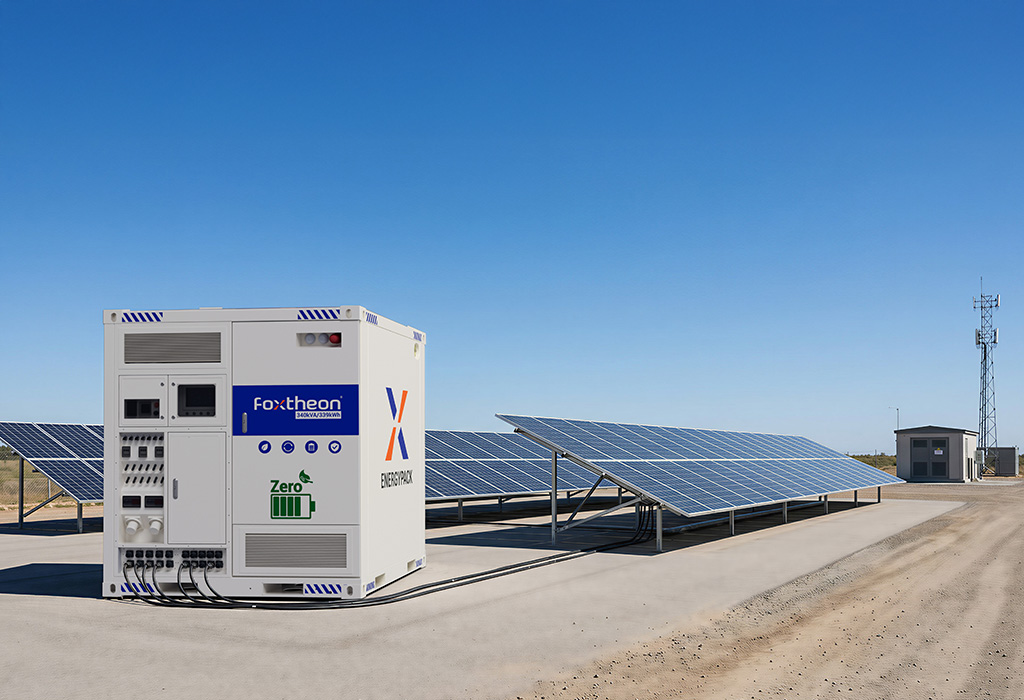
In remote and off-grid industrial environments, securing stable electricity remains a primary operational challenge. Mining operations, agricultural sites, remote communities, and telecommunication hubs often operate far from the stability of municipal utility grids. Historically, these facilities relied solely on diesel generator sets. While dependable, continuous generator operation introduces complex fuel logistics, frequent maintenance intervals, and inefficient low-load operations.
To address these challenges, the implementation of a hybrid off grid system has emerged as a reliable method for optimizing remote power generation. By pairing solar photovoltaic (PV) arrays, wind turbines, or other renewable sources with electrochemical energy storage and traditional generator sets, these systems balance reliability with resource efficiency. This article examines the technical frameworks, engineering considerations, and deployment strategies necessary to implement a successful industrial hybrid energy project.
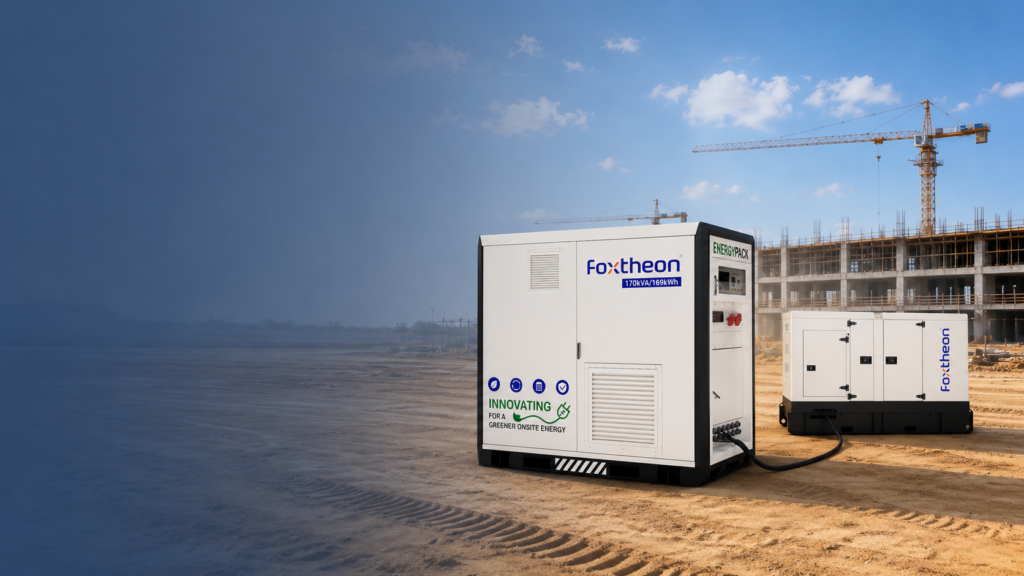
1. Technical Architecture of Modern Off-Grid Hybrid Configurations
An industrial-grade hybrid system is not merely a collection of standalone components; it is an integrated microgrid that requires precise engineering synchronization. The architecture generally comprises power generation assets, energy storage units, power conversion systems (PCS), and a centralized control system.
AC-Coupled vs. DC-Coupled Topologies
Selecting the appropriate coupling topology is a fundamental decision during the system design phase:
- DC-Coupled Systems: In a DC-coupled configuration, renewable generation sources (such as solar PV) and the battery storage system are connected to the same DC bus. The DC power is converted to AC via a bidirectional inverter before supplying the loads. This topology is highly efficient for systems where the primary objective is battery charging and where loads are predominantly DC-based, such as in telecommunication base stations.
- AC-Coupled Systems: In an AC-coupled configuration, the solar PV inverters and the battery inverters are connected directly to the AC bus. This design is highly scalable and is particularly efficient for facilities where the majority of power consumption occurs during the day, as solar generation can flow directly to AC loads without multiple conversion steps.
For large-scale commercial installations, engineering teams often implement a combination of both topologies to balance daily load demands with efficient battery replenishment cycles. Manufacturers such as Foxtheon specialize in providing versatile power conversion equipment designed to interface smoothly with diverse system topologies, ensuring high power quality and grid-forming capabilities.
2. Resolving Operational Challenges in Remote Power Generation
Deploying power systems in remote environments presents a unique set of technical and logistical hurdles. Understanding these challenges allows engineers to design robust mitigation strategies into the system from the outset.
Preventing Low-Load Generator Degradation
One of the most persistent issues in remote generator operation is “wet stacking.” This phenomenon occurs when a diesel generator runs under light loads (typically below 30% of its rated capacity). Under light loads, the engine does not reach its optimal operating temperature, leading to incomplete fuel combustion and the accumulation of unburned fuel and carbon in the exhaust system. This degrades the asset and increases maintenance costs.
Integrating a modern hybrid off grid system allows operators to mitigate this issue. The battery storage system acts as a buffer. When demand falls below the generator’s optimal operating threshold, the generator can be shut down entirely, and the battery bank takes over the load. Alternatively, if the generator must run, the energy management system can direct excess generator capacity to charge the batteries, forcing the engine to operate at a higher, more efficient load factor.
Fuel Logistics and Supply Chain Risks
For island grids and remote mine sites, fuel delivery can be highly seasonal or subject to weather disruptions. Over-reliance on continuous diesel generation exposes operations to severe supply chain vulnerabilities. By utilizing renewable energy resources to meet daytime loads and store excess energy, a hybrid system extends the operational runway of existing fuel reserves, reducing the frequency of refueling transport and mitigating logistic risks.
3. Engineering Considerations for Optimal Sizing and Integration
Sizing a hybrid off grid system requires meticulous data collection and analysis. A system that is undersized will fail to support peak loads, leading to system blackouts or excessive generator runtimes. Conversely, an oversized system leads to unnecessary capital expenditure and underutilized assets.
Load Profiling and Surge Capacity
The design process begins with establishing a detailed load profile. This profile must capture:
- Baseload consumption: The continuous power required by the facility 24/7.
- Peak load demands: Short-term spikes in consumption caused by heavy machinery startup or specific industrial cycles.
- Inductive load surges: High startup inrush currents from electric motors, pumps, and compressors, which can require up to six times their running current.
The system’s bidirectional inverters must possess sufficient surge capacity (often measured in kVA for short intervals like 3 to 10 seconds) to handle these startup currents without voltage dips that could trigger protection relays.
Battery Chemistry and Cycle Life
Industrial energy storage has largely transitioned from lead-acid variants to Lithium Iron Phosphate (LiFePO4) chemistry. LiFePO4 offers a high Depth of Discharge (typically up to 90% or more), a long cycle life (often exceeding 6,000 cycles at 80% Depth of Discharge), and superior thermal stability compared to other lithium chemistries. When designing the battery bank, engineers must factor in the degradation rate over time to ensure the system meets its capacity targets at the end of its design life.
To ensure reliable performance in harsh field conditions, Foxtheon incorporates advanced battery management systems (BMS) and robust thermal controls within their storage enclosures. These systems monitor cell-level voltages and temperatures, maintaining safe operation even under wide ambient temperature fluctuations.
4. Key Application Scenarios and Deployment Strategies
The versatility of a hybrid energy configuration makes it suitable for diverse industrial sectors. Each sector demands a tailored deployment strategy to align with specific operational profiles.
Telecommunication Infrastructure
Remote telecom base transceiver stations (BTS) require continuous, highly reliable power. Historically, these sites used dual-generator setups running alternately. The deployment of a hybrid off grid system in telecommunication networks has led to a major reduction in generator run-hours. Solar power supports daytime operations and charges the battery bank, while the battery sustains the light nighttime loads, leaving the generator as a secondary backup resource.
Agricultural Irrigation and Processing
Agricultural operations often experience highly seasonal load profiles. During planting and harvesting seasons, power demand for irrigation pumps and processing equipment peaks sharply, while remaining minimal during the rest of the year. A hybrid system provides the flexibility to scale generation during peak months while preventing generator idling and degradation during off-peak periods.
Remote Mining and Resources
Exploration camps and remote mining operations require quick-to-deploy, rugged energy assets. Containerized hybrid solutions are particularly well-suited for this sector. Pre-engineered, factory-tested systems housed in standard ISO containers can be transported easily, commissioned rapidly on-site, and relocated when the mining camp moves to a new lease area.
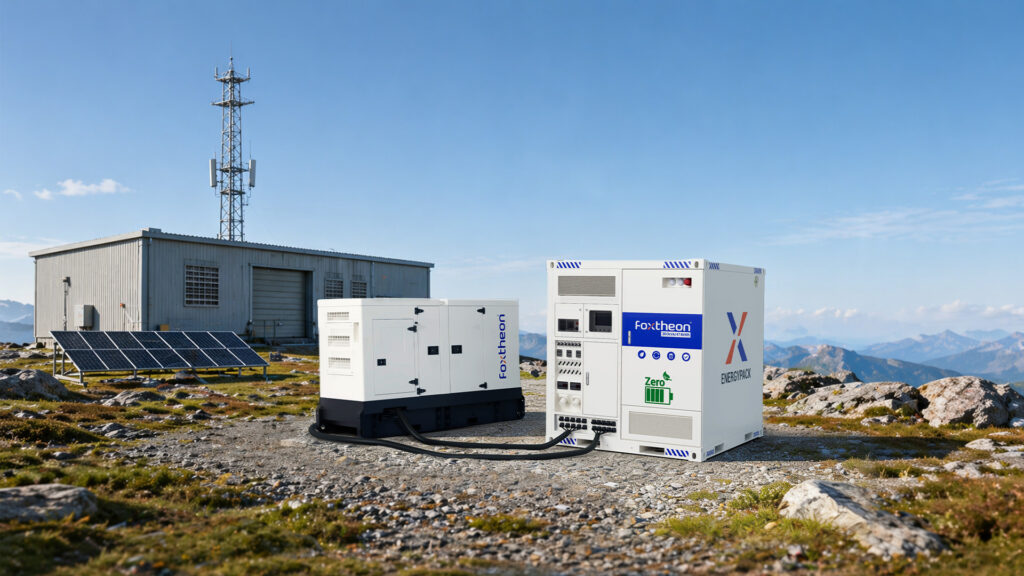
5. The Role of Intelligent Energy Management Systems (EMS)
The brain of any hybrid power plant is the Energy Management System (EMS). Without intelligent coordination, the various power generation assets will operate independently, leading to grid instability and inefficient resource utilization.
The EMS performs several vital functions:
- State of Charge (SoC) Management: The EMS monitors battery SoC and coordinates generator start/stop commands. If the SoC drops below a predefined threshold, the EMS initiates the generator start sequence, synchronizes the generator with the microgrid, and manages the charging cycle.
- Renewable Curtailment and Smoothing: Sudden cloud cover can cause rapid drops in solar PV output. The EMS coordinates with the battery inverter to instantly inject power into the grid, smoothing out fluctuations and maintaining frequency stability. If the battery bank is fully charged and load demand is low, the EMS curtails solar output to prevent overcharging.
- Peak Shaving: During periods of high temporary load, the EMS can configure the battery system to discharge in parallel with the running generator, preventing the generator from becoming overloaded and avoiding the need to start a second generator unit.
Modern communication protocols such as Modbus TCP/IP, CAN bus, and IEC 61850 are utilized to ensure real-time communication between the EMS, the solar inverters, the battery storage systems, and the generator controllers, ensuring that the hybrid off grid system responds dynamically to load transitions.
Technical Specifications Comparison
To help engineers and project managers evaluate configuration choices, the table below outlines the general operational differences between traditional power setups and hybrid-enabled configurations.
| Parameter | Traditional Generator Only | Hybrid Off-Grid Setup |
|---|---|---|
| Primary Energy Source | Diesel Fuel / Liquid Gas | Solar PV / Wind paired with Battery Storage |
| Backup Power Source | Redundant Generator Unit | Integrated Diesel Generator Set |
| Generator Load Factor | Highly variable (often low-load) | Optimized (high-load when running) |
| System Lifespan (Gen-Set) | Shorter due to continuous operation | Extended due to reduced runtime and wet-stacking prevention |
| Power Quality & Stability | Dependent on generator governor response | High speed frequency regulation via battery inverter |
| Environmental Adaptability | High (requires constant fuel logistics) | High (modular, containerized setups) |
Implementing a highly engineered hybrid off grid system is a strategic step for industrial operators seeking to secure their power supply while optimizing operational efficiency. Rather than replacing existing assets, this approach harmonizes solar PV and advanced lithium storage with reliable generator fleets. The result is a highly stable, resilient microgrid designed to withstand the rigors of remote industrial applications.
For organizations planning remote projects or looking to optimize existing off-grid assets, selecting the right partner is vital. Foxtheon designs and manufactures specialized power storage and conversion systems tailored to the unique demands of industrial microgrids. To discuss your project’s specific load profiles, environmental conditions, and integration goals, please contact our engineering team today to submit an inquiry.
Frequently Asked Questions
Q1: What is the main difference between an AC-coupled and a DC-coupled hybrid off grid system?
A1: In a DC-coupled configuration, renewable sources and the battery bank connect to a shared DC bus, which is ideal for dedicated DC loads and efficient battery charging. In an AC-coupled configuration, solar inverters and battery inverters connect directly to the main AC bus. AC-coupling is highly scalable and suited for applications with heavy daytime AC loads, as power can flow directly from the solar panels to the loads without undergoing multiple conversion stages.
Q2: How does a hybrid off grid system help extend the lifespan of an existing diesel generator?
A2: The system prevents the generator from running under low-load conditions (below 30-40% capacity), which causes incomplete combustion and “wet stacking” carbon buildup. By allowing the battery bank to handle light loads and using the generator only at its optimal efficiency range (to support heavy loads or quickly charge the batteries), overall generator run-hours are reduced and engine health is preserved.
Q3: Why is Lithium Iron Phosphate (LiFePO4) preferred over lead-acid batteries for industrial energy storage?
A3: LiFePO4 chemistry offers a significantly higher cycle life (typically over 6,000 cycles at 80% Depth of Discharge), higher energy density, and superior thermal stability compared to lead-acid batteries. Additionally, LiFePO4 batteries do not suffer from sulfation and require minimal maintenance, making them far more reliable for remote, unmanned installations.
Q4: How does the system handle high startup currents from heavy inductive loads?
A4: Heavy inductive loads, such as water pumps or compressors, draw high inrush currents upon starting. Modern hybrid systems utilize advanced bidirectional inverters designed with strong temporary surge capacities (often double their continuous rating). If the surge exceeds the inverter’s capacity, the Energy Management System can temporarily run the generator in parallel to provide the necessary reactive power support.
Q5: Can the energy system be monitored remotely in areas with limited or no local internet connectivity?
A5: Yes. Industrial energy management systems can be integrated with satellite communication terminals, cellular gateways, or local radio networks. This allows operators to monitor performance parameters, track battery State of Charge, receive fault alerts, and implement firmware updates remotely from a centralized control station.