
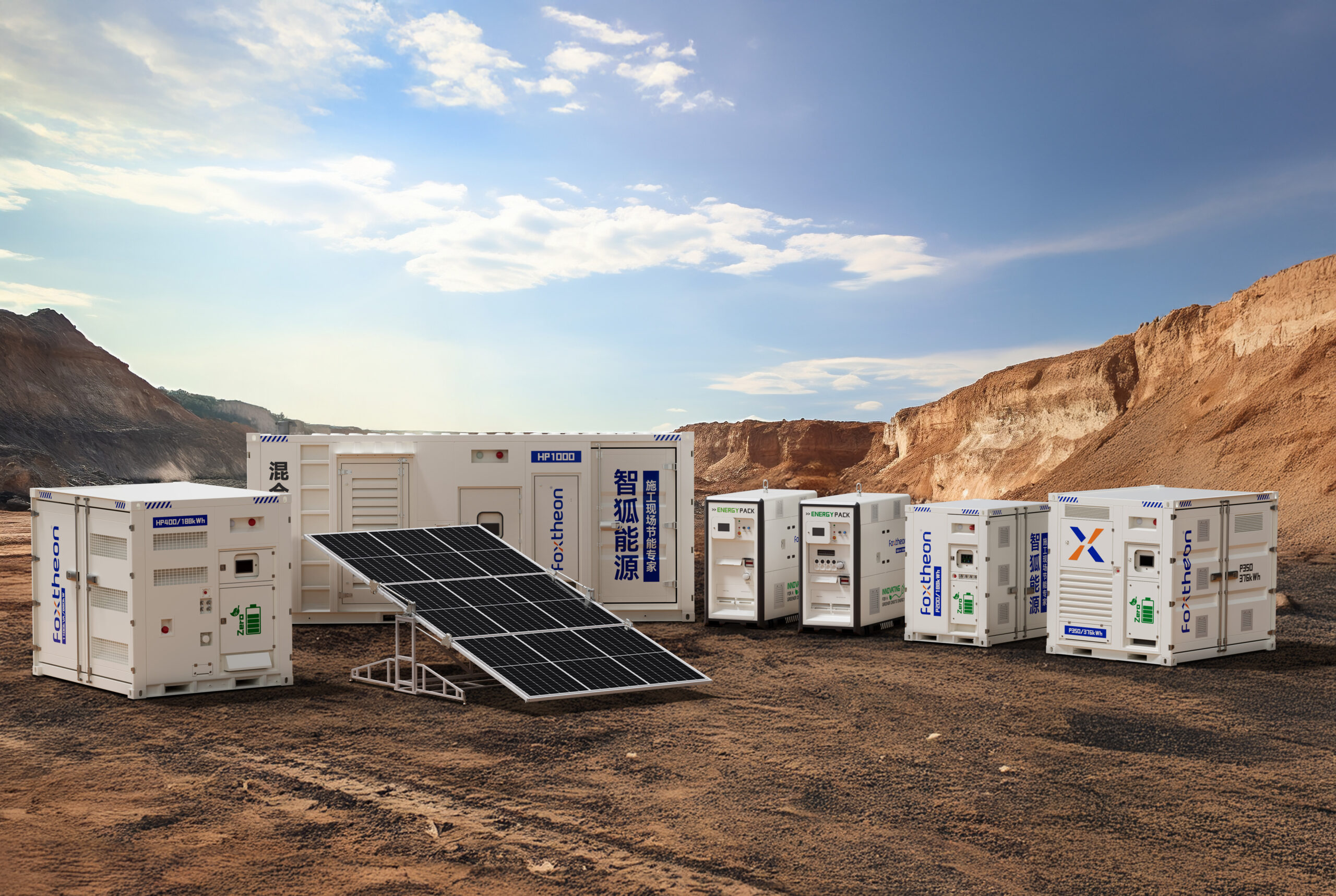
The transition toward decentralized energy networks introduces complex challenges for modern industrial and commercial facilities. Fluctuations in grid supply, coupled with the integration of intermittent renewable energy sources, require robust infrastructure to maintain power quality and system stability. To mitigate these voltage drops and load variances, organizations are increasingly deploying stationary energy assets. Incorporating utility-grade electric power storage systems into local electrical networks allows facility managers to balance load profiles, manage peak demand charges, and secure continuous power. For engineering teams and project developers, selecting the correct battery chemistry, enclosure materials, and control systems is vital to ensuring long-term operational viability.
To design an effective energy storage strategy, engineers must look beyond the basic battery capacity. A comprehensive evaluation of system architecture, auxiliary cooling networks, thermal runaway prevention, and structural casing materials is required. Companies like Foxtheon develop specialized hardware designed to meet these rigorous industrial specifications, facilitating smooth integration into existing power networks without compromising safety or efficiency.
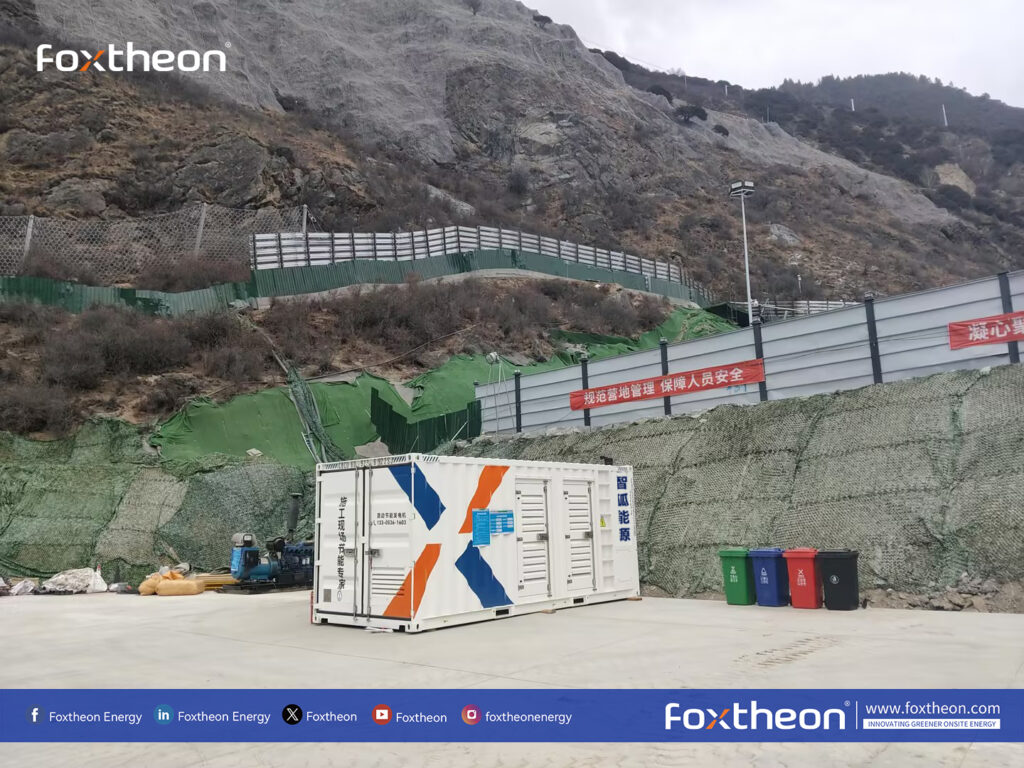
Technical Architecture of Commercial Battery Storage
Commercial-scale battery systems are complex, multi-layered assemblies where chemical, electrical, and mechanical processes interact. At the core of these setups is the electrochemical cell, which is typically configured in series and parallel configurations to achieve the target voltage and current outputs. Modern industrial systems generally use Lithium Iron Phosphate (LiFePO4) chemistry due to its structural stability and safety profile.
Electrochemical Cell Selection: LFP vs. NMC
While Nickel Manganese Cobalt (NMC) chemistries offer high energy density, Lithium Iron Phosphate (LFP) has become the standard for stationary commercial applications. This preference is driven by several performance characteristics:
- Thermal Stability: LFP cells exhibit a higher thermal runaway threshold (approximately 270°C) compared to NMC cells (approximately 210°C), reducing the likelihood of catastrophic thermal propagation.
- Cycle Longevity: Under normal operational parameters, LFP cells regularly achieve 6,000 to 8,000 cycles at an 80% Depth of Discharge (DoD) before capacity drops to 80% of its original rating.
- Chemical Safety: The strong covalent bonds between phosphorus and oxygen in LFP chemistry resist oxygen release under high temperatures, which limits the risk of combustion.
Battery Management System (BMS) Hierarchy
The Battery Management System is the primary processing unit that keeps the battery running within safe operating limits. Industrial electric power storage systems employ a three-tiered BMS architecture to manage large-scale battery banks:
- Local slave controller (BMU): Directly monitors individual cell voltages, module-level temperatures, and performs passive or active cell balancing.
- Master controller (CBMS): Collects data from multiple BMUs, estimates State of Charge (SoC) and State of Health (SoH), and manages local contactors and safety relays.
- System-level controller (SBMS): Interfaces with the Power Conversion System (PCS) and the Energy Management System (EMS) via communication protocols like Modbus TCP/IP or CAN bus, coordinating overall safety and performance.
By using active balancing methods, the BMS redistributes energy from high-charge cells to lower-charge cells during cycle phases. This approach improves usable capacity and helps prevent premature cell degradation, which is a common issue in passive balancing setups where excess energy is simply dissipated as heat.
Power Conversion Systems (PCS) and Inverter Topology
The Power Conversion System acts as the bi-directional bridge between the direct current (DC) battery bank and the alternating current (AC) grid. Modern systems utilize three-level Neutral Point Clamped (NPC) inverter topologies. This design yields high conversion efficiency—often exceeding 98%—and reduces total harmonic distortion (THD) in the AC output. A low THD is necessary to protect sensitive industrial electronics and ensure compliance with local utility regulations. These inverters can operate in grid-following mode, syncing with utility voltage, or grid-forming mode to establish a local microgrid during a utility outage.
Thermal Management and Safety Mechanisms
Maintaining stable thermal conditions is crucial for the safety and operational life of large-scale batteries. Because electrochemical performance is highly temperature-dependent, thermal gradients within a single battery pack must be kept to a minimum.
Liquid cooling has largely replaced forced-air systems in high-capacity applications. This approach involves circulating a mixture of water and ethylene glycol through thermal plates placed in contact with the battery cells. Liquid cooling provides a heat transfer coefficient up to ten times higher than air, keeping temperature variances across the pack within a narrow range (≤3°C). Minimizing these thermal differences ensures uniform aging across all cells, preventing localized hot spots that can lead to premature module failure.
In addition to active cooling, modern electric power storage systems incorporate multi-layered safety barriers to mitigate thermal runaway risks:
- Early gas detection: Sensors monitor the enclosure for trace levels of carbon monoxide, hydrogen, and volatile organic compounds (VOCs) that are released during early cell venting, long before temperature changes are detected.
- Aerosol fire suppression: If the system detects gas or smoke, automated suppression systems disperse specialized aerosol agents to extinguish flames and interrupt chemical fire chain reactions.
- Structural isolation: Battery modules are housed in fire-rated partitions designed to contain thermal events for up to two hours, preventing heat from spreading to adjacent bays.
Enclosure Engineering and Material Selection
The longevity of outdoor systems depends heavily on the durability of their protective enclosures. These cabinets must protect internal electronics, battery packs, and control systems from environmental factors like moisture, dust, salt spray, and extreme temperatures.
Industrial enclosure design relies on careful material selection to balance durability, weight, and thermal performance:
| Material Type | Corrosion Resistance Class | Tensile Strength | Primary Application Scenario |
|---|---|---|---|
| Hot-Dip Galvanized Steel (SGCC) | C3 to C4 (Medium-High) | 270 – 500 MPa | Standard outdoor urban and inland industrial locations. |
| Marine-Grade Stainless Steel (SUS316) | C5-M (Very High Marine) | 515 – 690 MPa | Coastal regions, offshore sites, and chemical plants. |
| Alloyed Aluminum (5000 Series) | C4 (High) | 190 – 290 MPa | Weight-sensitive installations and high-humidity environments. |
To reduce the cooling load from solar radiation, enclosures feature double-walled construction insulated with high-density rock wool or polyurethane foam. This insulation helps stabilize internal temperatures, reducing the power consumed by auxiliary HVAC systems. Structural designs must also comply with IP55 or IP56 ratings to prevent dust and water ingress under high-pressure spray conditions, while integrated pressure-relief panels safely vent internal gases in the event of overpressurization.
Industrial Application Scenarios
Deploying energy storage assets can address several operational and economic challenges for commercial and industrial facilities. Rather than simply acting as emergency backup, these systems are integrated into daily operations to optimize power consumption.
Demand Charge Management (Peak Shaving)
Industrial electricity tariffs often include peak demand charges based on the highest rate of energy consumption recorded during a billing period. By configuring the local control system to monitor real-time demand, the facility can discharge its battery bank when consumption nears a preset limit. This process, known as peak shaving, reduces peak draw from the grid and helps manage overall utility expenses.
Smoothing Intermittent Renewable Generation
On-site solar arrays often experience sudden drops in output due to passing cloud cover. These rapid fluctuations can cause voltage instability within local microgrids. Integrating electric power storage systems helps smooth these output ramps. The battery system absorbs excess solar energy during peak production periods and discharges it when solar generation falls, ensuring a stable, predictable power flow.
This smoothing capability is particularly useful for automated production lines, where voltage sags can cause machinery to shut down, leading to costly material waste and production delays. Industrial power storage systems help ensure clean, consistent power delivery, shielding sensitive automation equipment from grid disturbances.
Evaluating Global Suppliers and Integration Standards
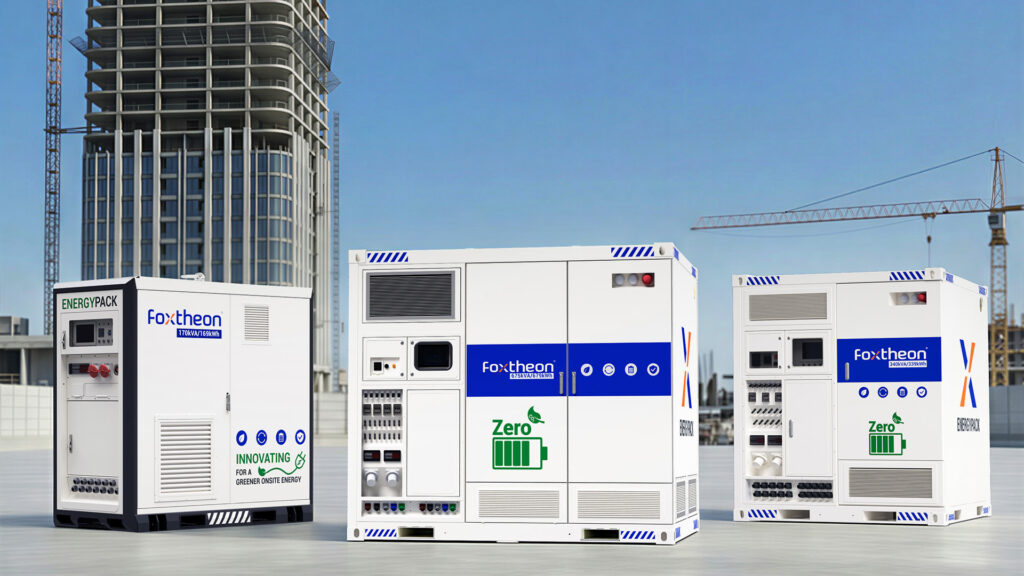
Selecting an energy storage partner requires careful evaluation of their engineering capabilities, manufacturing standards, and compliance certifications. Given the complexity of utility-scale power projects, system integrators should focus on suppliers that provide complete, fully integrated solutions rather than loose components.
A thorough supplier evaluation should cover several areas:
- Testing and Certifications: Ensure the complete system has undergone rigorous testing, including UL 1973 (for battery packs), UL 9540 (for integrated systems), and UL 9540A (for thermal runaway propagation). Compliance with IEC 62619 and UN38.3 is also necessary for international shipments and installations.
- Bespoke Engineering Capabilities: Industrial projects often require custom voltage configurations, specific physical layouts, or unique communication interfaces. Manufacturers like Foxtheon offer tailored OEM/ODM engineering services to customize battery management profiles and enclosure layouts for specific site requirements.
- Quality Audits of Battery Cells: Verify that the cells used in the system are sourced from reputable Tier-1 manufacturers, and check that the supplier’s assembly facility adheres to ISO 9001, ISO 14001, and ISO 45001 standards.
System integrators must also analyze how auxiliary components, such as HVAC units and fire protection systems, are integrated into the main control network. A well-designed system should feature a centralized control interface that allows engineers to monitor all parameters from a single dashboard, simplifying long-term maintenance and troubleshooting.
<
System Pricing Components
The upfront acquisition price of commercial-grade electric power storage systems is determined by several core components. Understanding this breakdown helps procurement teams allocate budgets effectively:
- Battery Modules (45% – 55% of total pricing): Includes the raw LFP cells, module casings, internal wiring, and the slave BMU cards.
- Power Conversion System (15% – 20% of total pricing): Covers the bi-directional inverters, AC/DC isolation switches, and grid-coupling transformers.
- Thermal Management & Safety Systems (10% – 15% of total pricing): Includes liquid-cooling chillers, coolant plumbing, fire detection sensors, and aerosol suppression cylinders.
- Enclosure & Structural Assembly (10% of total pricing): The insulated, powder-coated steel cabinet, structural racks, and environmental seals.
- System Integration & Master Software (5% – 10% of total pricing): Covers the EMS software licenses, master BMS controllers, and factory testing.
Customization requirements, such as upgrading to marine-grade SUS316 steel or adding high-altitude insulation kits, will adjust these baseline allocations. Project teams should work closely with manufacturers during the engineering phase to specify exact site parameters and avoid unnecessary over-engineering.
Frequently Asked Questions
Q1: What is the operational lifespan of LFP cells in commercial storage systems?
A1: LFP (Lithium Iron Phosphate) cells typically deliver between 6,000 and 8,000 cycles at an 80% Depth of Discharge (DoD) before their capacity degrades to 80% of its nominal value. In standard commercial applications with one full charge and discharge cycle per day, this translates to an operating life of 15 to 20 years, provided the thermal management system maintains cell temperatures between 15°C and 30°C.
Q2: Why is liquid cooling preferred over air cooling in high-capacity battery enclosures?
A2: Liquid cooling utilizes a glycol-water mixture with a high heat transfer capacity, keeping the temperature variation between cells within 3°C. Air cooling relies on fans and convective air currents, which often leads to temperature gradients of 8°C or more across large battery packs. Minimizing these thermal differences prevents localized cell degradation and significantly reduces the risk of thermal runaway.
Q3: How do modern electric power storage systems mitigate thermal runaway propagation?
A3: Modern systems feature multi-layered protection, including LFP cell chemistry with high thermal stability, real-time gas monitoring to detect early cell venting, automated aerosol fire suppression, and physical fire barriers between modules. These measures comply with UL 9540A standards to contain thermal events within a single compartment and prevent them from spreading.
Q4: What certifications are necessary for installing outdoor commercial battery systems?
A4: For safety and grid compliance, systems should be certified to UL 9540 (for integrated systems), UL 1973 (for battery packs), and IEC 62619 (for industrial batteries). Additionally, the system must have undergone UL 9540A testing, and the grid-connected inverter must comply with IEEE 1547 and UL 1741 standards for grid interconnection.
Q5: Can these systems operate in extreme environmental conditions, such as coastal or sub-zero locations?
A5: Yes, provided the system is engineered with the correct materials. For coastal environments, cabinets should use marine-grade SUS316 stainless steel with a C5-M anti-corrosion coating. For sub-zero installations, enclosures require high-density insulation and internal heating pads to keep battery cells above 0°C during charging phases, preventing lithium plating.
B2B Inquiry
For custom engineering inquiries, detailed technical specifications, or to request a project quotation, please submit your requirements to our application engineering team. Our technical division will review your grid interface, load profile, and environmental specifications to recommend an optimized system configuration.