
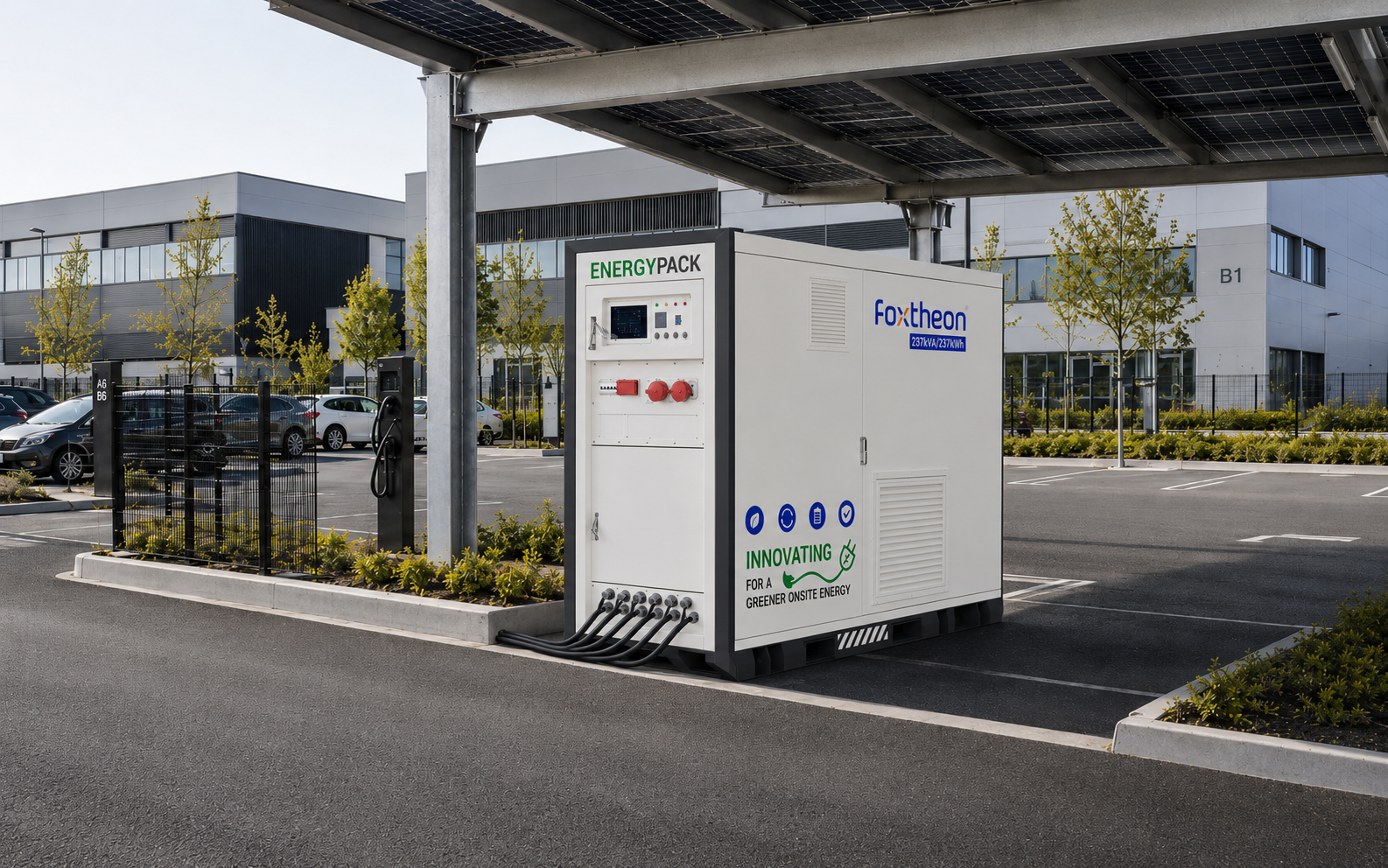
Temporary and off-grid operations demand steady, high-capacity electrical supplies. From civil construction projects and telecommunication towers to emergency response operations, remote sites have historically relied on single-source power generation. As power electronic architectures evolve, the integration of advanced battery chemistry, high-efficiency power conversion systems, and ruggedized packaging has established the modern Mobile Power Station as an integral asset for field engineering. Integrating these platforms stabilizes local microgrids, manages dynamic peak loads, and optimizes existing site resources without requiring structural overhauls.
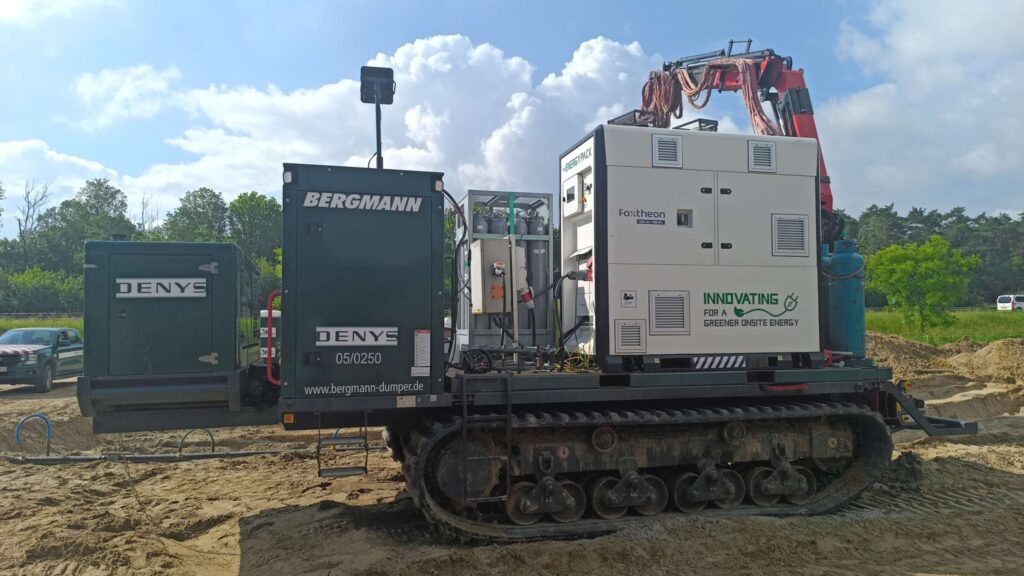
Architectural Foundations and Electrochemical Systems
The operational value of an industrial energy platform depends directly on its core electrochemical and power-conversion architecture. Unlike light-duty consumer units, an enterprise-grade system must maintain steady output under continuous operation, high ambient temperatures, and irregular duty cycles.
Electrochemical Selection: LFP Dominance in Stationary and Mobile Use
Modern commercial platforms rely predominantly on Lithium Iron Phosphate (LiFePO4 or LFP) chemistries. While Nickel Manganese Cobalt (NMC) chemistries offer higher volumetric energy density, LFP provides distinct stability advantages. The chemical stability of the iron-phosphate bond offers higher tolerance against thermal events, with breakdown temperatures exceeding 270°C compared to NMC formulations that begin exothermic reactions near 210°C.
LFP cells sustain cycle life spans ranging from 3,500 to over 6,000 cycles at an 80% Depth of Discharge (DoD) under nominal operating parameters. This longevity supports daily multi-cycle operations over prolonged deployment timelines. Prismatic cell form factors are generally preferred in high-capacity layouts, as their rigid metallic casings provide superior mechanical integrity and simplify heat exchange compared to cylindrical or pouch designs.
Inverter Topology and Bidirectional Power Conversion
At the center of energy exchange sits the bidirectional power conversion system (PCS). Industrial configurations favor Silicon Carbide (SiC) and advanced Insulated Gate Bipolar Transistor (IGBT) switches over conventional silicon MOSFETs. These components handle higher switching frequencies with reduced switching losses, raising overall system efficiency above 95% across a wide operational load curve.
Pure sine wave generation is mandatory for industrial payloads. Harmonics introduced by lower-quality inverters can generate parasitic eddy currents in three-phase industrial motors, causing overheating and premature insulation breakdown. A Total Harmonic Distortion (THD) of less than 3% under linear loads and less than 5% under non-linear inductive loads ensures compatibility with delicate field testing instrumentation, variable frequency drives (VFDs), and heavy machinery.
Thermal Dynamics and Protective Enclosure Science
Ambient conditions in field deployments present severe operating conditions. Thermal stability and structural protection dictate system availability, cycle efficiency, and longevity.
Thermal Management: Passive Dissipation vs. Active Liquid Loops
Operating temperature fluctuations accelerate cell degradation and trigger internal resistance spikes within lithium-ion assemblies. Basic convective air cooling often falls short in high-ambient environments where internal temperatures can surge under rapid charge-discharge profiles.
- Active Air Circulation: Utilizes dual-path positive-pressure ducting to move ambient air past external heatsinks, isolating the sensitive battery compartment from direct particulate intrusion.
- Liquid Thermal Management: Employs a closed-loop glycol-water solution channeled through cold plates nestled directly against prismatic cell faces. This approach maintains a tight intra-pack temperature differential of less than 3°C, extending cell life and allowing stable continuous high-C charge and discharge cycles even in ambient conditions exceeding 45°C.
Enclosure Materials and Environmental Ingress Standards
Field machinery faces constant exposure to saline mist, fine particulates, moisture, and operational vibration. Deploying a Mobile Power Station in harsh environments requires robust materials and engineering:
- Structural Frame Metallurgy: Heavy-gauge structural aluminum alloys (such as marine-grade 5052 or 6061-T6) balance structural stiffness with weight reduction for vehicular integration. Where heavy external impact protection is needed, galvannealed or electro-galvanized cold-rolled steel frameworks are treated with thermoset polyester powder coats.
- Ingress Protection: Industrial operations demand a baseline rating of IP54, with specialized field units reaching IP65 or IP66. These ratings ensure full protection against wind-blown dust and high-pressure water jets from standard maintenance wash-downs.
- Vibration and Shock Isolation: Internal battery trays must incorporate elastomeric isolation dampers engineered to absorb shock profiles aligned with standards like MIL-STD-810H. This isolation limits internal stress on busbar welds, terminal studs, and surface-mount control electronics during transport across rough terrain.
Microgrid Integration, Paralleling, and Hybrid Field Architecture
A primary function of mobile power technology is working alongside existing power generation setups rather than operating entirely on its own. Hybrid topologies integrate battery storage with internal combustion generators, localized solar panels, or fragile utility ties.
Generator Hybridization and Fuel Optimization
Internal combustion engines run most efficiently at continuous load factors between 70% and 80%. When running light night-time loads or handling sporadic spike demands, low-load engine operation leads to wet stacking, incomplete fuel combustion, and accelerated carbon fouling. Integrating an intelligent Mobile Power Station establishes a coordinated power system. Under low-load regimes, the generator shuts down, and the battery platform carries the site load directly. When loads spike or storage depletes, the battery system signals the generator to start via dry-contact automatic mains failure (AMF) controls, loading the generator to its optimal operating band where excess capacity simultaneously recharges the battery pack.
Microgrid Synchronization and Droop Control
Modern high-capacity mobile platforms feature dynamic synchronization modes. They can transition between grid-following (voltage-controlled, frequency-following) and grid-forming (voltage-source, frequency-regulating) operating modes seamlessly:
- Droop Control Algorithms: Allow multiple units to parallel without requiring centralized high-speed communication loops by modulating voltage and frequency in proportion to active (P) and reactive (Q) power demand.
- Black-Start Support: Provides zero-voltage transformer excitation and magnetizing inrush handling, allowing downstream distribution circuits to re-energize smoothly without stalling existing rotating machines.
- Peak Shaving and Dynamic Response: Instantly injects power during inductive motor starts, dampening transient voltage dips and preventing site brownouts without oversizing the base generation asset.
Evaluation Metrics for Industrial-Grade Manufacturing
Evaluating manufacturers requires a thorough review of structural safety parameters, internal design standards, and firmware sophistication. Manufacturers like Foxtheon focus their engineering on structural longevity, modular serviceability, and advanced protection layers suitable for multi-industry deployment.
BMS Architecture and Telemetry Integration
The Battery Management System (BMS) manages unit safety and performance. Industrial platforms require a multi-tiered architecture that separates cell-level sensing, module aggregation, and unit-level master controllers:
- Active Balancing Systems: Shunt energy from higher-charge cells to lower-charge cells rather than dissipating energy as waste heat through passive resistors, preserving available capacity across the system’s operational life.
- Industrial Communication Protocols: Native support for Controller Area Network (CAN 2.0B), Modbus TCP/RTU, and standard SCADA field interfaces allows operations centers to track cell voltage, State of Charge (SoC), State of Health (SoH), and internal moisture status in real time.
- Hardware Protection Schemes: Dual-layer redundant sensing for over-current, short-circuit, over-temperature, and cell-reversal conditions, backed by pyro-fuses and contactors capable of safely clearing high prospective fault currents.
Regulatory Compliance and Testing Validation
Industrial applications require clear compliance certifications to verify site safety:
- UL 1973: Evaluates stationary and light mobile battery packs under short-circuit, overcharge, and mechanical drop tests.
- UL 9540A: Evaluates thermal runaway fire propagation behavior within a battery system, providing fire safety teams with data on vent gas release volumes and flame containment capabilities.
- IEC 62619: Specifies requirements for the safe operation of secondary lithium cells and batteries used in industrial and mobile applications.
- UN 38.3: Mandates vibration, shock, altitude simulation, and crush resistance before units can be legally transported via commercial freight networks.
Operational Applications Across Commercial Demands
Scalable power architecture allows the contemporary Mobile Power Station to perform across diverse industrial environments with distinct power profiles.
Heavy Civil Engineering and Infrastructure Maintenance
Urban construction projects often face strict municipal noise curfews and local particulate limits that restrict continuous night-time operations. Deploying battery storage units allows round-the-clock tunnel boring, water dewatering, and perimeter lighting without running combustion engines during restricted night shifts. The robust housing architectures developed by manufacturers such as Foxtheon isolate internal control electronics from conductive concrete dust, vibration, and mud.
Telecommunications and Remote Off-Grid Relay Installations
Cellular base stations and remote communications repeaters situated on mountain summits or along long transport corridors demand high reliability. Pairing local renewable arrays with an on-site storage node stabilizes unpredictable solar outputs and supports communication links through severe weather events without interruption.
Industrial Plant Maintenance and Utility Restoration
During plant turnarounds, facility operators must isolate main distribution panels for maintenance while keeping secondary control systems, pneumatic valve networks, and safety monitors running. Trailer-mounted high-voltage platforms deliver localized power directly to distribution sub-boards, cutting switchgear isolation timelines and supporting field work without interrupting peripheral building operations.

Procurement and Quality Evaluation Criteria
When selecting a high-output Mobile Power Station, procurement teams must look past basic capacity figures and examine comprehensive engineering specifications:
- C-Rate Delivery Capabilities: Confirm continuous discharge limits alongside short-term peak surge capacity (e.g., 3x nominal for 10 seconds) to ensure the system can handle large motor starts.
- Modular Repair Design: Verify that individual cell modules and inverter sub-assemblies can be serviced or swapped independently in the field without taking the entire unit offline.
- Environmental Operating Envelope: Review performance curves across extreme temperature ranges, confirming the availability of internal heating blankets for sub-zero operation and multi-stage active cooling for high heat.
- Firmware Security and Field Updates: Ensure control interfaces feature secure, signed firmware capabilities to guard internal communications against unauthorized modification.
Working directly with an established engineering firm like Foxtheon helps operators align internal system architectures, auxiliary power paths, and custom chassis specifications directly with their field operations.
Frequently Asked Questions
Q1: What separates an industrial mobile power station from consumer-grade backup units?
A1: Industrial platforms are built with heavy-gauge industrial materials, utility-grade LFP cell chemistries, and advanced power electronics capable of handling three-phase inductive loads. They feature advanced active liquid or dual-path thermal cooling, complete environmental ingress sealing (IP54 to IP65), and formal certifications (such as UL 1973 and IEC 62619) alongside field communication protocols like Modbus and CANbus.
Q2: Can a mobile power platform synchronize with existing on-site generation equipment?
A2: Yes. Advanced units feature integrated droop control and automatic synchronization switchgear. They can parallel with local alternating current sources, acting as virtual spinning reserves, peak-shaving high inrush demands, and optimizing overall fuel efficiency by balancing operating loads on surrounding generation units.
Q3: How do cold temperature environments influence unit operations?
A3: Sub-zero temperatures increase internal battery impedance and temporarily lower effective discharge capacity. To prevent lithium plating during charge cycles, industrial-grade systems integrate internal heating elements that warm the cells to safe levels before initiating high-current charging.
Q4: What maintenance schedules are typical for these platforms?
A4: Because they lack reciprocating engine components, maintenance primarily involves inspecting air intake filters, checking coolant levels in liquid thermal loops, confirming enclosure seal integrity, torque-checking primary electrical terminals, and applying BMS firmware updates.
Q5: What protective systems are deployed against internal thermal events?
A5: Enterprise-grade systems rely on a layered safety approach: intrinsically stable LFP chemistry, multi-tier BMS over-voltage and over-temperature protections, physical cell isolation, specialized blast-relief venting, and automated aerosol or clean-agent fire suppression systems within the pack enclosure.
Technical Inquiries & Sourcing Specifications
To request detailed technical data sheets, single-line diagrams (SLDs), or custom enclosure engineering specifications for an industrial-grade Mobile Power Station, submit project parameters directly to our technical sales and engineering division at https://www.foxtheon.com/.