
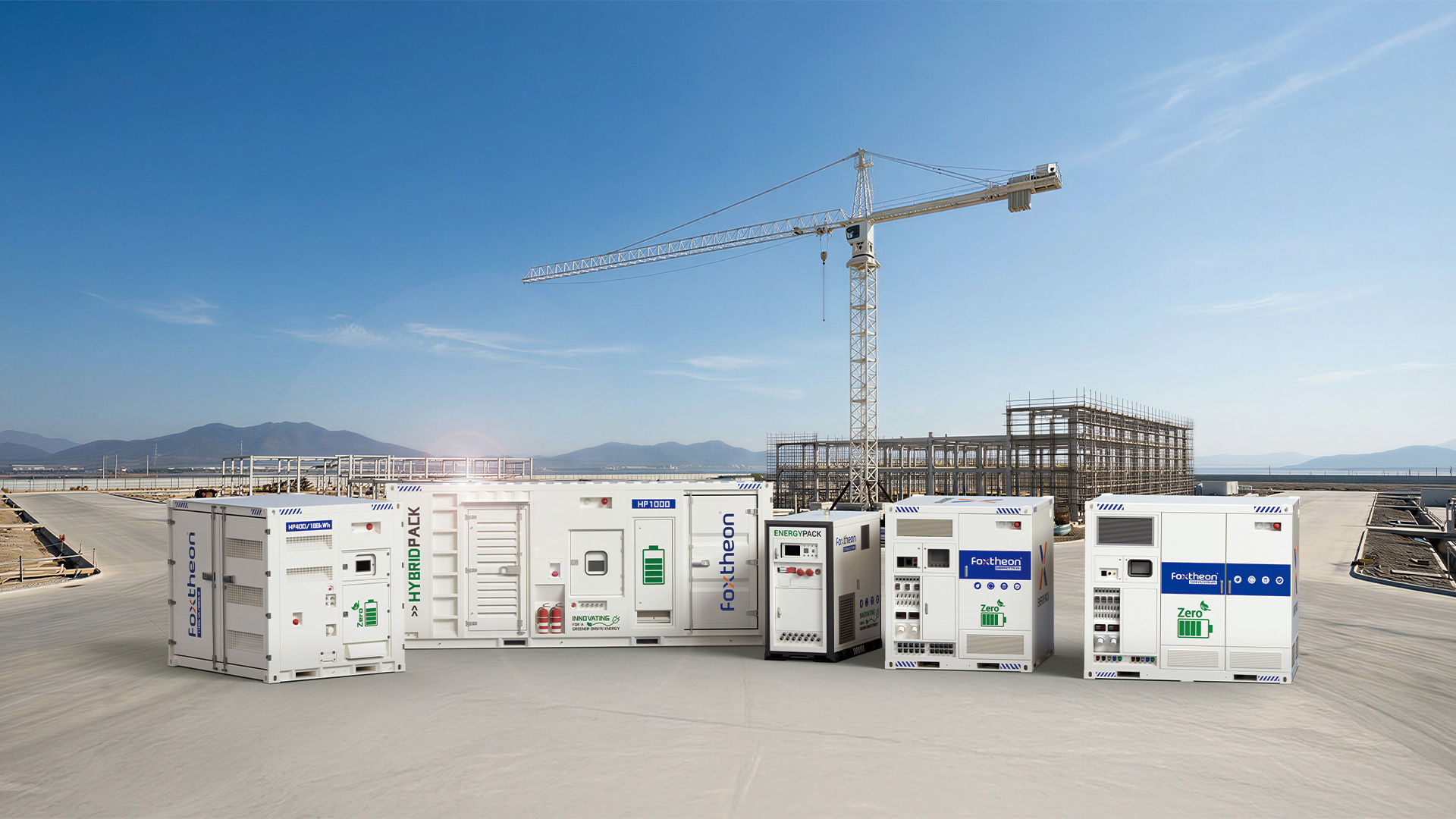
The global energy sector is undergoing a profound shift toward decentralized and portable power distribution. As industrial operations expand into remote areas and urban centers require more flexible backup solutions, the mobile battery charging station has emerged as a foundational asset for ensuring operational continuity. This technology provides a bridge between traditional grid-tied systems and the need for localized, high-capacity energy availability without the limitations of fixed infrastructure.
For B2B stakeholders, understanding the technical nuances and integration capabilities of these systems is necessary for optimizing energy portfolios. Leading providers like Foxtheon have focused on developing sophisticated energy storage systems that prioritize safety, energy density, and rapid deployment across various sectors, including emergency response, telecommunications, and heavy industry.
1. High-Density Lithium-Ion Chemistry and Thermal Management
The core of any high-performance mobile battery charging station lies in its cell chemistry. Most modern industrial units utilize Lithium Iron Phosphate (LiFePO4 or LFP) or Nickel Manganese Cobalt (NMC) cells. LFP is often preferred in B2B environments due to its thermal stability and extended cycle life, often exceeding 3,500 to 6,000 cycles before reaching 80% capacity.
Thermal management is equally significant. To maintain performance in extreme environments—ranging from arid construction sites to sub-zero industrial parks—advanced stations incorporate active cooling and heating systems. Liquid cooling loops or high-velocity forced-air systems ensure that the internal temperature remains within the optimal window, preventing thermal runaway and ensuring consistent power delivery during high-drain operations.
Safety Protocols and Multi-Layer BMS
An industrial-grade Battery Management System (BMS) acts as the brain of the unit. It monitors parameters such as:
- State of Charge (SoC) and State of Health (SoH) tracking.
- Cell-level voltage balancing to prevent premature degradation.
- Short-circuit and over-current protection mechanisms.
- Real-time data logging for predictive maintenance.
2. Power Conversion and Inverter Efficiency
A mobile battery charging station is more than just storage; it is a sophisticated power conversion hub. The integration of high-efficiency bi-directional inverters allows these units to convert Direct Current (DC) from the batteries into high-quality Pure Sine Wave Alternating Current (AC) suitable for sensitive electronic equipment.
Efficiency ratings in top-tier units now consistently reach 93% to 97%. This minimizes energy loss as heat during the conversion process. For B2B applications where high-precision machinery is used, maintaining low Total Harmonic Distortion (THD) is a prerequisite to prevent equipment malfunction or electrical noise interference.
3. Modular Architecture for Scalable Operations
One of the primary challenges in industrial power planning is the fluctuation of demand. A modular mobile battery charging station addresses this by allowing multiple units to be connected in parallel or series. This scalability enables operators to expand their power capacity from a few kilowatt-hours (kWh) to several megawatt-hours (MWh) as the project scope grows.
Companies like Foxtheon emphasize modularity to provide versatile solutions that can be transported via standard logistics channels. This “plug-and-play” capability reduces the time required for onsite setup and allows for rapid reconfiguration if the power requirements of a site change unexpectedly.
4. Integration with Renewable Energy Sources
The modern energy ecosystem relies heavily on the ability to store energy from intermittent sources. A mobile battery charging station often includes integrated Maximum Power Point Tracking (MPPT) controllers. These allow for direct connection to solar photovoltaic (PV) arrays, transforming the station into a mobile microgrid.
In remote field operations where grid access is non-existent, the ability to harvest solar energy during the day and store it for nighttime operations is a strategic advantage. This hybrid approach ensures a continuous power supply while reducing the logistical burden of fuel transportation for traditional mechanical generators.
5. Application Scenarios in Modern Infrastructure
The utility of portable energy storage spans multiple high-stakes industries. Each scenario presents unique challenges that these stations are designed to solve.
- Telecommunications: Maintaining “always-on” connectivity requires robust backup systems. Portable stations can be deployed to remote base stations during grid maintenance or localized outages.
- Disaster Recovery: In the aftermath of natural events, restoring power to hospitals and command centers is a priority. The mobility of these battery units allows for immediate deployment via truck or helicopter.
- Public Utilities: During peak demand periods, utilities can use mobile storage to perform “peak shaving,” reducing the strain on the primary grid and preventing localized brownouts.
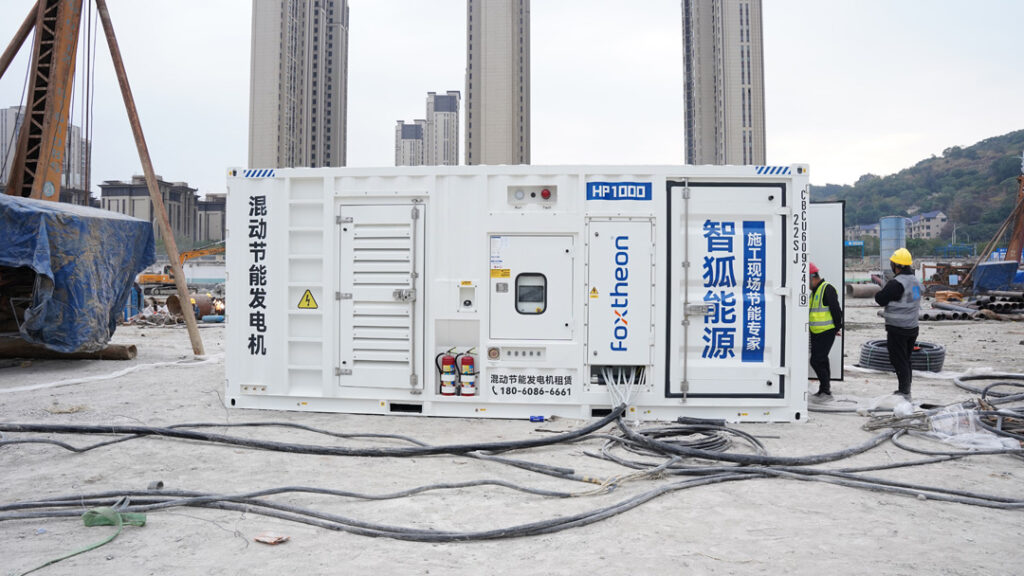
- Construction and Mining: Heavy machinery and onsite offices require stable power. These stations provide a silent, emission-free alternative for indoor or noise-sensitive environments.
6. Overcoming Grid Congestion and Connection Delays
In many developing industrial zones, the timeline for securing a permanent grid connection can be months or even years. A mobile battery charging station serves as a temporary but powerful solution, allowing projects to commence on schedule. By utilizing these units, site managers can operate independently of the local utility’s infrastructure timeline, maintaining project velocity and meeting contractual deadlines.
Furthermore, in urban environments where the existing grid is congested, these stations can be charged during off-peak hours when electricity demand is low and discharged during peak hours. This load-shifting capability is a vital component of modern smart-city energy management.
.jpg)
7. Durability and Environmental Protection
Industrial equipment must withstand harsh conditions. High-quality mobile energy units are housed in IP54 or IP65-rated enclosures, providing protection against dust, water ingress, and physical impact. The structural integrity of the chassis is designed to handle the vibrations and shocks associated with frequent transport over uneven terrain.
Corrosion-resistant coatings and reinforced mounting points for battery modules ensure that the internal components remain secure and functional over a long service life. This focus on ruggedization is what distinguishes professional-grade solutions from consumer-level portable power stations.
8. Remote Monitoring and IoT Connectivity
The integration of Internet of Things (IoT) technology has transformed how fleets of energy assets are managed. A mobile battery charging station equipped with 4G/5G or satellite connectivity allows operators to monitor performance data from a centralized dashboard. Key metrics include:
- Real-time GPS tracking for asset security.
- Remote firmware updates to optimize battery performance.
- Instant alerts for any technical anomalies or maintenance requirements.
- Historical data analysis to improve future energy deployment strategies.
This level of visibility is indispensable for B2B enterprises managing multiple sites across different geographic regions, ensuring that every asset is operating at peak efficiency.
The Future of Portable Energy Infrastructure
As battery technology continues to progress, we expect to see even higher energy densities and faster charging capabilities. The shift toward electrification in every sector—from logistics to heavy manufacturing—will continue to drive the demand for flexible, reliable power solutions. By integrating a mobile battery charging station into their operational framework, businesses can achieve a higher degree of energy independence and resilience.
The commitment to innovation shown by organizations like Foxtheon ensures that these energy solutions are not just temporary fixes, but integral components of a modern, sustainable industrial strategy. As the transition to cleaner, more efficient power continues, the role of mobile storage will only become more prominent in the global industrial theater.
Frequently Asked Questions
Q1: What is the primary difference between an industrial mobile battery station and a consumer power bank?
A1: Industrial units are designed for high-capacity output (often 50kWh to several MWh) and use professional-grade inverters and BMS systems. They are built to withstand harsh environments and support heavy machinery, whereas consumer power banks are intended for low-power electronic devices.
Q2: How long does it take to charge a high-capacity mobile battery charging station?
A2: Charging times depend on the input source. With high-speed AC industrial charging or integrated DC fast charging, many units can reach an 80% charge in 2 to 4 hours. Charging via solar arrays will vary based on the size of the PV system and weather conditions.
Q3: Can these stations operate in extreme weather conditions?
A3: Yes. Professional units are equipped with internal climate control systems. This allows them to function efficiently in temperatures ranging from -20°C to 50°C, depending on the specific model and enclosure specifications.
Q4: Is it possible to synchronize multiple units for larger power requirements?
A4: Most B2B energy storage solutions feature parallel capability. This allows multiple units to synchronize their AC output, effectively acting as a single, larger power source to meet the needs of high-demand industrial equipment.
Q5: What maintenance is required for these mobile energy units?
A5: Maintenance is minimal compared to mechanical systems. It primarily involves periodic firmware updates, inspection of cooling fans or filters, and checking electrical connections. The BMS handles most of the internal health monitoring automatically.
Q6: How do these systems integrate with existing grid infrastructure?
A6: They can be used as Uninterruptible Power Supplies (UPS) that kick in automatically during a grid failure, or as supplementary power sources that provide additional capacity during periods of high demand without requiring a grid upgrade.
Interested in optimizing your industrial energy resilience? Our team of specialists is ready to provide detailed technical consultations and tailored solutions for your specific operational needs.
Contact us today for an inquiry and discover how our advanced energy storage systems can support your next project.