
Fuel expenses make up a significant portion of operating costs for diesel generators. Whether you manage a construction site, run a factory, or rely on backup power for critical operations, understanding fuel consumption is key to controlling your budget. A diesel generator fuel saving calculator helps you track usage patterns, identify waste, and make informed decisions about energy management. This tool provides actionable insights that lead to real savings over time.
Why Fuel Efficiency Matters for Diesel Generators
Diesel generators remain a primary power source for many industries. They offer reliability and durability, but they also consume fuel at rates that can strain operational budgets. Fuel costs fluctuate based on market conditions, making it hard to predict expenses month to month. By focusing on efficiency, you reduce your exposure to price volatility and improve your bottom line.
The Hidden Costs of Inefficient Operation
Running a generator without monitoring fuel consumption leads to several problems. Over-fueling wastes money and increases emissions. Under-fueling risks power interruptions and equipment damage. Many operators guess at their fuel needs instead of using data-driven approaches. This guesswork often results in higher costs than necessary.
How a Fuel Saving Calculator Changes the Game
A diesel generator fuel saving calculator takes the guesswork out of the equation. It analyzes load factors, runtime hours, and fuel consumption rates to provide precise recommendations. You can see exactly where inefficiencies occur and take corrective action. This tool transforms abstract fuel costs into manageable data points.
Key Features of an Effective Fuel Saving Calculator
Not all calculators offer the same level of insight. The best tools include several essential features that give you a complete picture of your generator’s performance.
Load Factor Analysis
Generators operate most efficiently at certain load levels. Running them too lightly or overloading them reduces fuel economy. A good calculator examines your load patterns and suggests optimal operating ranges. It helps you match generator output to actual demand.
Historical Data Tracking
Fuel savings require long-term monitoring. A calculator with historical tracking lets you compare performance across weeks or months. You spot trends, identify seasonal variations, and measure the impact of changes you implement.
Cost Projection Tools
Knowing future costs helps with budgeting. Advanced calculators project fuel expenses based on current usage patterns and market prices. You plan for fluctuations and avoid surprises in your operational budget.
How to Use a Diesel Generator Fuel Saving Calculator
Using this tool effectively requires accurate input data and consistent monitoring. Follow these steps to get the most value from your calculations.
Gather Baseline Information
Start by collecting data on your current generator setup. Note the generator model, rated power output, and typical load percentages. Record fuel consumption over several weeks to establish a baseline. The more accurate your starting data, the better your savings estimates.
Input Operating Parameters
Enter your data into the calculator. Include runtime hours, load variations, and fuel prices. Many calculators also ask about maintenance schedules and environmental conditions. These factors influence fuel efficiency significantly.
Analyze the Results
Review the calculator’s recommendations carefully. It might suggest changing load distribution, adjusting runtime schedules, or upgrading equipment. Each recommendation comes with estimated savings figures. Prioritize changes that offer the fastest payback.
Implement Changes and Monitor
Put the recommendations into action. Then continue using the calculator to track results. Compare new consumption data against your baseline. Adjust your approach as needed to maximize savings.
Factors That Influence Generator Fuel Consumption
Understanding what affects fuel use helps you interpret calculator results correctly. Several variables impact how much fuel your generator burns.
Load Percentage
Generators achieve peak efficiency at 70-80% of rated load. Running below 30% load wastes fuel and causes wet stacking. Running above 90% risks overheating and reduces engine life. The calculator identifies these inefficiencies.
Maintenance Practices
Clean air filters, fresh oil, and properly adjusted injectors improve fuel economy. Poor maintenance increases consumption by 10-20% in many cases. Regular servicing pays for itself through fuel savings.
Environmental Conditions
High altitudes reduce engine efficiency. Extreme temperatures affect fuel viscosity and combustion. The best calculators account for these factors when estimating savings.
Generator Age and Technology
Older generators typically consume more fuel than modern models. Advances in engine design, electronic controls, and fuel injection have improved efficiency significantly. A calculator helps you decide whether upgrading makes financial sense.
Practical Strategies to Reduce Fuel Consumption
Beyond using a calculator, you can implement several practical measures to cut fuel use. Combine these strategies with regular monitoring for best results.
Right-Size Your Generator
Many operations use generators that are too large for their actual needs. A 500 kW generator running at 30% load burns more fuel per kWh than a 200 kW unit running at 70% load. Match generator capacity to your typical demand.
Implement Load Management
Spread electrical loads evenly across available generators. Avoid running multiple units at partial loads when one unit could handle the total load efficiently. Use the calculator to find optimal load distribution.
Schedule Regular Maintenance
Follow manufacturer recommendations for servicing. Clean cooling systems, check fuel injectors, and test battery condition. Well-maintained generators run cleaner and use less fuel.
Consider Hybrid Solutions
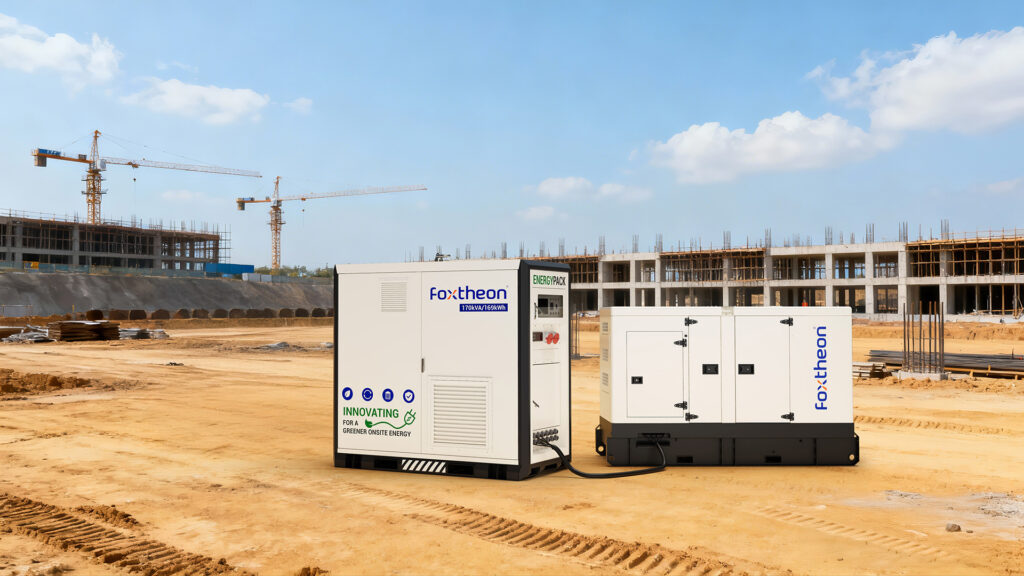
Combining diesel generators with battery storage or renewable sources cuts fuel use dramatically. The generator charges batteries during low-demand periods, then shuts down while batteries supply power. Hybrid systems reduce runtime and maintenance costs.
The Role of Technology in Fuel Optimization
Modern technology offers new ways to track and reduce fuel consumption. Smart controllers, remote monitoring, and automated reporting make fuel management easier than ever.
Remote Monitoring Systems
These systems connect to your generators and send real-time data to your phone or computer. You see fuel consumption, load levels, and alerts instantly. Remote monitoring catches problems before they become costly.
Automated Reporting
Software platforms generate fuel usage reports automatically. You share these reports with stakeholders to justify equipment upgrades or operational changes. Automated reporting saves time and ensures accuracy.
Integration with Building Management Systems
Connecting generators to building management systems optimizes power usage across facilities. The system prioritizes loads, schedules generator runs during off-peak hours, and reduces overall fuel consumption.
Foxtheon offers advanced energy solutions that integrate seamlessly with these technologies. Their hybrid systems and smart controllers help operators achieve maximum fuel efficiency while maintaining reliable power.
Common Mistakes in Fuel Management
Avoid these pitfalls when trying to reduce generator fuel costs.
Ignoring Part-Load Operation
Many operators focus on total runtime without considering load levels. Running at low loads for extended periods wastes fuel and damages engines. Use the calculator to identify part-load inefficiencies.
Skipping Regular Data Collection
Fuel savings require consistent tracking. Sporadic data collection misses trends and makes accurate projections impossible. Establish a routine for recording and analyzing consumption.
Overlooking Ancillary Equipment
Fuel consumption includes more than just the generator itself. Transfer pumps, cooling fans, and control systems also use power. Account for all loads when calculating efficiency.
Delaying Repairs
Small issues like fuel leaks or clogged filters become major problems if ignored. Address maintenance items promptly to prevent efficiency losses.
Measuring Your Return on Investment
Fuel saving initiatives require upfront investment in time and money. Calculate your ROI to justify these expenses.
Track Fuel Cost Reductions
Compare monthly fuel bills before and after implementing changes. Use the calculator to separate savings from market price fluctuations. Focus on the actual reduction in gallons or liters consumed.
Calculate Payback Periods
Divide the cost of equipment upgrades by monthly fuel savings. This gives you the payback period in months. Most operators accept payback periods of 12-24 months for efficiency investments.
Consider Non-Fuel Benefits
Efficiency improvements also reduce maintenance costs, extend equipment life, and lower emissions. Include these factors when evaluating total benefits.
Foxtheon‘s energy management platforms provide detailed ROI calculations that help you make confident investment decisions.
Diesel Generator Fuel Saving Calculator Frequently Asked Questions
Q1: How accurate is a diesel generator fuel saving calculator?
A1: Accuracy depends on the quality of input data and the calculator’s algorithms. Good calculators provide estimates within 5-10% of actual savings when you enter precise information about load patterns, runtime, and fuel prices. Regular updates improve accuracy over time.
Q2: Can a fuel saving calculator work for older generator models?
A2: Yes, calculators work for generators of any age. Older models may show greater potential savings because they typically operate less efficiently than new ones. The calculator identifies specific areas where older generators waste fuel.
Q3: How often should I use the calculator to track fuel consumption?
A3: Run calculations monthly for active generators. This frequency catches developing problems early and shows seasonal trends. Daily monitoring through connected systems provides even better results if you have the technology available.
Q4: Does using a calculator guarantee fuel savings?
A4: The calculator provides recommendations, but you must implement them to see savings. Think of it as a diagnostic tool rather than a solution. Acting on the insights it provides leads to measurable reductions in fuel use.
Q5: What other factors affect diesel generator fuel efficiency besides load?
A5: Fuel quality, ambient temperature, altitude, maintenance practices, and generator age all influence efficiency. Good calculators account for these variables. Poor fuel quality or neglected maintenance can reduce efficiency by 20% or more regardless of load management.
Q6: Can hybrid systems really reduce fuel consumption?
A6: Hybrid systems cut fuel use by 30-60% in many applications. They store energy during light loads and release it during peaks, allowing generators to run at optimal efficiency. Battery storage also reduces generator runtime, saving fuel and maintenance costs.
Q7: How do I convince management to invest in fuel monitoring technology?
A7: Present data from the calculator showing potential savings. Include payback period calculations and examples from similar operations. Highlight non-financial benefits like reduced emissions and improved reliability to build a stronger case.
Taking Action on Fuel Savings
Start using a diesel generator fuel saving calculator today to gain control over your energy costs. Collect baseline data, explore different operating scenarios, and identify the changes that offer the biggest returns. Combine calculator insights with practical strategies like load management and regular maintenance for maximum impact.
Foxtheon provides integrated energy solutions that make fuel optimization simple and effective. Their tools and expertise help you achieve measurable savings while maintaining reliable power for your operations. Begin your efficiency journey now and see the difference data-driven decisions make in your fuel budget.