
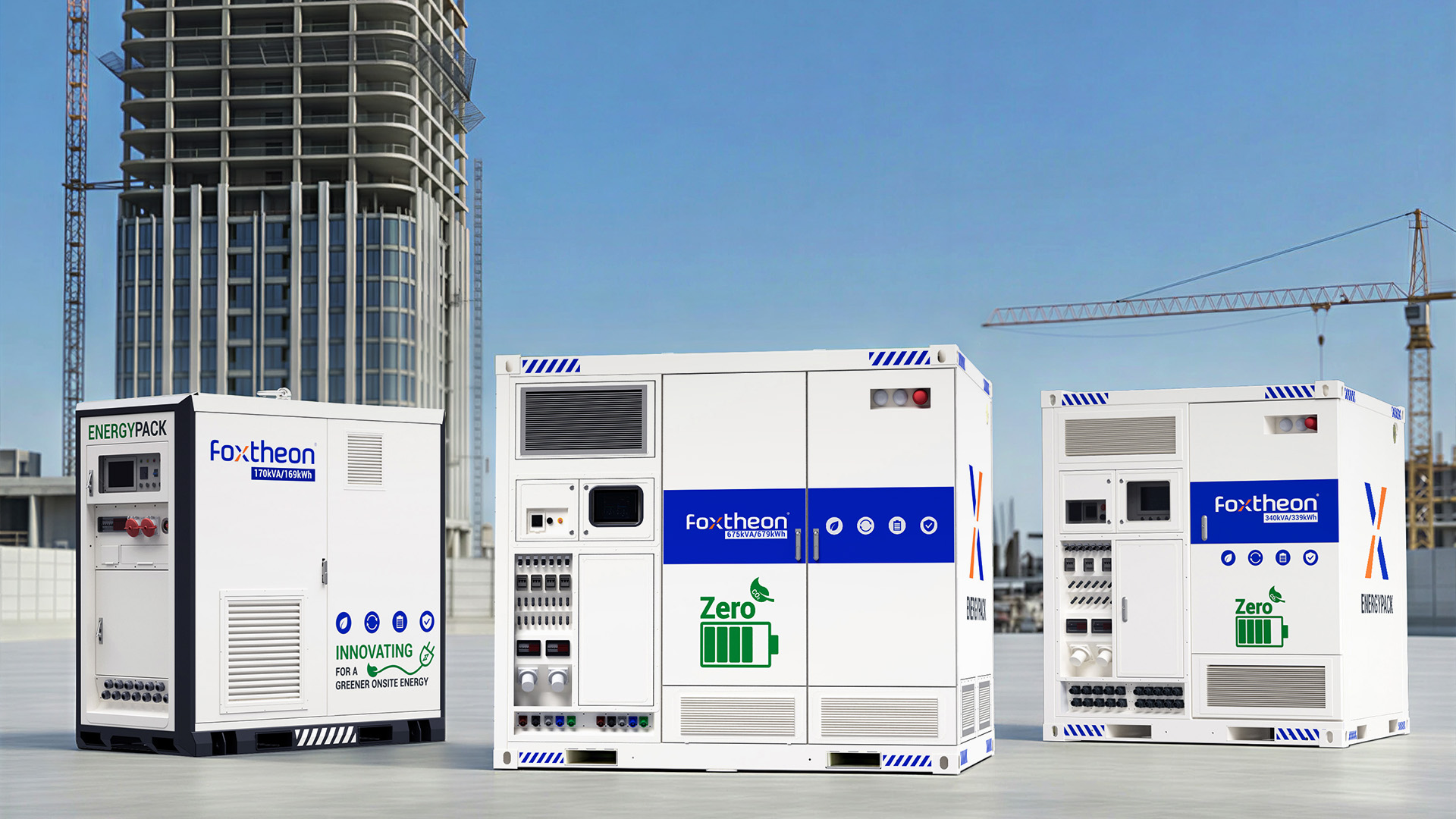
Industrial and commercial enterprises operate under complex power dynamics. Managing these systems requires precise, high-resolution data that goes far beyond simple utility billing metrics. For facilities operating multi-source microgrids—combining utility feeds, solar photovoltaics, and auxiliary generators—identifying the best energy monitoring system for high-demand operations is a necessity for maintaining operational integrity and managing utility demand charges.
Modern power infrastructure presents distinct electrical challenges, including transient voltage surges, phase imbalances, and harmonic distortion introduced by non-linear loads like variable frequency drives (VFDs) and high-density LED lighting. Addressing these anomalies requires a granular understanding of power flows. This technical analysis examines the structural, hardware, and protocol-level requirements of industrial-grade energy management systems, focusing on how procurement and engineering departments can source and integrate these tools.
Key Technical Challenges in Modern Industrial Power Networks
Industrial power distribution networks are prone to systemic inefficiencies that often go unnoticed without high-speed data acquisition. One of the most prevalent issues is phase current imbalance. In a three-phase system, uneven distribution of single-phase loads across the three phases leads to neutral current flow, overheating of distribution transformers, and reduced efficiency in three-phase motors. Resolving this issue requires real-time monitoring of individual phase currents and voltages to ensure balanced distribution.
Another major challenge is harmonic distortion. Non-linear power electronic devices distort the sinusoidal voltage and current waveforms. Total Harmonic Distortion (THD) in voltage and current must be tightly monitored; high THD levels cause premature insulation breakdown in motors, nuisance tripping of circuit breakers, and false readings in basic metering equipment. A high-specification monitoring setup captures up to the 50th harmonic, allowing engineers to deploy active or passive harmonic filters at the exact point of common coupling.
In addition to harmonics, transient events such as voltage sags, swells, and sub-millisecond interruptions can halt automated production lines, leading to lost batches and equipment damage. Standard utility meters lack the sampling frequency required to capture these rapid phenomena. Monitoring hardware must utilize high-frequency sampling to register sub-cycle transients and provide diagnostic waveforms for post-event root-cause analysis.
Technical Parameters of the Best Energy Monitoring System
To address complex electrical issues, the system architecture must be divided into three core layers: physical data acquisition (sensors and meters), communication gateways, and software visualization/analytics engines. Selecting the best energy monitoring system requires verifying that each layer matches the environmental and electrical tolerances of your specific application.
Hardware Precision: Sensors, CTs, and Panel Components
Data accuracy begins at the point of measurement. Current Transformers (CTs) and Rogowski coils serve as the primary sensors for current measurement. Split-core CTs are preferred for retrofit installations because they clamp around existing conductors without requiring wiring disconnection. However, for applications requiring high accuracy, solid-core CTs offer superior magnetic coupling and minimal phase angle error.
The core material of the CT determines its performance across different frequency bands. Standard silicon-steel cores are suitable for 50/60 Hz fundamental measurements, but nanocrystalline or nickel-alloy cores provide the magnetic permeability needed to measure high-frequency harmonics accurately. For high-current busbars, Rogowski coils offer a flexible, non-saturating alternative, though they require integrator circuits to convert the rate-of-change voltage output into a standard current signal.
The physical meters housing the analog-to-digital converters (ADCs) must be robust. Industrial panel meters should feature:
- Dual-core microprocessors capable of true-RMS calculation.
- Analog-to-digital conversion with at least 24-bit resolution to capture subtle signal variations.
- Polycarbonate or die-cast aluminum enclosures with IP65-rated front panels for resistance to dust and moisture ingress.
- Nickel-plated copper terminals to prevent oxidation and maintain low contact resistance over decades of operation.
- Compliance with IEC 62053-22 Class 0.2S or Class 0.5S standards for active energy metering accuracy.
These robust physical specifications are a key prerequisite for deploying the best energy monitoring system in harsh industrial conditions, such as chemical processing plants, coastal marine environments, or high-temperature manufacturing floors.
Communication Protocols and Interoperability
Data collected at the meter level must be aggregated and transmitted to edge controllers or cloud platforms without data loss. Industrial environments present high electromagnetic interference (EMI) from high-voltage cabling and switching transients, making robust communication protocols vital.
RS-485 serial communication running Modbus RTU remains a common standard due to its noise immunity over long distances when utilizing shielded twisted-pair cabling. For high-speed applications and larger installations, Modbus TCP over Industrial Ethernet is standard. Modern systems also leverage protocols like BACnet/IP for building automation integration or MQTT (Message Queuing Telemetry Transport) for low-bandwidth, resilient telemetry transmission to cloud databases. These systems must be compatible with advanced platforms such as Foxtheon energy solutions to facilitate coordinated control of hybrid power assets.
Application Scenarios: Where High-Precision Monitoring Meets Operational Reality
The utility of high-resolution energy data varies significantly across different operating contexts. Understanding these applications helps engineers tailor their monitoring systems to target specific operational challenges.
Commercial & Industrial (C&I) Microgrids
C&I facilities increasingly deploy onsite generation, such as rooftop solar PV arrays, battery energy storage systems (BESS), and reciprocating engine generators. Managing these assets requires sub-second monitoring of power flows at the point of common coupling (PCC) to prevent reverse power flow into the utility grid, which is often prohibited by interconnection agreements. The monitoring system must dynamically track solar irradiance drops and calculate the instantaneous reserve capacity of the battery bank to ensure seamless islanding when grid disturbances occur.
Remote Construction and Mining Sites
In off-grid locations, power reliability is maintained through hybrid microgrids. These sites feature highly variable loads from heavy machinery, such as rock crushers and tower cranes, which cause massive starting current inrushes. High-speed energy monitoring helps identify these peaks, allowing the microgrid controller to utilize battery power for peak-shaving. This reduces the mechanical strain on auxiliary generators and prevents voltage drops that could trigger site-wide blackouts.
Telecom Infrastructure and Edge Data Centers
For decentralized telecom towers and small-scale data centers, continuous uptime is mandatory. Here, the energy monitoring system focuses on power quality and battery health. By monitoring the direct current (DC) distribution bus and tracking the state-of-health (SoH) of lithium-ion or lead-acid backup batteries via internal resistance measurements, the system can predict battery failure before an outage occurs, reducing maintenance dispatches.
Evaluating Suppliers and Sourcing Criteria
When evaluating the market for the best energy monitoring system, procurement teams must look past basic software interfaces and assess the underlying hardware reliability and integration support.
A primary selection metric is the calibration standard of the hardware. Meters should carry independent certifications from laboratories like UL, CE, and KEMA. The system’s modularity is equally important; a proprietary system that restricts the use of third-party CTs or software platforms creates long-term operational risks. Opt for open-architecture systems that support standard sensor outputs (such as 0-5A, 0-333mV, or Rogowski inputs) and provide fully documented Modbus register maps or open APIs for custom software integration.
The table below outlines key technical specifications to compare during the vendor evaluation phase:
| Specification Parameter | Standard Requirements | High-Performance Requirements |
|---|---|---|
| Active Energy Accuracy Class | IEC 62053-21 Class 1.0 | IEC 62053-22 Class 0.2S |
| Sampling Rate (per cycle) | 64 samples | 512 samples or higher |
| Harmonics Measurement | Up to 31st Harmonic | Up to 63rd Harmonic + Interharmonics |
| IP Rating (Front Panel) | IP52 | IP65 / IP67 |
| Supported Protocols | Modbus RTU Only | Modbus RTU/TCP, BACnet, MQTT, HTTPS API |
Integration with Hybrid Energy Systems
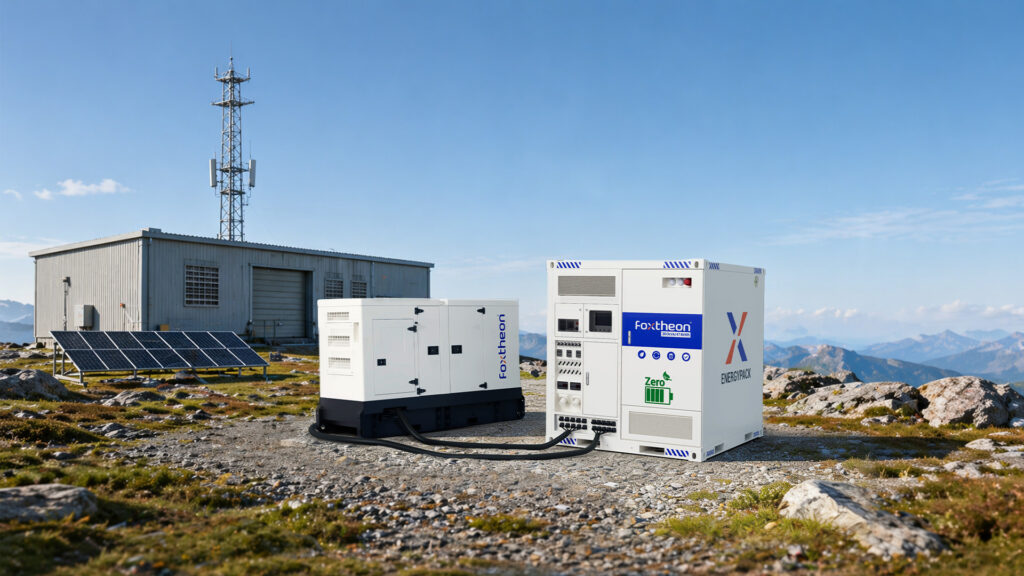
The integration of the best energy monitoring system with battery storage and solar inverters is what transforms passive data into active system optimization. In a hybrid setup, the monitoring system serves as the sensory organ of the overall Energy Management System (EMS). It provides the rapid feedback loop required to balance generation and load under changing meteorological conditions.
For example, hybrid power conversion systems engineered by Foxtheon handle these shifts by utilizing real-time monitoring data to coordinate power outputs between battery cells and solar arrays. When the monitoring system registers a sudden load spike, the EMS commands the battery inverters to discharge in sub-millisecond intervals, protecting the auxiliary generator from sudden loading. This coordinated control preserves generator health and maintains system frequency within safe operational limits.
Furthermore, this integration enables advanced load management strategies. If the monitoring system detects that solar output is dropping while battery reserves are low, it can trigger dry-contact relays to shed non-essential loads, such as HVAC systems or auxiliary pumping stations, preserving power for critical industrial processes.
Frequently Asked Questions
Q1: What key metrics define the best energy monitoring system for C&I applications?
A1: An industrial-grade system is defined by its measurement accuracy (IEC Class 0.2S), high sampling frequency (minimum 256 samples per cycle), capability to analyze up to the 50th harmonic, support for open industrial protocols (Modbus TCP/RTU, BACnet), and rugged physical design (IP65 front panels, wide temperature tolerance from -20°C to +70°C).
Q2: What is the difference between split-core and solid-core current transformers in practical application?
A2: Split-core CTs feature a separable core that allows installation without disconnecting the primary conductor, making them ideal for retrofitting operational panels. Solid-core CTs require threading the conductor through the window, but they offer superior magnetic core alignment, higher measurement accuracy, and lower phase shift errors, making them ideal for high-precision revenue-grade billing and detailed power quality analysis.
Q3: How does high harmonic distortion affect industrial electrical equipment?
A3: High harmonic distortion increases eddy current losses and hysteresis in transformers and motors, leading to severe overheating and insulation breakdown. It also causes neutral conductor overheating in three-phase systems, nuisance tripping of thermal-magnetic circuit breakers, and electronic component failures due to voltage waveform zero-crossing distortion.
Q4: Can a Modbus-based monitoring system integrate with older legacy equipment?
A4: Yes, legacy equipment lacking digital communication can be integrated using external transducers that convert analog signals (such as 4-20mA or 0-10V) or pulse outputs into Modbus registers. Alternatively, multi-protocol gateways can translate proprietary serial protocols from legacy controllers into standardized Modbus RTU or TCP streams for aggregation by the master monitoring system.
Q5: Why is sub-cycle transient monitoring necessary for modern facilities?
A5: Standard metering only records averaged parameters over seconds or minutes, missing transient overvoltages and micro-sags caused by grid switching or large load steps. Sub-cycle monitoring (sampling at kHz rates) captures these events, allowing engineers to diagnose power quality issues that cause automated logic controllers to reset, VFDs to fault, or sensitive robotic arms to drift.
Project Inquiry
For detailed technical consultations, system specifications, or customized engineering solutions. Contact the Foxtheon engineering team .