
A site may need substantial power for a few minutes, a modest supply through the night, and reliable energy for everything in between. Choosing equipment from the highest load alone can miss how the site actually operates.
A hybrid battery energy storage system (BESS) is worth assessing when the timing of electricity demand does not match the capacity or permitted operating hours of the available supply. The starting point is the site’s constraint—not a battery size.
Is hybrid BESS right for your site? It may be a suitable option when you have short power peaks, a limited grid connection, or periods when a generator cannot run. The system must have enough discharge power, usable energy, and a realistic opportunity to recharge. A battery shifts energy in time; it does not create an additional energy supply.
01 / POWER
Short demand peaks
How high, how long, and how often does demand exceed the available supply?
02 / SUPPLY
A limited connection
Can the connection deliver enough energy across the whole operating cycle?
03 / TIME
Restricted generator hours
What must stay powered, and when can the battery recharge?
What does hybrid BESS mean in a site power system?
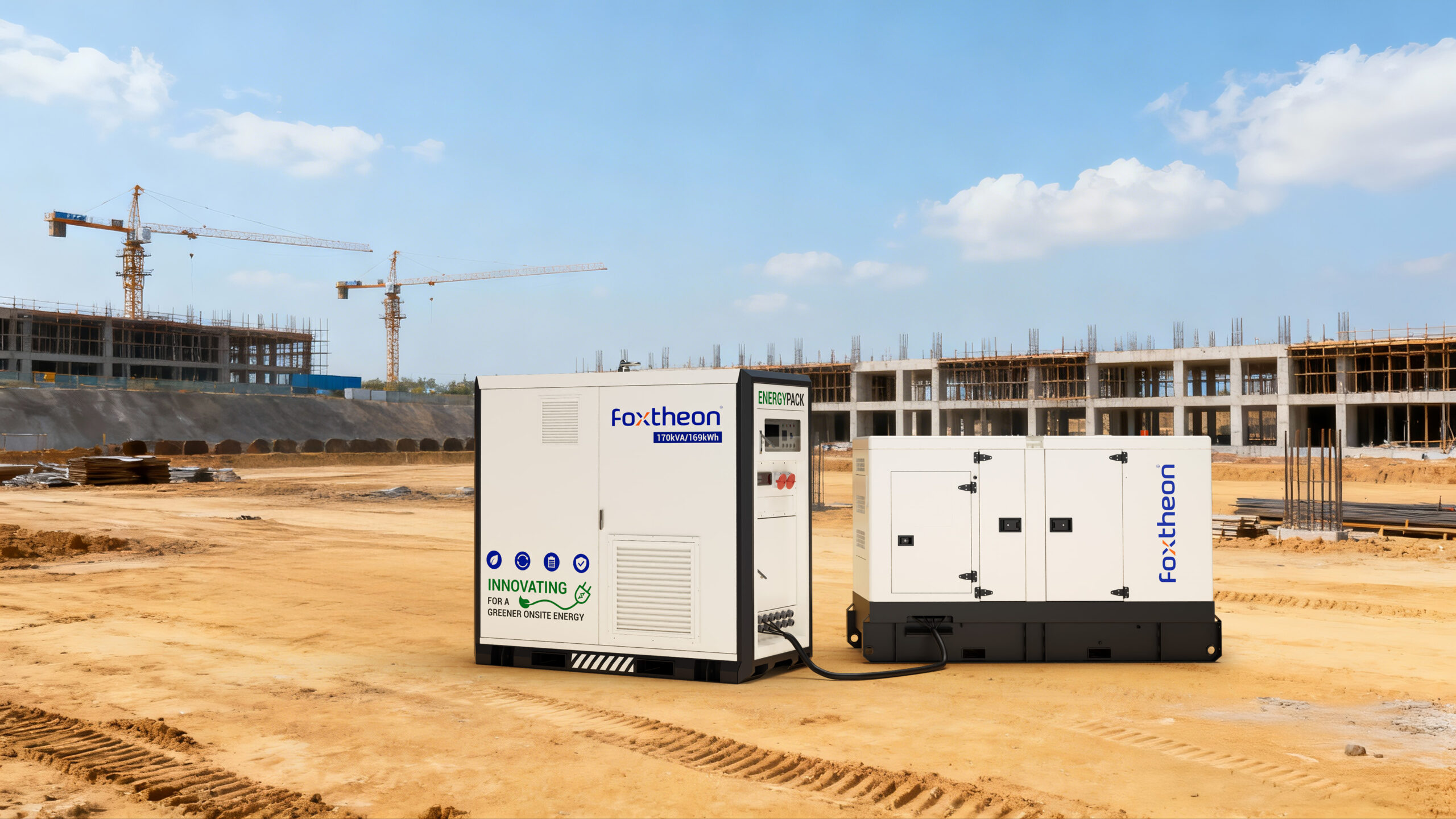
In this guide, hybrid BESS means battery storage coordinated with another power source, such as a diesel generator or the grid, and potentially solar. The battery supplies or absorbs power as the operating conditions change. Controls determine when sources run, when the battery charges, and how much reserve remains.
Two ratings matter. Power, measured in kW, describes how much demand the system can support at a moment in time. Energy, measured in kWh, describes how much electricity it can deliver over a period. A battery with sufficient kWh can still lack the power capability to start or run a particular load.
For the operating sequence of a generator-based system, see our generator and BESS hybrid power guide.
1. Does your site have short power peaks?
Hybrid BESS can be useful when peak demand is substantially higher than the normal running load and there is time to recharge between peaks. Examples can include intermittent lifting equipment, pumps, or several loads operating at once. The actual demand trace matters more than the equipment list alone.
Record the peak’s height, duration, and frequency. A seconds-long motor start is different from an elevated load lasting an hour. Both can exceed the source rating, but they place different demands on the inverter and battery.
- Power check: Can the inverter and connected source meet the combined load, including transient and apparent-power requirements?
- Energy check: How much energy is needed across each peak, and how many peaks occur before recharging?
- Recovery check: Is there spare source capacity between peaks after supplying the site’s other loads?
Ask the system supplier to verify motor starting, overload duration, protection coordination, and source compatibility. Do not assume that adding battery capacity automatically makes a smaller generator suitable.
2. Is the grid connection limited?
Battery storage can support demand above a connection’s power limit for a finite period, provided it can recharge within that limit at other times. This makes the distinction between a power constraint and an energy shortage essential.
If the connection can supply the day’s energy but cannot meet a short demand peak, storage may help redistribute that energy. If demand continuously uses the full connection capacity, there may be little or no energy available for charging. The battery will eventually deplete unless the load is reduced or another source is added.
Illustrative example: a short supply gap
A site draws 100 kW for 30 minutes while its connection can provide 60 kW. Assuming those levels remain constant, the battery would need to supply:
40 kW × 0.5 hours = 20 kWh
This is the energy delivered to the load during that one event, not the required battery nameplate capacity. The design must also account for conversion losses, usable state-of-charge limits, reserve, temperature, aging, and repeated events.
Example only—not a Foxtheon project result or equipment sizing recommendation. Recharging requires additional energy and available connection capacity.
Use interval meter data where available, with a time resolution suitable for the peaks being investigated. Confirm the site’s import limit and any applicable export restrictions. Storage does not increase the connection’s permitted capacity; the controls must keep operation within it.
3. Are generator operating hours restricted?
Hybrid BESS may support periods with the engine stopped when the battery can cover the required loads and recharge during the permitted operating window. This is relevant to sites with nighttime engine restrictions or long periods of low demand.
List the loads that must remain on, their expected running time, and any starting peaks. Separate essential loads from equipment that can be rescheduled. Then check the energy required for the entire restricted period, including a defined reserve for uncertainty.
The next question is often overlooked: what happens the following morning? The generator or grid must supply the operating loads and replenish the battery. A short charging window may require more charging power than the remaining source capacity can provide.
Engine-off operation removes engine noise during that period, but the complete installation may still have cooling or auxiliary noise. Check the relevant equipment data and local site requirements before describing an installation as silent.
When is battery storage alone not enough?
Some constraints call for load management, a different source configuration, or a supply upgrade. Use this initial screen before requesting a detailed proposal.
| Site condition | What to investigate |
|---|---|
| Brief peaks with lower demand between them | Peak support and the available recharge margin. |
| A known engine-off period with predictable essential loads | Usable energy, reserve, and the next charging window. |
| Demand exceeds supply for most of the day | Additional generation, a connection upgrade, or demand reduction. |
| Large or poorly understood starting loads | Measured transients and inverter/source compatibility before selection. |
| No dependable charging opportunity | A credible energy source and operating plan before adding storage. |
Even when the technical fit is good, compare total operating cost. Include equipment, fuel or purchased electricity, transport, maintenance, and expected utilization. Fuel savings depend on the actual load profile and control strategy; a percentage from another site is not a forecast for yours.
What should you prepare for a hybrid BESS assessment?
Start with four pieces of information: your application, current power setup, operating hours, and main constraint. These are enough to frame the discussion. A configuration proposal then needs more detail:
- A representative load profile, including peaks and overnight demand.
- Source ratings, connection limits, and periods when charging is available.
- Required engine-off duration, essential loads, and reserve expectations.
- Site conditions, electrical interfaces, and any operating restrictions.
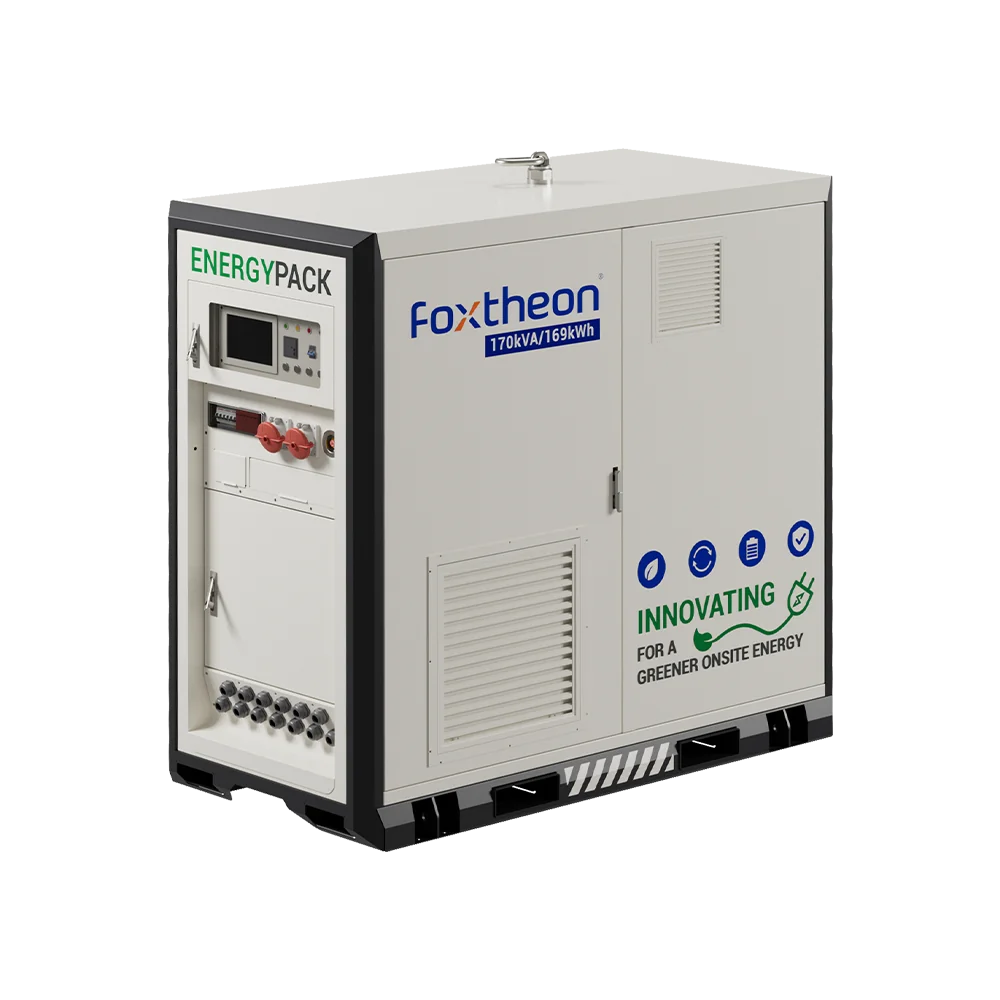
Foxtheon’s EnergyPack battery energy storage solutions and FoxMind energy management system can be discussed against these requirements. Product selection should follow the site assessment and compatibility checks.
Common questions about hybrid BESS suitability
Can hybrid BESS replace a diesel generator?
It can allow the generator to stop during suitable operating periods. Full replacement requires another dependable energy source and enough power and energy capacity for the required duty. Storage alone cannot supply an off-grid site indefinitely.
Can BESS help with a weak or limited grid connection?
It may help with a power-capacity limit when recharge capacity is available. Voltage or frequency quality problems require a separate assessment of the inverter, controls, and connection conditions; they should not be treated as the same issue.
What is the first number to check: kW or kWh?
Check both against the load profile. The required power determines whether the system can support the load; the required energy determines how long it can do so. Neither rating is a substitute for the other.
Start with your site’s constraint
Tell Foxtheon what you need to power, how it is supplied today, when it operates, and what is limiting the site. Share a load profile if you have one so the discussion can move from a general idea to an assessment of the operating requirements.