
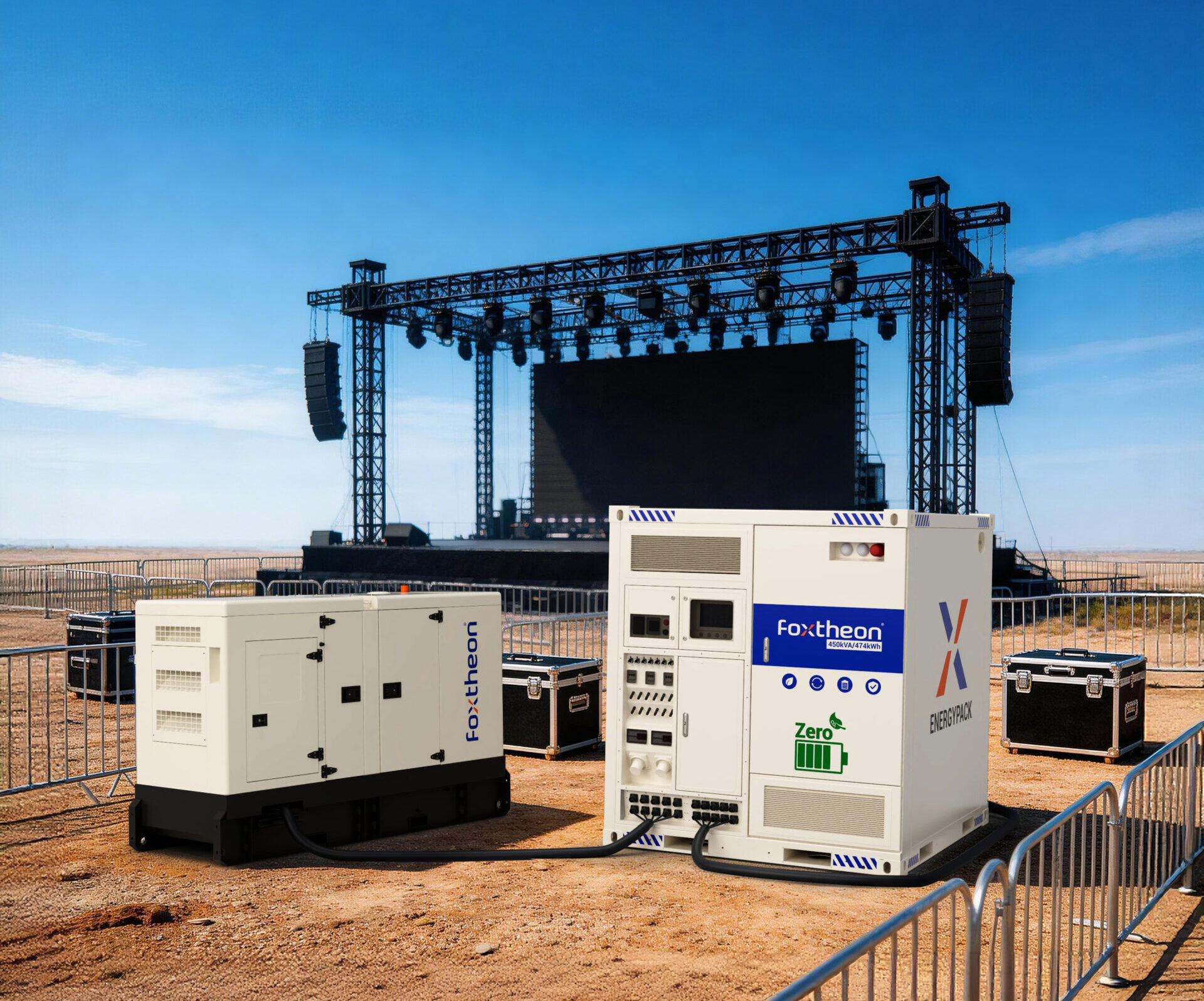
Industrial power networks demand high levels of reliability, voltage stability, and power quality. As commercial facilities incorporate complex electrical loads alongside renewable generation assets, modern energy management strategies rely heavily on robust hardware architectures. Deploying commercial and industrial electrical energy storage systems allows engineers to address load volatility, smooth intermittent generation, and maintain power continuous operation across complex manufacturing facilities and remote infrastructure.
To achieve high operational availability, modern system designers must evaluate the entire electro-mechanical stack. From the chemical composition of individual lithium cells to structural enclosure ratings, every component within an integrated energy system plays a decisive role in long-term reliability. Engineering teams, led by organizations like Foxtheon, emphasize multi-layered system integration to balance power density, thermal performance, and grid compliance without compromising safety or structural integrity.
Core Hardware Architectures and Cell Chemistry Dynamics
The core performance of energy storage equipment relies fundamentally on electrochemistry selection and cell physical formatting. System longevity, discharge performance, and thermal safety depend on matching the correct cell chemistry to operational duty cycles.
Electrochemistry Selection: LFP vs. High-Nickel Chemistries
Lithium Iron Phosphate (LiFePO4 or LFP) has established itself as the standard chemistry for stationary commercial and industrial deployments. LFP offers distinct technical advantages over high-nickel chemistries such as NMC (Nickel Manganese Cobalt):
- Thermal Stability: LFP exhibits a high thermal runaway threshold (approximately 270°C compared to NMC’s ~210°C), reducing exothermic reaction risk under thermal stress conditions.
- Cycle Longevity: LFP cells routinely deliver 6,000 to 10,000 deep discharge cycles at 80% Depth of Discharge (DoD) under nominal operating temperatures, outperforming high-nickel alternatives in heavy daily usage applications.
- Structural Integrity: The olivine crystal structure of LFP remains stable under repeated lithium-ion insertion and extraction, preventing volumetric expansion and cell swelling over time.
Enclosure Materials, Structural Integrity, and Protective Ratings
Extending cell life requires housing the battery modules in rugged protective enclosures. Exterior panels and structural frames must withstand harsh environment exposure, seismic activity, and industrial vibration.
- Structural Steel Selection: Heavy-duty commercial systems utilize cold-rolled galvanized steel or structural Corten steel for exterior cabinet construction, providing tensile strength and corrosion resistance.
- Surface Coating and Corrosion Resistance: Enclosures receive multi-layer powder coating treatments certified to ISO 12944 C4 or C5 corrosion classification standards, enabling deployment in coastal or highly polluted industrial environments.
- Ingress Protection: Outdoor cabinets are built to IP54, IP55, or IP65 (NEMA 3R / NEMA 4) standards, utilizing continuous EPDM gaskets to prevent dust ingress and water penetration.
- Thermal Insulation: Cabinet walls are built with internal rockwool or polyurethane insulation layers to limit solar heat gain and insulate the system from rapid ambient temperature fluctuations.
Thermal Management Systems: Liquid Cooling vs. Forced Air
Managing heat generation during charge and discharge cycles is crucial for maintaining system safety and minimizing capacity fade. Temperature imbalances across cell arrays lead to uneven degradation, reducing overall system availability.
High-power C&I deployments utilizing electrical energy storage systems rely on advanced thermal management strategies to keep cell temperature variance within tight tolerances.
Fluid Dynamics and Parasitic Load Calculations
While traditional forced-air cooling systems rely on high-CFM fans to push air across heat sinks, modern high-density systems increasingly adopt liquid cooling circuits. Liquid cooling offers significantly higher thermal transport capacity:
- Thermal Conductivity: Liquid coolants (typically a 50/50 ethylene glycol and water mixture) provide thermal conductivity approximately 24 times higher than static air, enabling rapid heat removal during high C-rate operation.
- Temperature Uniformity: Liquid cold plates positioned directly against cell walls maintain inter-cell temperature variances within ≤ 2°C to ≤ 3°C across the entire battery rack, compared to 5°C to 8°C variations observed in air-cooled racks.
- Auxiliary Power Efficiency: Liquid cooling reduces parasitic fan consumption, lowering self-consumption power losses during standby and low-load operational periods.
Thermal Runaway Mitigation and Fire Suppression Standards
Safety engineering requires a passive and active mitigation framework designed to contain thermal events before they spread across modules:
- Off-Gas Detection: Advanced gas sensor arrays monitor early stage off-gassing (detecting trace hydrogen, carbon monoxide, and electrolyte vapor) long before smoke or temperature spikes trigger traditional alarms.
- Clean Agent Suppression: Integrated fire suppression systems release agents such as FK-5-1-12 (Novec 1230) or FM-200 directly into sealed battery compartments to extinguish surface fires without causing short circuits.
- Deflagration Vents: Enclosure roofs incorporate calibrated explosion relief panels (deflagration vents) compliant with NFPA 68 and NFPA 855 standards, allowing controlled pressure release in worst-case scenarios.
Power Conversion Systems (PCS) and Grid-Forming Capabilities
The Power Conversion System (PCS) serves as the bi-directional electrical interface between DC battery strings and the AC industrial distribution bus. The topology and control algorithms of the PCS dictate how rapidly and accurately the storage system responds to power grid events.
Bi-directional Inverter Topologies
Modern commercial inverters utilize high-frequency switching topologies based on Silicon Carbide (SiC) MOSFETs or Insulated Gate Bipolar Transistors (IGBTs). Key features include:
- Bi-directional Energy Flow: Seamless dynamic transitions between rectification mode (charging DC batteries from AC grid) and inversion mode (discharging DC energy to AC loads) within millisecond response times.
- Low Harmonic Distortion: Pulse-Width Modulation (PWM) algorithms ensure Total Harmonic Distortion (THD) of output voltage remains under 3%, maintaining clean power for sensitive downstream industrial equipment.
- Wide DC Voltage Windows: Inverters are designed to handle flexible DC operating ranges (e.g., 600VDC to 1500VDC), maximizing system efficiency across the entire state-of-charge spectrum.
Microgrid Integration and Synchronous Condenser Functionality
When operating alongside existing local power sources, advanced electrical energy storage systems provide critical grid-support functions:
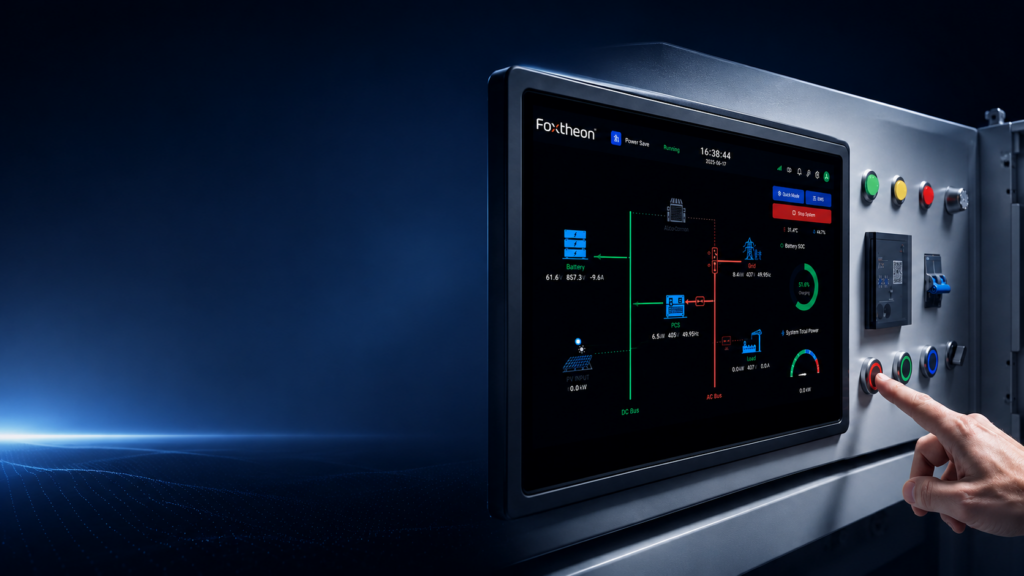
- Grid-Following Mode: The PCS synchronizes its AC output voltage and frequency with an established utility grid signal, delivering steady real power (P) and reactive power (Q) as commanded by the Energy Management System (EMS).
- Grid-Forming Mode: In islanded or off-grid scenarios, the PCS functions as a virtual synchronous generator, establishing voltage and frequency references to maintain stability across local microgrid buses.
- Black Start Capability: Advanced inverters provide independent voltage buildup, enabling facility operators to re-energize local distribution transformers and microgrids following total utility outages.
Application Scenarios Across Commercial and Utility Infrastructure
High-capacity storage systems are designed to support complex load profiles across a wide variety of commercial and industrial applications.
Peak Shaving and Load Profile Smoothing
Manufacturing facilities with heavy motor loads or arc furnaces experience severe demand spikes that strain local sub-stations. Deploying electrical energy storage systems allows facilities to discharge stored power during operational peak hours, flattening the facility load curve, stabilizing transformer thermal stress, and preventing voltage sags across high-load circuits.
Hybridization with Existing Distributed Generation Infrastructure
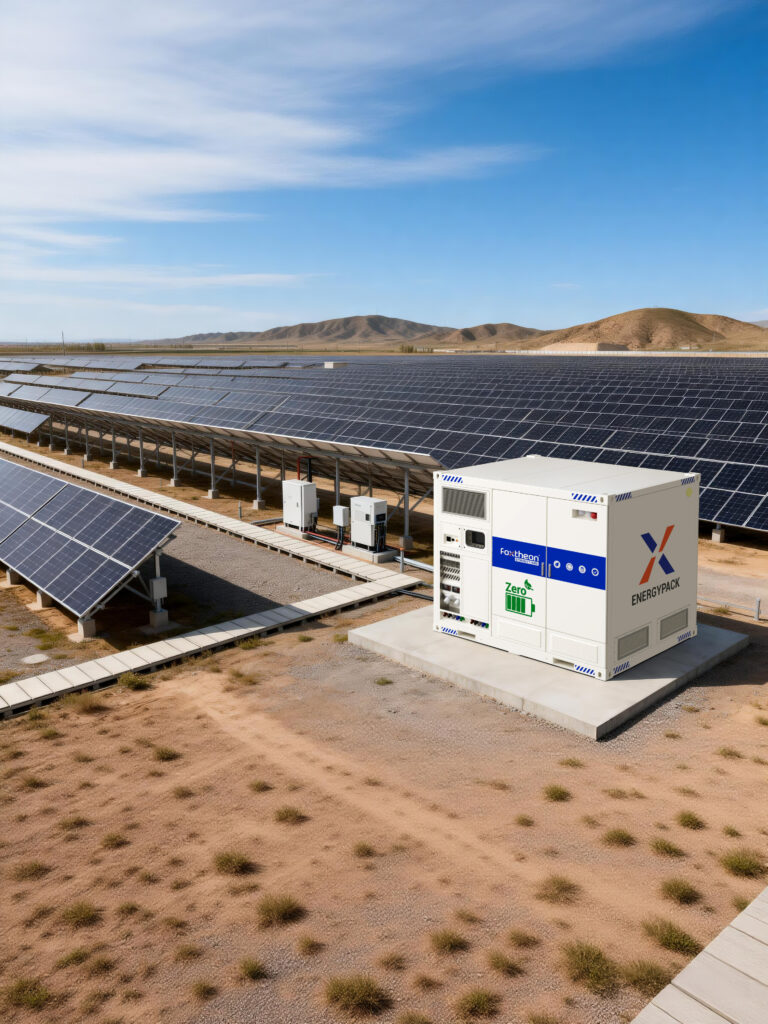
Commercial facilities operating local power infrastructure—such as rooftop solar arrays, wind turbines, or onsite thermal generation units—require steady power balancing. Storage hardware complements these existing assets by accepting excess generation during low-demand periods and supplementing power during cloud cover, wind drops, or sudden load steps. System solutions engineered by specialized manufacturers like Foxtheon assist facility operators in integrating these complex assets into unified, highly responsive power systems.
Technical Procurement Parameters and OEM/ODM Selection Criteria
Selecting enterprise-grade power hardware requires meticulous technical evaluation of manufacturer quality management systems, structural compliance, and testing protocols.
Evaluating Factory Quality Control Standards
Industrial procurement engineers must evaluate potential suppliers based on strict manufacturing standards to ensure long-term operational integrity:
- Cell Grading and Sorting: Vendors must verify that incoming lithium cells undergo 100% automated capacity sorting, internal resistance (IR) matching, and open-circuit voltage (OCV) testing to ensure tight pack balance.
- End-of-Line (EOL) Testing: Fully assembled cabinets should undergo full-power charge and discharge cycling, high-pot isolation testing, and thermal imaging inspection prior to factory dispatch.
- Quality Certifications: Manufacturing facilities must operate under ISO 9001 (Quality Management), ISO 14001 (Environmental Management), and ISO 45001 (Occupational Health & Safety) certified systems.
Supply Chain Compliance and Technical Sourcing Specifications
Global logistics and site safety approval demand comprehensive certification documentation. When evaluating industrial vendors, engineering teams must confirm adherence to international technical frameworks:
- System Safety Certifications: Compliance with UL 9540 (Energy Storage Systems and Equipment) and IEC 62933 safety standards.
- Battery Safety Standards: Testing documentation matching UL 1973 (Stationary Batteries) and IEC 62619 for industrial lithium cell safety.
- Thermal Runaway Propagation Testing: Certification under UL 9540A unit-level fire test reports, confirming that thermal events are successfully contained within individual modules or cabinets.
Through robust engineering practices, clear testing specifications, and partnerships with specialized technical suppliers like Foxtheon, enterprise operators can confidently deploy commercial electrical energy storage systems that support long-term grid stability and continuous power availability.
Frequently Asked Questions
Q1: What is the expected cycle life of commercial LFP energy storage systems under standard daily operational duty?
A1: Industrial LFP cells typically achieve between 6,000 and 10,000 full charge/discharge cycles when operated at 80% Depth of Discharge (DoD) under recommended thermal conditions (25°C). Maintaining operating temperatures through liquid cooling extends overall cell service life.
Q2: How does liquid cooling compare to forced-air cooling in high ambient temperature environments?
A2: Liquid cooling provides significantly higher heat transfer efficiency than air cooling, maintaining uniform cell-to-cell temperature differentials within ≤ 2°C even in hot ambient climates. This prevents localized hot spots within the battery enclosure and lowers parasitic auxiliary cooling loads.
Q3: What safety standards must commercial storage cabinets meet for indoor or urban facility installations?
A3: Key standards include UL 9540 (system-level safety), UL 1973 (battery module safety), IEC 62619, and UL 9540A thermal runaway propagation testing. Installations must also comply with NFPA 855 guidelines regarding spatial separation, fire protection, and deflagration venting.
Q4: How quickly can a grid-forming PCS respond to a sudden loss of utility power?
A4: Modern bi-directional inverters equipped with grid-forming control algorithms can transition from grid-following mode to islanded grid-establishment within 10 to 20 milliseconds, preventing voltage collapse across sensitive commercial equipment.
Q5: Why is cell-level internal resistance (IR) matching critical during pack manufacturing?
A5: Internal resistance matching ensures uniform current distribution across parallel-connected cells and balanced voltage drop during heavy discharge. Proper cell grading prevents individual cells from overheating or over-degrading prematurely, maintaining complete pack capacity.
For tailored technical specifications, detailed system integration guides, or customized OEM/ODM design engineering, submit your technical requirements via our direct inquiry portal: Foxtheon Technical Sales & Application Engineering Inquiry.