
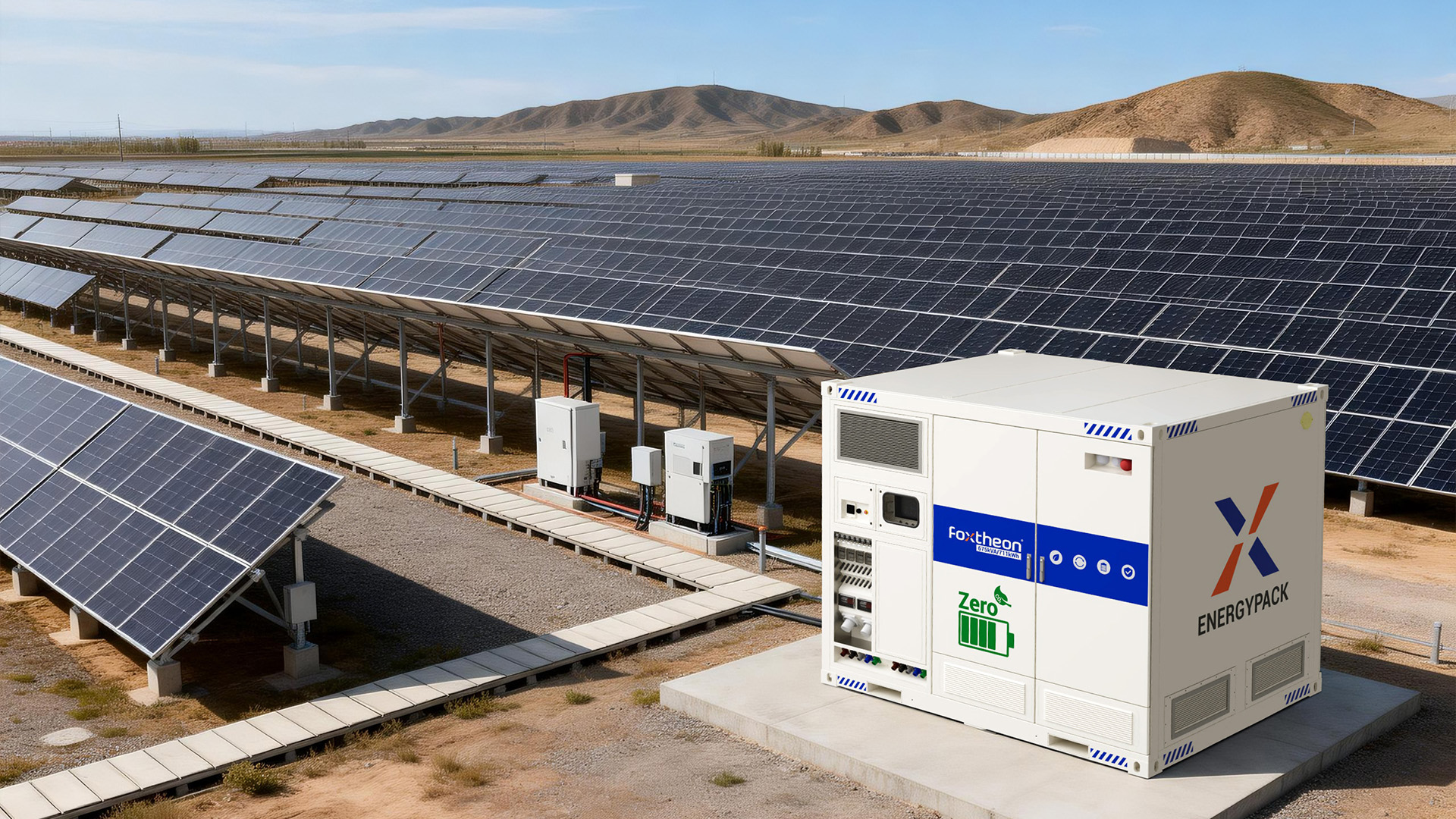
The global transition toward distributed energy architectures has shifted power storage technology from a niche backup application to a foundational infrastructure component. Industrial operations, remote utility sites, and commercial facilities increasingly rely on stationary battery systems to manage peak demand, stabilize local distribution grids, and optimize multi-source generation. Evaluating system procurement requires an understanding of the technical factors that shape the overall energy storage price. Rather than viewing equipment costs in isolation, system integrators and asset managers must analyze component-level engineering, modular hardware designs, material indices, and installation variables that define capital requirements.
As premier energy solution providers such as Foxtheon advance hybrid and distributed power architectures, hardware platforms have become more modular, efficient, and tailored to off-grid and remote operating environments. Understanding how cell chemistry, power conversion, structural engineering, and integrated solar solutions interact allows enterprise buyers to optimize equipment selection while maintaining power quality and operational continuity.
1. Component-Level Engineering and Its Impact on Hardware Valuation
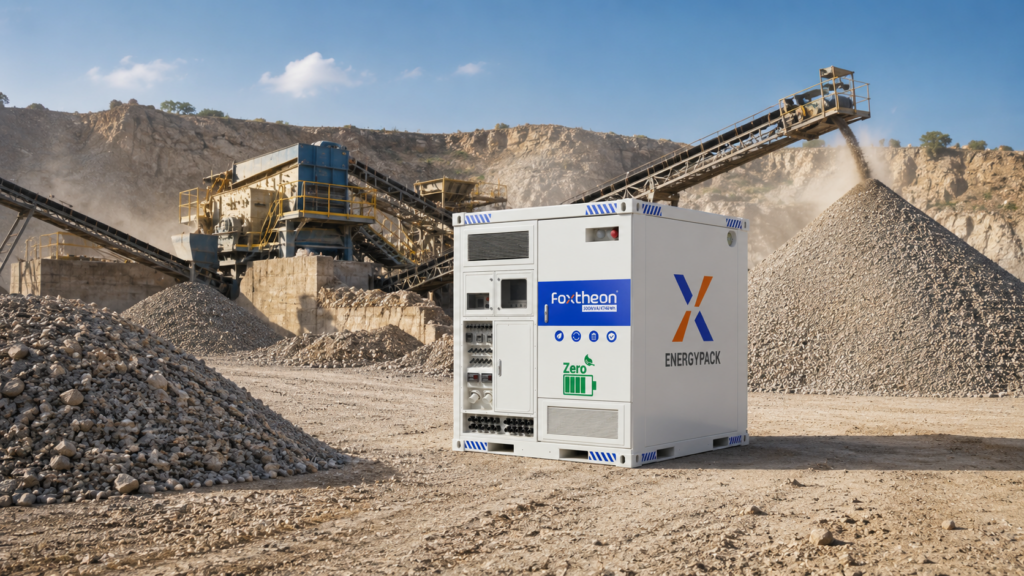
The sub-assemblies within a industrial-grade or commercial stationary storage system directly dictate overall manufacturing expenses. System capital outlay is distributed across the battery module stack, power conversion apparatus, software control systems, and environmental enclosure protection.
Battery Cell Chemistry and Cathode Material Economics
Lithium Iron Phosphate (LFP) has established itself as the standard chemistry for stationary power storage due to its operational stability, thermal resistance, and long lifecycle characteristics. The raw material processing for lithium carbonate, iron, and phosphate forms the baseline material input cost. Premium LFP cells operate between 6,000 to 10,000 cycles at 80% Depth of Discharge (DoD), providing consistent capacity retention over long operational horizons.
Cell geometry—specifically prismatic designs compared to cylindrical or pouch formats—also impacts packaging efficiency and thermal performance. Prismatic cells are widely specified in commercial platforms due to their structural durability, efficient volumetric space utilization, and streamlined internal busbar interconnectivity, which reduces manual assembly labor and lowers the baseline unit energy storage price.
Power Conversion Systems (PCS) and Inverter Topologies
The Power Conversion System (PCS) serves as the bidirectional power interface between the direct current (DC) battery stack and the alternating current (AC) distribution bus. Advanced PCS designs incorporate key technical features that influence equipment valuation:
- Semiconductor Design: Silicon Carbide (SiC) MOSFET switching devices deliver operational conversion efficiencies exceeding 98.5%, offering higher thermal endurance compared to traditional Insulated Gate Bipolar Transistor (IGBT) modules.
- Architecture Topologies: Centralized power conversion units provide cost efficiency for single-point utility interfaces, whereas decentralized string inverters offer granular fault isolation, modular redundancy, and simplified maintenance routines.
- Grid-Forming Control Capabilities: Inverters programmed with droop control and virtual synchronous generator algorithms can establish stable voltage and frequency references in islanded or off-grid networks, requiring elevated hardware processing headroom.
Thermal Management Implementations: Air vs. Liquid Cooling
Thermal regulation directly governs cell capacity degradation rates and operational efficiency. Enclosure thermal design contributes significantly to overall manufacturing and deployment costs.
Air-cooled systems utilize forced-convection HVAC units. While mechanically straightforward, air cooling presents lower heat transfer coefficients, leading to localized thermal gradients across large cell configurations. Liquid-cooled systems circulate dielectric fluids or water-glycol mixtures through cold plates integrated directly into the module stack. Liquid cooling maintains thermal uniformity across large cell arrays within ±2°C, minimizing parasitic auxiliary power consumption and enabling higher continuous C-rate output. Although liquid cooling increases upfront enclosure engineering costs, it significantly enhances power density and long-term operating consistency.
2. Integrated Off-Grid and Hybrid Microgrid Architectures
Off-grid power stations, construction sites, and remote industrial facilities require versatile power systems that unify generation and storage capabilities into cohesive operational units.
Distributed Generation and Integrated Storage Systems
Deploying distributed power supply configurations simplifies remote power infrastructure. Integrated systems like the HybridPack combine on-site power generation and energy storage into unified enclosure units. Designed for off-grid power stations and remote operations, this architecture coordinates diverse supply sources—including existing fuel-powered generators and solar arrays—to maintain continuous output while managing dynamic operational loads.
Combining high-capacity storage platforms with distributed power management reduces system operational hours on mechanical generation equipment. The high-performance EnergyPack storage platform operates as a central power management node in remote locations. When deployed alongside the HybridPack, these integrated units form a hybrid power generation system that balances instantaneous load variations, buffers peak energy demands, and lowers the blended energy storage price per kilowatt-hour delivered in off-grid environments.
Rapidly Deployable Auxiliary On-Site Solar Generation
Incorporating renewable generation into off-grid microgrids reduces dependence on fuel transport logistics. Portable solar panel architectures, such as the SolarPad, provide straightforward on-site energy generation for outdoor electrical construction projects, temporary power sites, and remote infrastructure setups.
Features and technical advantages of portable solar generation platforms include:
- Low Acquisition and Setup Overhead: Streamlined mounting frames allow rapid field deployment without requiring permanent civil ground foundations or concrete pads.
- Direct Auxiliary Integration: Direct connection to energy storage systems like the EnergyPack provides continuous daytime battery charging, extending total off-grid system autonomy.
- Modular Field Expansion: Interconnectable panel strings enable site engineers to scale PV generation capacity in direct proportion to seasonal load changes or site expansion requirements.
3. Balance of Plant (BOP) and Enclosure Safety Systems
In addition to battery modules and core generation hardware, structural safety features, electrical switchgear, and environmental protection systems represent a substantial portion of site procurement budgets.
Safety Standards and Containment Engineering
Industrial storage enclosures must comply with comprehensive international safety protocols, including UL 9540, UL 9540A, and NFPA 855 standards. Achieving compliance requires integrated sub-systems that increase engineering precision:
- Multi-Stage Fire Suppression: Clean-agent gas system integration combined with localized water deluge pipework for secondary thermal management.
- Off-Gas Sensor Networks: Early-warning gas detectors capable of sensing hydrogen and carbon monoxide emissions prior to thermal escalation events.
- Pressure Relief Vents: Directional deflagration panels designed to safely release internal pressure buildup away from personnel corridors and adjacent electrical assets.
Adhering to these rigorous enclosure standards ensures long-term operational integrity across all field conditions. Engineering companies such as Foxtheon build these structural protections directly into containerized equipment frameworks, ensuring regulatory compliance across global jurisdictions.
Electrical Interconnection and Medium-Voltage Switchgear
Connecting storage architectures to medium-voltage distribution buses (such as 11kV, 22kV, or 33kV lines) requires step-up transformers, vacuum circuit breakers, disconnect switches, and protective relay networks. Containerized transformer substations simplify site layout design, reducing field assembly requirements and streamlining high-voltage grid interconnection protocols.
4. Operational Sizing Parameters and System Cost Relationships
A facility’s specific load profile determines the engineering configuration, sizing parameters, and equipment specifications of the energy storage platform, directly impacting total system acquisition outlay.
C-Rate Sizing and Discharge Duration
The C-rate defines the charge or discharge speed relative to the system’s total rated energy capacity. A 0.5C configuration delivers its full capacity over two hours, whereas a 1C system provides full power output within one hour. Applications requiring rapid burst capacity—such as crane load smoothing or motor start-up assistance—demand high-power 1C to 2C systems built with heavier copper busbars, high-capacity switchgear, and advanced thermal cooling loops. Consequently, high-rate power systems exhibit a higher unit energy storage price compared to long-duration storage platforms (0.25C to 0.5C) optimized for continuous multi-hour energy shifting.
Capacity Degradation and System Oversizing Strategies
Battery cell capacity naturally degrades over operational lifecycles as a result of solid electrolyte interphase growth, mechanical stress, and internal chemical wear. To maintain guaranteed output capacity over a project’s target design life, procurement strategies utilize two primary approaches:
- Initial Nameplate Oversizing: Installing excess battery capacity at project commencement (e.g., specifying 125% of required end-of-life capacity) to accommodate expected degradation without mid-life hardware additions.
- Staged Capacity Augmentation: Designing module enclosures with open rack space to allow retrofitting of additional battery units at scheduled operational intervals (e.g., Year 5 or Year 8).
Initial oversizing increases the initial project investment, whereas planned augmentation spreads capital outlays over the operational lifespan of the installation.
5. Supply Chain Factors and Procurement Evaluation Frameworks
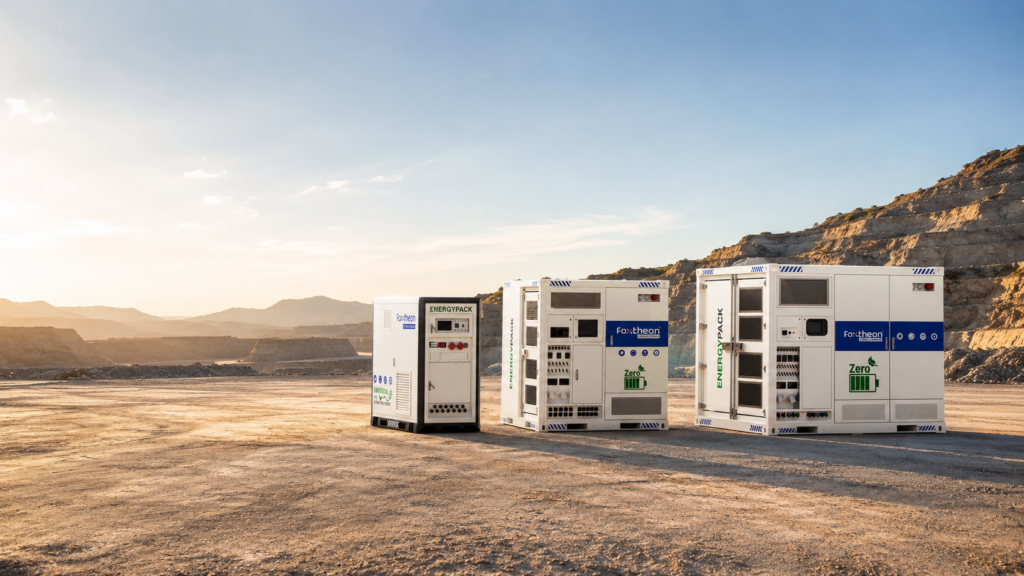
Raw material sourcing indices and global manufacturing logistics influence equipment costs across the energy storage sector. Evaluating equipment providers requires looking beyond upfront price quotes to assess long-term technical support and system reliability.
Upstream market prices for refined lithium hydroxide, lithium carbonate, structural steel, and electrical-grade copper form a baseline cost structure for equipment manufacturing. Leading system original equipment manufacturers (OEMs)—such as Foxtheon—utilize streamlined supply chains and automated module assembly lines to optimize operational efficiency and deliver consistent product quality across global deployments.
When evaluating storage vendors and system quotes, technical procurement teams should apply a comprehensive verification framework:
- Quality Assurance Testing: Verification of Factory Acceptance Testing (FAT) standards, insulation resistance monitoring, and comprehensive cell-balancing verification prior to factory dispatch.
- Advanced Control System Protocols: BMS and EMS platforms supporting open communication architectures (such as Modbus TCP, CANbus, and IEC 61850) to allow seamless integration into centralized supervisory control and data acquisition (SCADA) networks.
- Modular System Expandability: Equipment configurations that support modular scaling enable sites to expand generation and storage capacity incrementally as operational demand grows, maintaining an efficient energy storage price relative to expanded power requirements.
- Environmental Field Durability: Ingress protection ratings (e.g., IP55 or IP65), anti-corrosion coatings for coastal environments, and operating temperature tolerance across extreme climates.
Frequently Asked Questions (FAQ)
Q1: How does system C-rate impact the total acquisition outlay for an energy storage installation?
A1: Higher C-rate systems require elevated current handling capacities, heavier copper busbar interconnections, expanded power conversion system (PCS) units, and active liquid cooling systems. These structural requirements increase the hardware investment per kilowatt-hour compared to lower-rate systems engineered for long-duration energy shifting.
Q2: What operational benefits do integrated hybrid power systems offer for off-grid operations?
A2: Integrated hybrid systems unite on-site generation sources with localized battery storage. Platforms like the HybridPack coordinate diverse power inputs to minimize generator runtime, optimize load efficiency, lower fuel consumption logistics, and ensure stable voltage output for remote facilities.
Q3: How do portable solar solutions like SolarPad complement stationary energy storage platforms?
A3: Portable solar systems provide straightforward daylight energy generation that can be rapidly set up on construction sites or temporary projects. Connected directly to energy storage equipment such as EnergyPack, they supply continuous supplementary power that reduces total fuel reliance without requiring permanent civil installation works.
Q4: Why does raw material pricing cause variation in global energy storage price indices?
A4: Battery cell manufacturing costs are tied to market indices for key raw materials, including refined lithium, nickel, cobalt, copper, and enclosure-grade steel. Fluctuations in these raw commodity markets directly influence cell production costs and finished battery system pricing worldwide.
Q5: How does active liquid cooling improve long-term system capacity retention?
A5: Active liquid cooling maintains consistent uniform temperatures across individual cells in high-density modules, keeping thermal variance within narrow limits (±2°C). Controlling thermal spikes minimizes accelerated chemical degradation, extending overall battery operational life and maintaining high round-trip energy efficiency.
For detailed technical specifications, microgrid sizing calculations, or tailored commercial project proposals, submit your system operational requirements directly through the technical inquiry portal at Foxtheon.