
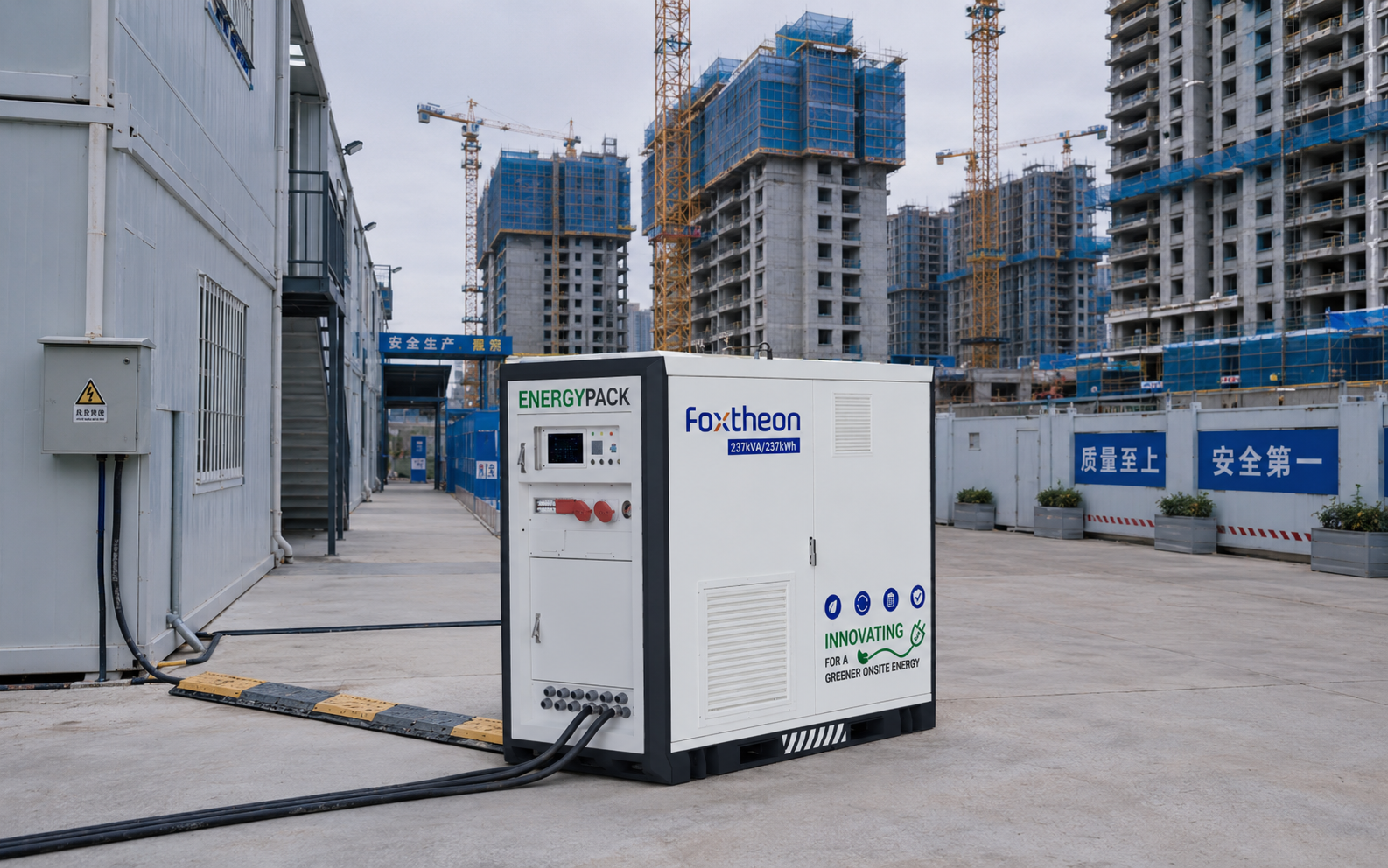
Autonomous industrial operations, remote telecommunication hubs, and off-grid processing facilities demand absolute electrical reliability without reliance on utility distribution networks. In these standalone topologies, energy storage systems function as the primary voltage and frequency reference point. Specifying off grid solar batteries requires an in-depth understanding of electrochemical behavior, charge-discharge dynamics, thermal resilience, and bidirectional inverter topology. Energy infrastructure engineers do not simply purchase energy blocks; they design resilient power nodes capable of sustaining continuous operational loads under variable irradiance profiles and dynamic load transients.
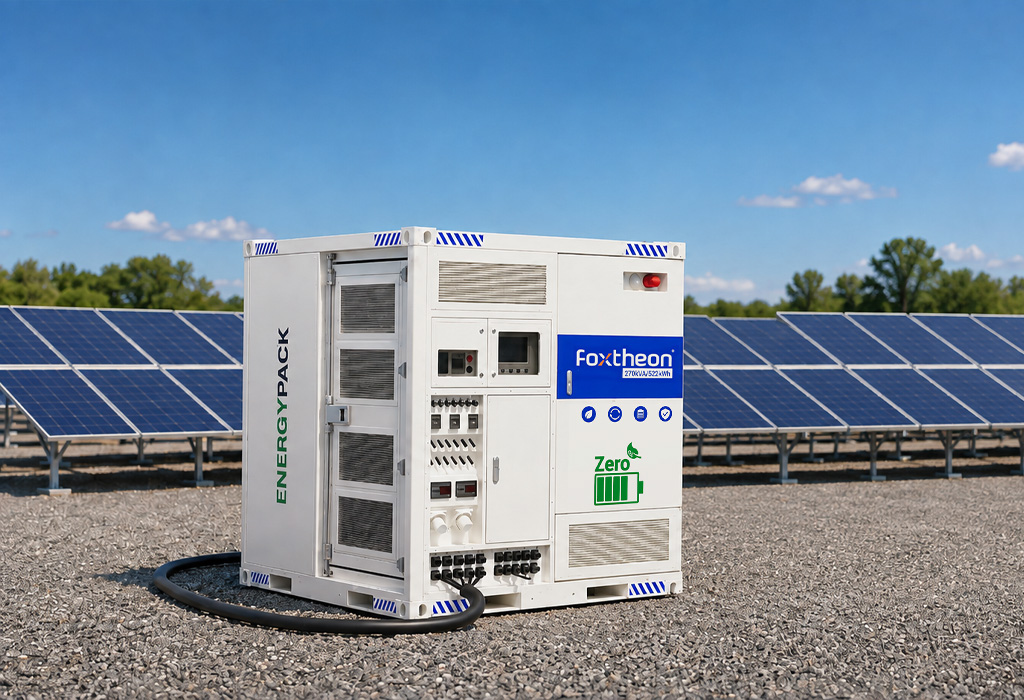
Electrochemical Topologies: Lithium Iron Phosphate vs. Alternative Chemistries
The operational profile of off-grid installations differs fundamentally from grid-tied peaking or backup configurations. Standalone storage units undergo continuous partial state-of-charge (PSoC) cycles, intermittent micro-cycles, and deep diurnal discharges. Selecting the appropriate chemistry governs longevity, footprint requirements, and thermal behavior across the asset lifecycle.
Lithium Iron Phosphate (LiFePO4) Dominance
Lithium Iron Phosphate (LiFePO4) has established itself as the baseline benchmark for stationary industrial installations. Operating with an olivine crystal structure, LiFePO4 demonstrates high structural stability under thermal and mechanical stress. The strong covalent bonding between phosphorus and oxygen atoms inhibits thermal runaway during elevated internal temperatures or overcharging scenarios. Furthermore, LiFePO4 cells support deep cycles (80% to 90% Depth of Discharge, or DoD) while delivering 4,000 to 8,000 cycles before capacity degrades to 80% of nominal value, depending on ambient operating conditions and continuous C-rates.
Lithium Titanate (LTO) in Niche High-Throughput Scenarios
In environments characterized by sub-zero ambient conditions (down to -30°C) and continuous high-rate charging requirements, Lithium Titanate (LTO) emerges as a secondary option. Replacing the standard graphite anode with nanocrystalline titanate eliminates solid electrolyte interphase (SEI) layer breakdown and dendrite formation during cold-weather charging. LTO cells easily exceed 15,000 to 20,000 cycles and sustain continuous 5C charge and discharge rates. However, their lower nominal cell voltage (2.3V compared to 3.2V for LiFePO4) requires larger series-connected strings and introduces volumetric density trade-offs.
Flow Batteries and Vanadium Redox Systems
For long-duration continuous discharge regimes exceeding 10 to 12 hours, Vanadium Redox Flow Batteries (VRFB) offer distinct decoupled energy and power scaling. The power capacity depends solely on the membrane stack surface area, while total kWh storage scales directly with electrolyte volume stored in external tanks. Because the active species remain dissolved in aqueous solutions without phase changes or structural lattice degradation, flow systems yield an operational lifespan exceeding 20 years. Despite these advantages, their mechanical complexity, parasitic pump losses, and lower round-trip efficiency (ranging from 65% to 75% compared to 92%+ for lithium-based platforms) limit their deployment to specific utility-scale off-grid installations.
Load Profiling, C-Rate Dynamics, and Inrush Current Sizing
A frequent design deficiency in microgrid engineering is sizing storage strictly on average daily kilowatt-hour consumption. Industrial off-grid loads are rarely linear; they include heavy inductive elements such as variable-frequency drives, submersible borehole pumps, HVAC compressors, and process conveyor belts.
When selecting off grid solar batteries, engineers must evaluate short-circuit withstand capabilities, peak burst discharge ratings, and internal series resistance (DC-IR). Motor starting currents can draw up to 600% of nominal full-load amperage for several hundred milliseconds. If an energy storage system exhibits high internal impedance, this transient inrush causes an immediate internal voltage drop (IR drop), potentially tripping low-voltage thresholds on bidirectional inverters and triggering an unintentional system blackout.
- Continuous C-Rate: Indicates the rate at which capacity is drained relative to nominal rating. A 100Ah battery discharged at 0.5C yields 50A continuous draw. Commercial systems designed by manufacturers like Foxtheon often optimize configurations between 0.5C and 1C to minimize thermal generation across internal busbars and limit accelerated SEI growth.
- P/V and Q/V Droop Control: Off-grid systems operate without the infinite inertia of a conventional synchronous utility grid. Battery management systems (BMS) must communicate directly with hybrid inverters to modulate real power (P) in response to frequency shifts and reactive power (Q) in response to voltage variances.
- State of Health (SoH) De-rating: System designers must calculate end-of-life battery sizing rather than relying on beginning-of-life (BoL) factory specifications. If a remote communication outpost demands 40kWh of operational reserves, and the selected lithium cells degrade to 80% capacity over 10 years, the initial deployment must be configured for at least 50kWh nominal capacity, adjusting further for ambient temperature de-rating.
Synchronization with Complementary Generation Assets
Modern microgrid design does not treat internal combustion gensets and renewable generation as mutually exclusive systems. Instead, hybrid system integration leverages the strengths of each component. Running a diesel or gas engine at low loads (below 30% to 40% of rated capacity) causes incomplete combustion, cylinder glazing, high fuel consumption, and premature maintenance interventions. Deploying high-capacity off grid solar batteries creates an operational buffer that stabilizes the loading profile of the entire generation asset group.
Under this integrated hybrid architecture, photovoltaic arrays handle base diurnal load and simultaneously recharge the storage system. When PV yield drops or high transient loads activate, the battery system immediately supplies dynamic balancing power without requiring the mechanical start of an engine. If the state-of-charge drops beneath an operator-defined threshold (e.g., 20% to 30%), the smart microgrid controller issues an automated dry-contact start command to the existing generator.
Once engaged, the generator operates within its sweet spot of peak thermal and mechanical efficiency (75% to 85% continuous loading). It supplies the operational facility load while running high-rate bulk charging through the bidirectional inverter directly into the battery array. This strategy curtails engine run hours, optimizes generator operating cycles, and extends oil and mechanical overhaul schedules without compromising system power quality.
Thermal Architecture and Enclosure Engineering for Severe Climates
Thermal stability directly governs capacity retention, coulombic efficiency, and system safety. Lithium battery cells operating in unconditioned ambient temperatures above 35°C experience accelerated side reactions within the electrolyte, elevating impedance and shortening functional service life. Conversely, attempting to charge cells below 0°C without active pre-heating triggers lithium plating on the graphite anode, permanently damaging cell integrity and creating internal electrical bridges.
Forced Air Cooling vs. Liquid Cooled Enclosures
Traditional installations use forced-air HVAC units to maintain interior container temperatures between 20°C and 25°C. While effective in temperate climates, air-based exchange exhibits low heat transfer coefficients, leading to thermal gradients between inner and outer cell modules in dense battery racks. Even a 5°C temperature delta between parallel-connected cells causes unequal internal resistance, resulting in unbalanced current distribution, premature capacity degradation of hotter cells, and premature system derating.
Advanced commercial platforms implement closed-loop liquid thermal management. Liquid-cooling plates routed along the wide surfaces of prismatic cells provide direct conduction. By leveraging water-glycol coolant circuits, these systems limit cell-to-cell thermal variations to less than 2°C to 3°C across massive energy storage arrays. Liquid cooling also minimizes parasitic HVAC auxiliary power consumption, maximizing the overall round-trip electrical efficiency of remote off grid solar batteries operating in arid or tropical regions.
Protective Enclosures and Environmental Ingress
Standalone sites often face corrosive maritime atmospheres, airborne sand, seasonal monsoons, and extreme thermal swings. Stationary containers housing sensitive multi-tier Battery Management Systems (BMS), high-voltage switchgear, and auxiliary contactors must feature robust enclosure ratings:
- Corrosion Resistance: Enclosure surfaces should feature C4 or C5-M industrial marine-grade multi-layer powder coating to counter salt-spray oxidation in coastal mining and island microgrids.
- Ingress Protection: External electrical cabinets require minimum ratings of IP55 to IP65, halting particulate ingress and heavy pressurized rain from entering electronics compartments.
- Cell-Level Safety Mitigations: Engineering designs must include pressure relief vents on prismatic cells, non-propagating aerogel barrier insulation between cells, and aerosol-based clean agent fire suppression systems integrated directly into BMS fault trip lines.
B2B Procurement and Tier-1 Engineering Criteria
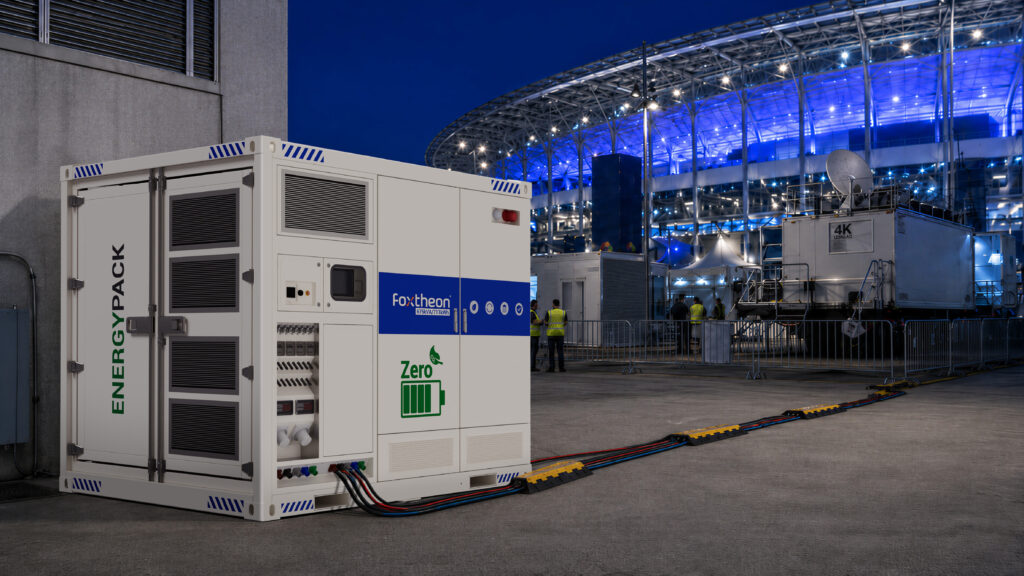
Procuring industrial-scale energy storage requires systematic verification of cell provenance, testing documentation, and quality management protocols. Enterprise buyers, EPC contractors, and distributor partners must vet manufacturing processes to prevent commissioning delays and field failures.
First, specify pristine Grade-A prismatic cells directly traceable via unique DataMatrix QR codes etched into the terminal base. These codes verify factory-measured internal resistance (AC-IR/DC-IR), initial capacity, and manufacturing batch numbers. Mixed cell lots or B-grade cells repurposed from consumer EV streams exhibit inconsistent degradation slopes that cause module imbalances within the first year of field deployment.
Second, verify comprehensive compliance with international safety and performance standards. Tier-1 manufacturing entities, such as Foxtheon, produce equipment built in compliance with stringent global engineering certifications:
- UL 1973: Evaluates battery systems for use in stationary energy storage applications, focusing on electrical, mechanical, and environmental abuse handling.
- UL 9540A: The gold standard for thermal runaway propagation testing. This destructive testing protocol verifies whether a thermal event originating in a single compromised cell is contained within the module without igniting neighboring cells or cascading through the rack.
- IEC 62619: Specifies technical requirements and tests for the safe operation of industrial lithium-based secondary cells and batteries under challenging industrial settings.
- UN 38.3: Mandatory international transport certification confirming that modules tolerate altitude, thermal shock, vibration, and external impact during global freight movement.
Integration versatility remains an additional technical differentiator. Standardized communication via isolated CANbus 2.0B, Modbus RTU, and Modbus TCP/IP protocols ensures native interconnectivity between the BMS, hybrid inverters, PV charge controllers, and supervisory SCADA monitoring hubs. Modular design allows parallel scaling of both storage capacity and inverter power outputs, allowing industrial operators to expand their microgrid capacity incrementally as production demands increase.
Specifying high-durability off grid solar batteries bridges the gap between intermittent renewable generation and continuous operational uptime. By selecting appropriate cell chemistries, balancing dynamic inrush requirements, maintaining strict thermal conditions, and integrating storage harmoniously alongside existing power assets, industrial project developers secure uninterrupted off-grid power operations.
Frequently Asked Questions
Q1: Why is cell balancing essential in high-voltage industrial battery racks?
A1: Over hundreds of cycles, minor manufacturing variations and temperature distributions cause cell voltages to drift apart. Without active or passive balancing managed by the BMS, the string capacity becomes constrained by the weakest cell. During charging, the highest cell trips the over-voltage cutoff prematurely; during discharging, the lowest cell trips the low-voltage cutoff. Cell balancing normalizes the state of charge across all series-connected cells, recovering usable storage capacity and halting accelerated degradation of individual cells.
Q2: How does temperature affect the continuous charging rate of off-grid lithium batteries?
A2: Sub-optimal temperatures restrict the diffusion rate of lithium ions within the electrode structures. Charging lithium cells at high currents below 5°C to 10°C creates high polarization, promoting the deposition of metallic lithium onto the anode surface rather than interstitial intercalation. This leads to permanent capacity reduction and internal short circuits. Sophisticated industrial systems automatically de-rate charging current based on thermal lookup tables programmed into the BMS, maintaining safe operating boundaries.
Q3: How do off-grid solar batteries interact with existing synchronized diesel generators?
A3: Modern energy storage systems integrate with generator assets through hybrid synchronization controllers. The battery can provide spinning reserve, instant frequency response, and load smoothing. By allowing the storage system to handle peak loads and absorb PV generation fluctuations, the generator operates within its optimal efficiency band. In advanced designs, the microgrid controller schedules generator operation strictly for bulk-charging modes, significantly reducing generator run-time and maintenance cycles without destabilizing the busbar voltage.
Q4: What is the primary operational difference between AC-coupled and DC-coupled off-grid systems?
A4: In DC-coupled systems, solar PV arrays connect directly to the battery bus via Maximum Power Point Tracking (MPPT) charge controllers. This setup delivers high efficiency for daytime battery charging since solar energy does not pass through DC-AC-DC conversion stages. In AC-coupled systems, grid-forming and solar inverters synchronize on a shared AC busbar. AC coupling is advantageous for operations where the majority of power consumption occurs during the daytime directly from the PV array, as well as for retrofitting storage into existing AC-distribution infrastructure.
Q5: What metrics determine the end-of-life (EoL) criteria for industrial off-grid energy storage?
A5: The industry standard benchmark defines End-of-Life when the battery capacity degrades to 70% or 80% of its initial nominal nameplate capacity, or when its internal DC resistance (DC-IR) increases by 100% relative to beginning-of-life baselines. While the battery can still operate past this threshold, its reduced capacity and increased thermal generation during heavy discharge cycles often fail to meet the strict runtime and voltage stability tolerances required by continuous industrial operations.
Commercial and Technical Inquiries
Enterprise project planners, microgrid developers, and procurement directors requiring technical sizing support, comprehensive single-line diagrams (SLD), and certified integration specifications for off grid solar batteries are invited to submit project parameters directly to the global engineering team through the Foxtheon project evaluation desk.