
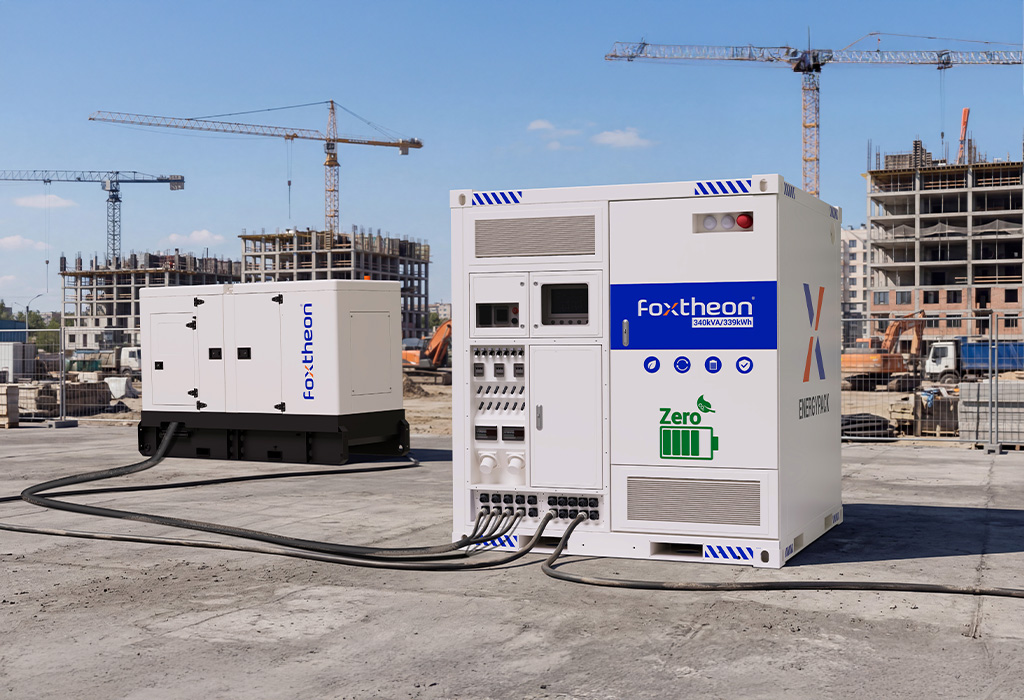
Industrial and commercial operations require uninterrupted electrical supply to prevent catastrophic data loss, equipment damage, and process interruptions. As facility infrastructure becomes increasingly electrified and complex, selecting the appropriate emergency power sources requires an in-depth understanding of power electronics, energy storage chemistries, system synchronization, and physical enclosure standards. Modern back-up power architectures must deliver immediate, high-fidelity electrical output while integrating smoothly with auxiliary diesel generators, solar photovoltaic arrays, and main utility feeds.
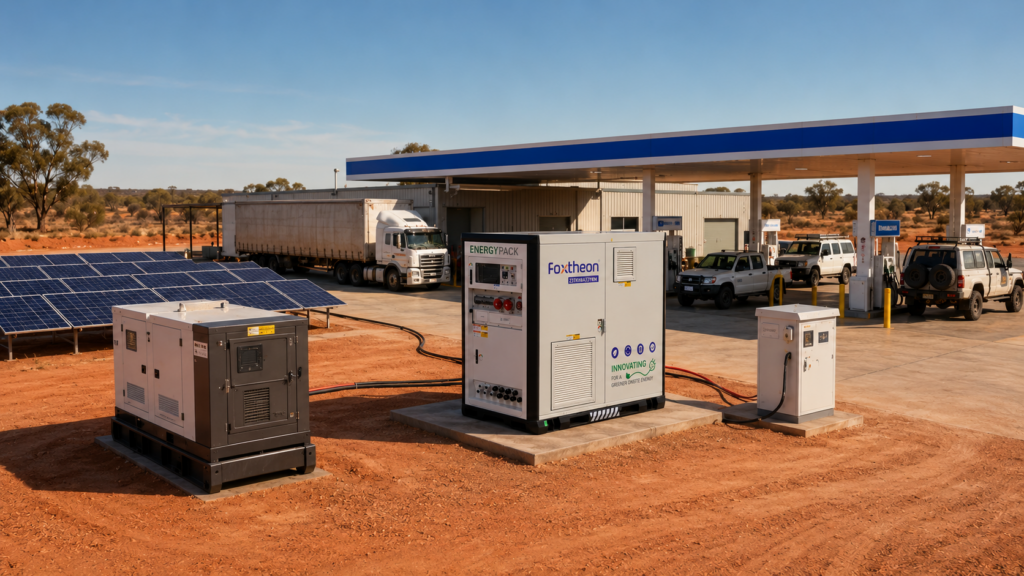
System Architecture and Inverter Topology in Backup Power Systems
The electrical topography of modern enterprise emergency power sources has shifted significantly from isolated, offline standby units toward sophisticated online double-conversion and hybrid interactive configurations. In a double-conversion architecture, incoming AC power is continuously rectified to DC to charge the energy storage media, then inverted back to high-purity AC power for the connected load. This continuous signal conditioning provides galvanic isolation, eliminating voltage sags, spikes, frequency variations, and harmonic distortion generated by upstream utility instabilities.
Transfer speed is a key metric defining system reliability during utility grid collapse. While standard Automatic Transfer Switches (ATS) introduce a switching delay ranging from 30 to 100 milliseconds—sufficient to disrupt sensitive IT infrastructure and automated industrial Programmable Logic Controllers (PLCs)—solid-state Static Transfer Switches (STS) achieve transfer times below 4 milliseconds. For zero-break requirements, continuous online inverter topologies eliminate transfer latency entirely by running the inverter active in parallel with grid inputs.
Energy Storage Chemistries: LFP vs. NMC Parameters
Selecting the secondary battery chemistry directly determines power density, thermal safety profile, and lifetime operational parameters of stationary energy storage units:
- Lithium Iron Phosphate (LiFePO4 / LFP): Offers high thermal stability with a thermal runaway threshold exceeding 270°C. LFP exhibits superior cycle life, routinely operating between 4,000 and 8,000 complete cycles at 80% Depth of Discharge (DOD). Its structural stability makes it ideal for stationary high-power industrial installations where footprint flexibility allows for slightly lower volumetric energy density.
- Nickel Manganese Cobalt (NMC): Provides elevated volumetric energy density (up to 250 Wh/kg at the cell level), making it suitable for space-constrained installations. However, NMC requires strict active liquid thermal management due to a lower thermal runaway threshold around 210°C and yields a shorter cycle lifespan (typically 2,000 to 3,500 cycles at 80% DOD).
Proper Battery Management System (BMS) design controls individual cell balancing, monitoring state-of-charge (SOC), state-of-health (SOH), and voltage thresholds across multi-string configurations to prevent overcharging or accelerated dendrite formation.
Application-Specific Load Profiling and Operational Challenges
Configuring scalable emergency power sources demands accurate characterization of operational load profiles. Facility power demands rarely present as uniform linear resistance; instead, industrial assets introduce complex reactive and nonlinear loads that strain backup power electronics.
Inductive Inrush Currents and Reactive Loads
Heavy motor loads, centrifugal pumps, HVAC compressors, and transformer units draw initial inrush currents six to ten times higher than their rated full-load running current. When specified incorrectly, these transient spikes trigger overcurrent protection circuits on power inverters, forcing immediate system shutdown during grid blackouts. System designers must account for crest factors and short-time overload limits—typically demanding inverters capable of sustaining 150% rated capacity for 30 seconds and 200% for short duration transients.
Nonlinear Loads and Total Harmonic Distortion
Variable Frequency Drives (VFDs), switched-mode power supplies, and medical imaging systems generate high-frequency harmonic currents back into the electrical distribution panel. High Total Harmonic Distortion (THD) increases resistive thermal losses in copper windings and distorts voltage waveforms. Advanced emergency power sources utilize multi-level pulse-width modulation (PWM) power conversion paired with active harmonic filters to maintain Total Harmonic Voltage Distortion (THDv) below 3%, preserving sensitive industrial instrument calibration.
Structural Engineering, Panel Materials, and Thermal Management
Physical durability and environmental isolation dictate the operational reliability of field-deployed backup power infrastructure. The outer shell and structural chassis of these systems must resist physical impacts, moisture ingress, seismic force vectors, and corrosive ambient environments.
Panel Materials and Anti-Corrosion Surface Treatments
Industrial backup enclosures rely heavily on cold-rolled galvanized sheet steel (SECC) or marine-grade structural aluminum alloys (such as 5052-H32). Galvanized steel offers mechanical strength and structural stability under thermal stress, while aluminum provides low structural mass combined with elevated natural oxide corrosion resistance. Outer panel coatings undergo multi-stage surface preparation, including zinc-phosphate pretreatment, followed by thermosetting polyester powder coatings. These treatments achieve C4 or C5 high-corrosion ratings under ISO 12944 standards, enabling long-term deployment in humid coastal or chemically active industrial settings.
Ingress Protection and Thermal Dissipation Mechanisms
Enclosure protection ratings must match environmental exposure profiles:
- IP54 / NEMA 3R: Standard for outdoor equipment enclosures, protecting internal power electronics from windblown dust, rain, and splashing water.
- IP65 / NEMA 4X: Required for severe industrial installations, offering complete sealing against fine conductive dust, direct high-pressure water jets, and extreme atmospheric salinity.
Managing internal heat distribution is vital for battery longevity. Forced air cooling utilizing variable-speed EC fans is common for lower power densities, whereas high-capacity installations utilize closed-loop active liquid cooling. Liquid cooling plates in direct contact with battery module surfaces maintain cell-to-cell thermal variances within a tight 2°C window, mitigating localized thermal stress and preventing premature cell capacity degradation.
Integrating Battery Storage with Thermal Generators and Microgrid Controllers
Modern electrical infrastructure strategies rarely rely on a single energy supply technology. Rather than attempting to supplant existing thermal generator assets—such as diesel or natural gas gensets—advanced energy storage architectures integrate directly with these systems to form resilient microgrids.
When utility power fails, high-density emergency power sources absorb the connected load within milliseconds, providing uninterrupted power. Simultaneously, the microgrid controller signals auxiliary thermal generators to initiate cold-start protocols. Once the generator matches system voltage, phase angle, and frequency parameters, the control system executes a seamless step-load transfer, permitting the generator to run at its optimal fuel-efficiency band (typically 70% to 80% continuous load).
In hybrid deployments, engineering teams incorporate intelligent controller platforms such as those engineered by Foxtheon. These smart systems optimize power routing between local renewable photovoltaic arrays, high-discharge battery racks, and standby thermal generators. By utilizing peak-shaving algorithms and spinning reserve replacement strategies, these systems minimize engine idle hours, reduce mechanical engine wear, optimize localized fuel reserves, and ensure continuous electrical delivery to prioritized critical branch circuits.
Enterprise Sourcing Protocols, Certifications, and Technical Procurement
Procuring commercial-grade backup energy assets requires strict evaluation of regulatory certifications, safety standards, and manufacturing quality control metrics. B2B procurement teams must establish explicit technical specification sheets prior to issuing Requests for Proposal (RFPs).
Mandatory Certification and Regulatory Compliance Framework
To ensure operational safety, system stability, and compliance with facility insurance underwriting requirements, specified equipment must hold valid certifications under international standards:
- UL 1973: Standard for Batteries for Use in Stationary Applications, evaluating electrical, mechanical, and environmental endurance tests.
- UL 9540 / UL 9540A: Evaluates complete energy storage system safety and thermal runaway fire propagation characterization at the cell, module, and unit level.
- IEC 62619: Mandates safety requirements for secondary lithium cells and batteries used in industrial and stationary equipment.
- IEEE 1547 / Grid Interconnection: Dictates performance standards for distributed energy resource interconnections with the primary utility electrical grid.
Procurement Evaluation Metrics
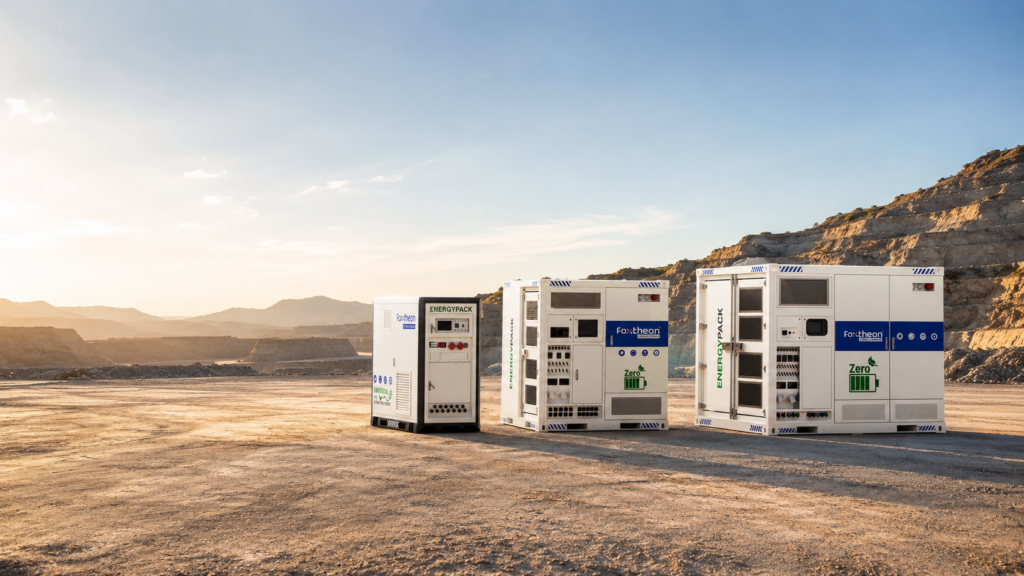
System pricing parameters vary based on total energy capacity (kWh), peak continuous output rating (kW), enclosure IP rating, integrated transformer isolation, and BMS software features. Specialized manufacturers, such as Foxtheon, offer modular system architectures that simplify scaling capacity post-installation. Sourcing managers should mandate comprehensive Factory Acceptance Testing (FAT) documentation, including full-load step response tests, thermal imaging scans under maximum continuous load, and harmonic distortion verification prior to dispatch.
Frequently Asked Questions (FAQ)
Q1: How do modern static transfer switches compare to standard mechanical automatic transfer switches?
A1: Static Transfer Switches (STS) utilize silicon-controlled rectifiers (SCRs) to switch electrical loads in under 4 milliseconds, ensuring zero operational downtime for delicate electronic computing assets and industrial controllers. Mechanical Automatic Transfer Switches (ATS) rely on motor-driven mechanical contacts, resulting in switching delays between 30 and 100 milliseconds, which can cause micro-outages and equipment resets.
Q2: Why is Lithium Iron Phosphate (LFP) preferred over high-density NMC for stationary backup applications?
A2: LFP offers superior chemical stability, a higher thermal runaway threshold (over 270°C), and significantly longer operational lifecycle parameters (4,000–8,000 deep discharge cycles). While NMC provides higher volumetric energy density for mobile applications, LFP provides lower long-term operational risk and exceptional safety metrics required for stationary industrial installations.
Q3: Can energy storage units be deployed alongside existing diesel generator installations?
A3: Yes. Modern microgrid management systems allow seamless hybrid synchronization between battery systems and existing thermal generators. The energy storage system covers immediate transient outages and handles initial load spikes, allowing thermal generators time to warm up and operate efficiently at optimized fuel consumption bands without experiencing thermal shock or severe mechanical strain.
Q4: What panel structural treatments are required for severe weather or coastal deployments?
A4: Outdoor installations require structural enclosures constructed from cold-rolled galvanized steel or marine-grade aluminum alloys, coated with zinc-phosphate primer and thermosetting polyester powder coatings. These enclosures should achieve an IP54 to IP65 rating and meet ISO 12944 C4/C5 anti-corrosion specifications to resist salt spray, humidity, and atmospheric particulate intrusion.
Q5: What key technical parameters determine the sizing of industrial emergency power sources?
A5: Sizing depends on total continuous active power demand (kW), dynamic apparant power requirements (kVA), surge and motor inrush currents, total required backup duration (autonomy time), ambient thermal operating limits, and connected load characteristics (linear versus nonlinear load ratios and Total Harmonic Distortion limits).
Submit a Technical Specification Request
Engineering teams and system integrators require tailor-made power topologies to match specific facility load profiles, environmental operating conditions, and site safety standards. Contact the engineering specialists at Foxtheon to request technical data sheets, single-line diagrams (SLD), and detailed project specifications for high-reliability emergency power sources.
Corporate Engineering Division: Request an RFP Review or Technical Consultation through our official engineering portal: https://www.foxtheon.com/