
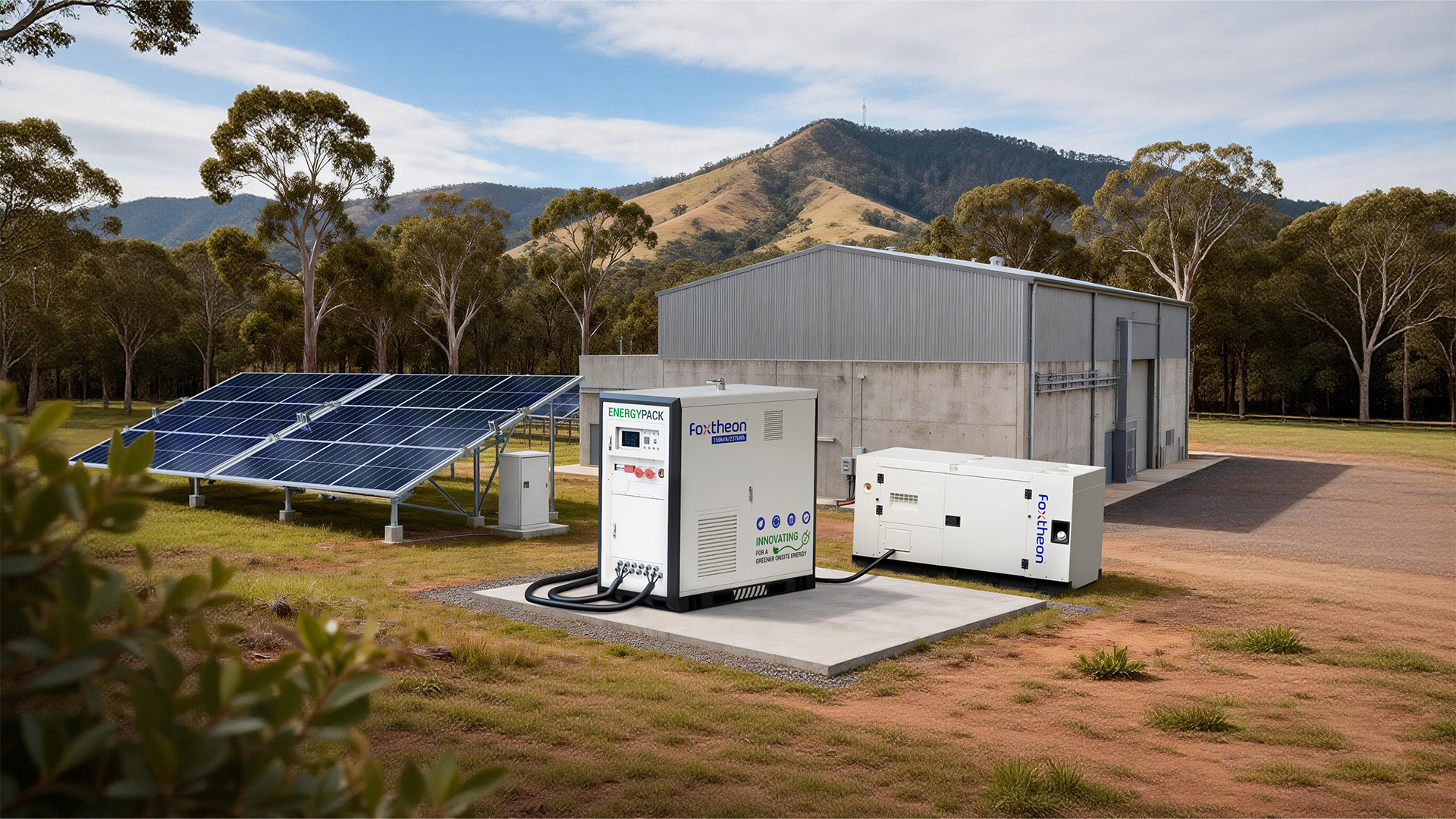
Commercial and industrial energy infrastructures increasingly require dynamic load management, peak demand reduction, and resilient power backup. A modern outdoor energy storage box serves as a self-contained power ecosystem, housing lithium iron phosphate (LiFePO4) battery modules, bidirectional power conversion systems (PCS), micro-climate control, and automated fire suppression into a centralized enclosure. Designing and specifying these enclosure systems demands attention to structural integrity, thermal control, electrical safety, and environmental protection.
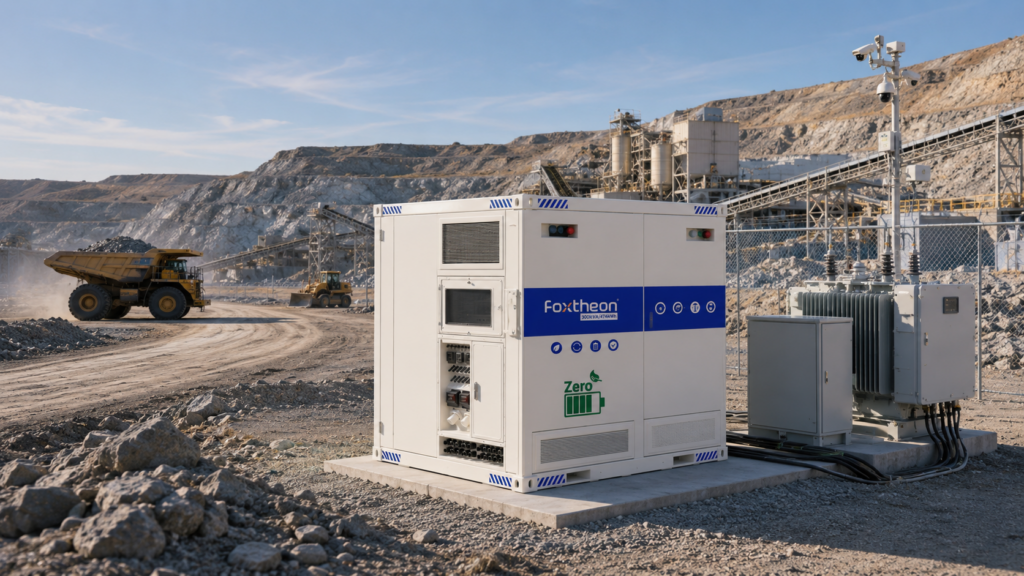
1. Thermal and Structural Engineering Standards
Industrial energy storage enclosures operate in challenging ambient environments, ranging from sub-zero conditions to high-temperature outdoor industrial zones. The structural envelope of an outdoor energy storage box must maintain strict mechanical integrity while isolating internal electronics from moisture, dust, and atmospheric corrosive elements.
Enclosure Ingress and Mechanical Protection
To prevent ingress of particulates and liquids, outer enclosures are engineered to meet IP54, IP55, or IP65 ratings according to IEC 60529 standards, alongside NEMA 3R or NEMA 4 configurations. Structural frames utilize heavy-gauge structural steel welded into a unified load-bearing chassis capable of handling high dynamic weight loads during transportation and crane deployment. Internal layouts are divided into isolated compartments, keeping the battery racks separate from high-voltage switchgear, auxiliary transformers, and power electronics to minimize thermal interference and contamination risks.
Thermal Management Architecture: Liquid Cooling vs. Forced Air
Thermal regulation directly impacts battery system cycle life, capacity retention, and operational safety. Enclosure thermal design generally falls into two primary categories:
- Forced Air Conditioning Systems: Utilize dual-zone HVAC systems with positive-pressure ducting. Cold air is routed beneath battery racks and drawn upward through cell channels to extract heat. While cost-effective for lower-density installations, air systems experience higher auxiliary parasitic loads in high ambient temperature environments.
- Direct-to-Plate Liquid Cooling Systems: Pass a glycol-water coolant mixture through cold plates positioned between individual LiFePO4 battery cells or modules. Liquid cooling provides superior heat transfer coefficients, maintaining internal cell temperature variances within a narrow delta (under 3°C). This balance reduces thermal degradation across cell strings and optimizes operational efficiency in high-discharge scenarios.
2. Material Science and Environmental Protection in Enclosure Fabrication
Long-term durability of an industrial energy storage system depends heavily on material selection and surface treatment processes. Industrial cabinets face atmospheric corrosion, chemical exposure, and ultraviolet radiation, requiring specific panel materials and coating technologies.
Panel Substrates and Metallurgical Composition
Manufacturers select panel substrates based on structural yield strength, thermal conductivity, and weight considerations:
- Hot-Dip Galvanized Steel (SGCC / SECC): Offers robust structural strength and mechanical damage resistance. Zinc-coated steel forms a sacrificial protective layer, preventing rust propagation at cut edges or fastener penetration points.
- Aluminum-Zinc Alloy Coated Steel (Galvalume): Provides enhanced corrosion protection in high-humidity and marine environments compared to standard galvanized coatings, making it suitable for coastal infrastructure deployments.
- Aluminum Alloy (5052 / 6063 Grade): Lightweight and naturally corrosion-resistant, aluminum alloys are used where crane lifting weight limits apply or where aggressive salt-spray environments necessitate non-ferrous construction.
Anti-Corrosion Coatings and Insulation Layers
Outer panels undergo multi-stage surface treatments, including degreasing, zinc-phosphate conversion, and electrostatic fluorocarbon (PVDF) or thermosetting powder coating. Finishes engineered to ISO 12944 standards (C4 or C5-I/C5-M corrosion categories) ensure long-term resistance to atmospheric exposure.
Thermal insulation between the outer shell and interior cladding uses non-combustible material layers. Polyurethane foam (PU) or high-density rockwool core insulation panels (Class A fire rated) are sandwiched between structural walls. This reduces external solar heat gain in desert locations and mitigates condensation risks during rapid temperature drops.
3. Electrical Subsystems, BMS, and Safety Controls
Beyond structural shell engineering, an advanced energy storage box integrates complex power management, control circuitry, and multipoint safety monitoring systems. Manufacturers such as Foxtheon focus on system integration to ensure seamless communication between low-voltage intelligence modules and high-voltage power components.
Tiered Battery Management System (BMS) Architecture
The control framework uses a three-tier BMS configuration:
- BMU (Battery Module Unit): Directly interfaces with individual cell temperature sensors (NTC thermistors) and voltage tap lines, executing passive or active cell balancing.
- BCU (Battery Cluster Unit): Aggregates string-level data, monitors high-voltage contactor states, controls isolation monitors, and calculates state of charge (SoC) and state of health (SoH).
- BMS Central Controller: Manages overall rack coordination, interfaces with the Power Conversion System (PCS) via CAN bus or Modbus TCP protocols, and coordinates emergency shutdown sequences (ESD).
Active Fire Detection and Hazard Mitigation
Modern international safety standards, including NFPA 855 and UL 9540A, mandate multi-layered fire safety strategies within commercial battery enclosures. System protection incorporates three primary phases:
- Early Off-Gas Detection: Specialist VOC sensors detect electrolyte off-gassing at the single-cell venting stage, triggering early warnings before thermal runaway or open flame development occurs.
- Multi-Criteria Sensing: Combined optical smoke detectors, rate-of-rise thermal sensors, and carbon monoxide (CO) detectors validate alarm signals to minimize false activations.
- Targeted Fire Suppression: Clean agent gaseous suppression systems (such as FK-5-1-12 / Novec 1230) or localized aerosol systems flood the isolated battery compartment to quench active flames without causing electrical shorting. Integrated water-deluge manifolds allow secondary emergency connection points for site fire safety services. Explosion deflagration panels mounted on the cabinet roof vent excess pressure outward away from personnel areas.
4. Operational Integration in Commercial Microgrid Frameworks
Integrating a scalable energy storage box into industrial microgrids enhances system resilience and improves power quality without disrupting established site operations.
Industrial facilities operating alongside existing thermal assets, such as diesel or gas generators, leverage energy storage to establish dynamic hybrid architectures. Rather than operating thermal generators continuously under inefficient low-load conditions, the control platform enables automated generator management. The energy storage system absorbs sudden step-loads, supplies instantaneous spinning reserves, and allows diesel generators to operate within their optimal fuel-efficiency window (typically 70-80% load factor). This operational synergy extends generator service intervals, reduces mechanical wear, and minimizes carbon intensity across the facility’s power infrastructure.
Commercial applications include:
- Peak Shaving: Automatically discharging stored power during periods of elevated grid demand to flatten consumption spikes and lower electricity utility demand charges.
- PV Consumption Optimization: Capturing excess onsite solar generation during peak production hours and redistributing it during high-load periods or nighttime operation.
- Fast-Charging Infrastructure Support: Acting as a high-power power buffer to support EV rapid-charging hubs without exceeding local utility grid transformer limits.
- Seamless Islanding and Uninterruptible Power Supply (UPS): Switching from grid-tied mode to off-grid islanded mode in under 20 milliseconds during main power outages, supporting continuity for continuous manufacturing processes.
5. Technical Sourcing and Procurement Criteria for Enterprise Buyers
Sourcing standard or customized power equipment requires clear technical evaluation frameworks to ensure long-term interoperability, regulatory compliance, and mechanical longevity.
When selecting a supplier for an industrial energy storage box, engineering teams and project managers evaluate several critical parameters:
Core Engineering Evaluation Matrix
- Certification Standards: System compliance with recognized global standards, including UL 1973 (battery modules), UL 1741 / IEEE 1547 (inverter grid connection), UL 9540 (system safety), and UN 38.3 (transportation security).
- Enclosure Thermal Uniformity: Reviewing Computational Fluid Dynamics (CFD) modeling data provided by vendor engineering teams to verify balanced thermal zones across all battery modules.
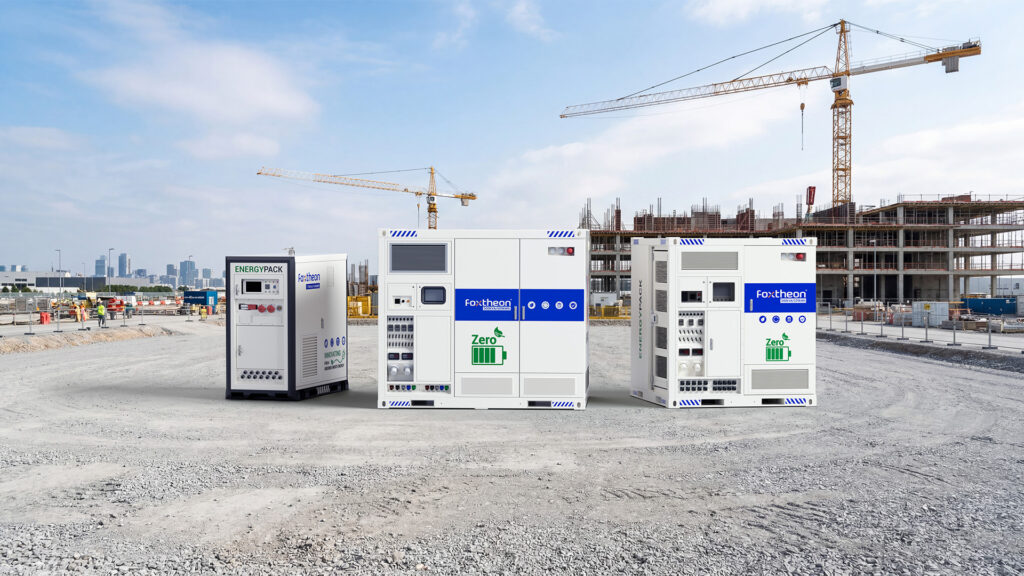
- Scalability and Footprint Design: Evaluating modular expansion capabilities, including containerized ISO footprints (10ft, 20ft, or 40ft structures) versus modular outdoor decentralized cabinets, matching available land footprint and site clearance requirements.
- Factory Acceptance Testing (FAT) Protocols: Ensuring comprehensive pre-commissioning testing, including insulation resistance verification, thermal imaging under full charge/discharge cycles, and full system safety shutdown validation prior to dispatch.
Companies like Foxtheon provide customizable modular platforms that adapt electrical layout designs, cooling options, and external finishes to match project-specific site requirements.
6. Technical Frequently Asked Questions
Q1: What is the main structural difference between air-cooled and liquid-cooled battery cabinets?
A1: Air-cooled enclosures rely on heavy-duty HVAC compressors circulating conditioned air across module surfaces, requiring clear airflow channels and larger interior spacing. Liquid-cooled enclosures utilize integrated cold plates with internal fluid micro-channels passing directly beneath battery cells. This approach increases volumetric energy density within the energy storage box, improves thermal uniformity, and reduces overall auxiliary system energy consumption.
Q2: How do outdoor energy storage enclosures prevent internal condensation in variable climates?
A2: Condensation protection involves integrated relative humidity sensors linked to automated cabinet heating elements and HVAC dehumidification cycles. Insulation materials (such as rockwool or polyurethane cores) inside the panel walls maintain interior surface temperatures above the dew point, preventing liquid moisture from forming on high-voltage electrical components.
Q3: Can energy storage systems integrate directly with installed generator sets without electrical conflict?
A3: Yes. Modern Power Conversion Systems (PCS) equipped with grid-forming and droop-control capabilities work in synchronization with existing generator controllers. The storage system acts as a high-speed voltage and frequency anchor, allowing generators to ramp up smoothly during sudden load transitions without experiencing severe thermal or mechanical stress.
Q4: What corrosion prevention standards apply to enclosures installed in marine environments?
A4: Marine deployments require enclosures built to ISO 12944 C5-M high-durability standards. Materials typically include 5052-H32 aluminum alloys or heavy galvanized steel treated with a multi-layer coating system, featuring an epoxy zinc-rich primer, an epoxy intermediate layer, and a top polyurethane or PVDF fluorocarbon coat exceeding 240 microns total dry film thickness.
Q5: What safety features prevent thermal runaway propagation inside the enclosure?
A5: Thermal runaway mitigation relies on multi-layer safety engineering. Cell-level protection includes physical thermal insulation barriers placed between adjacent cells to prevent heat transfer. Module-level protection incorporates early off-gas VOC sensing, automated electrical contactor isolation, and clean-agent gaseous fire suppression systems designed to quickly quench high-temperature events.
Project Inquiry and Technical Specifications Request
System architects, EPC contractors, and plant managers seeking technical drawings, detailed single-line diagrams (SLD), or customized thermal control options for outdoor energy storage projects can contact our engineering team directly.
Engineering Support & Technical Inquiries:
Contact: Foxtheon Technical Application Engineering Division
Web Platform: https://www.foxtheon.com/
Services Offered: Custom structural modeling, CFD thermal simulation reports, microgrid integration consultation, and standardized FAT/SAT documentation support.