
What Is BESS for Grid Outage Protection?
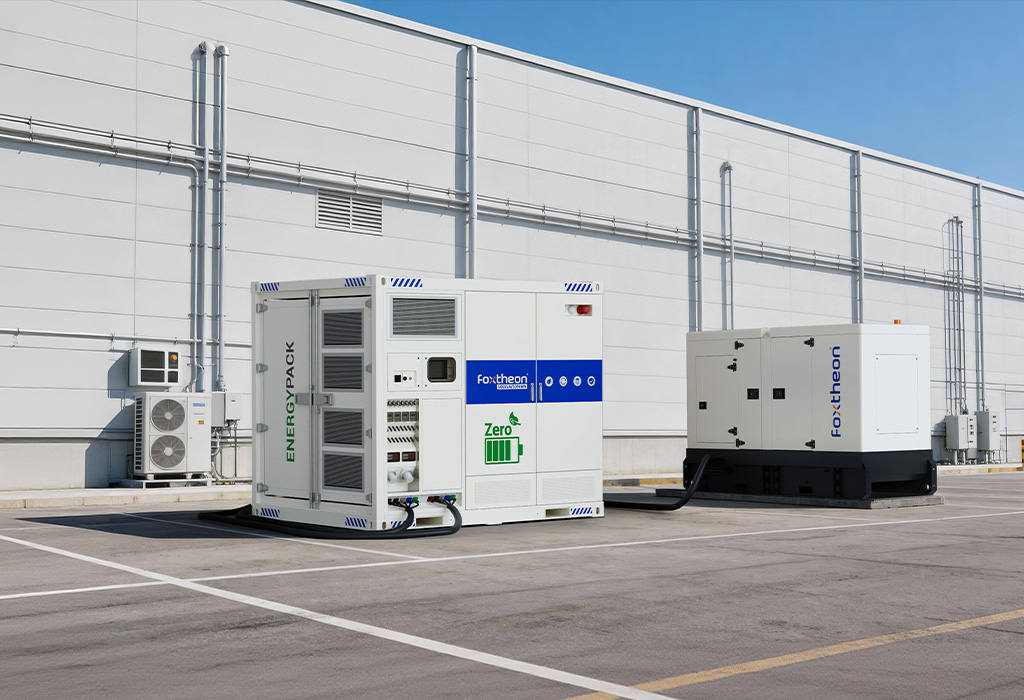
BESS for grid outage protection refers to a battery energy storage system configured to automatically detect a grid failure and supply electricity to critical loads without interruption. Unlike a standard UPS that may cover only a few minutes, a BESS can sustain operations for hours or even days, depending on its size. The system constantly monitors grid voltage and frequency; when an anomaly occurs, it isolates from the grid (islands) and powers the facility within milliseconds.
Core components of an outage‑ready BESS
- Lithium‑ion battery racks – typically LFP chemistry for safety and long cycle life.
- Bidirectional inverter/charger – converts DC to AC and vice versa, enabling both backup and grid charging.
- Advanced energy management system (EMS) – uses AI to predict outages, manage battery state, and optimise renewable integration.
- Automatic transfer switch (ATS) – seamlessly disconnects from the grid and connects the BESS in under 100 milliseconds.
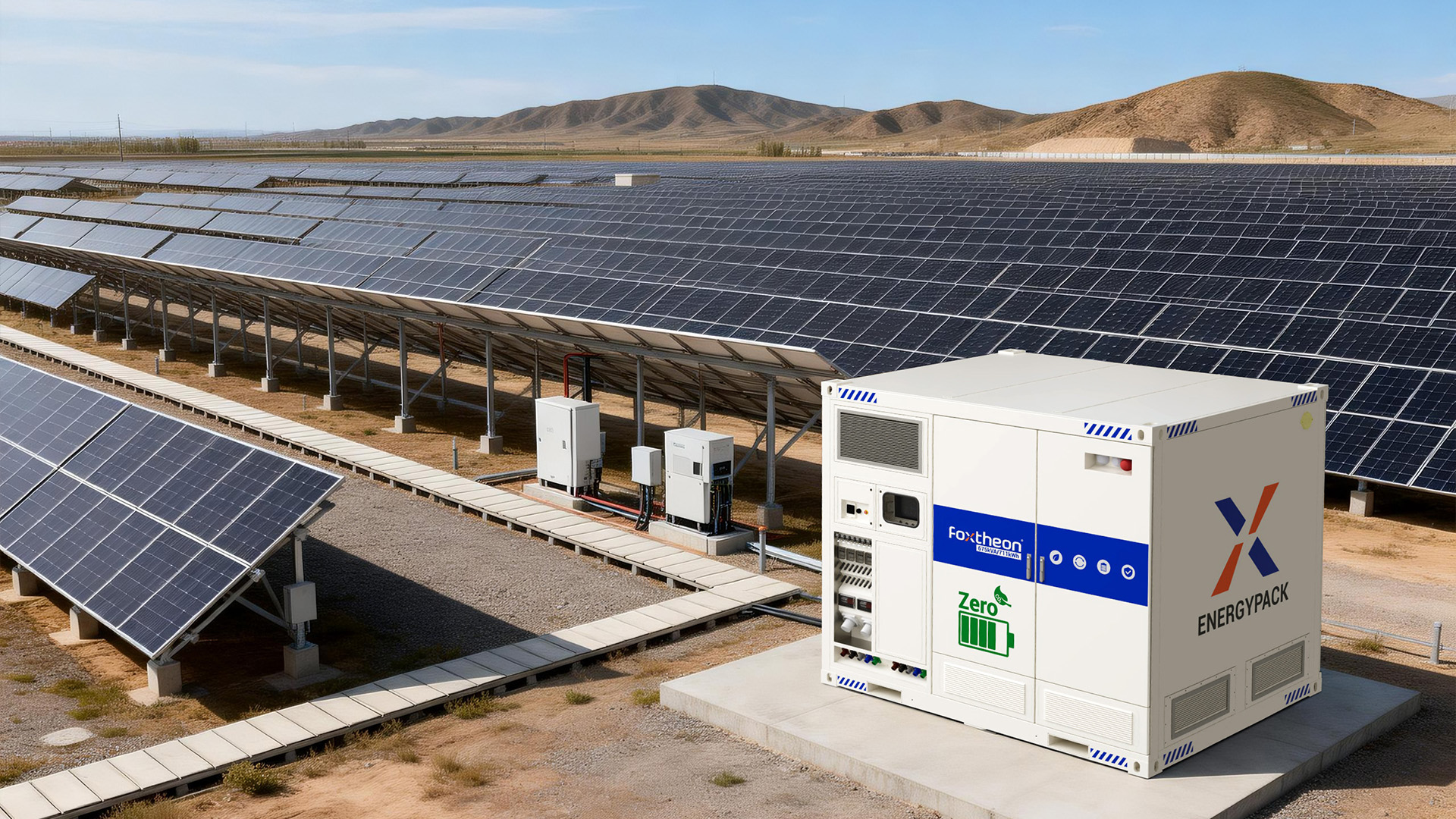
With these elements, BESS for grid outage protection does more than sit idle—it can also reduce demand charges and store cheap solar energy, making it a multipurpose asset.
Why Choose BESS for Grid Outage Protection Over Diesel Generators?
Generators have been the default for decades, but they come with compromises. Here’s how a modern BESS stacks up.
1. Speed and reliability
A diesel generator typically takes 10–30 seconds to start and stabilise. For sensitive electronics, that gap can cause crashes or data loss. BESS for grid outage protection responds in less than a cycle — equipment never notices a change.
2. Lower operational costs
Generators require fuel delivery, oil changes, and regular load testing. A BESS has no fuel costs, minimal maintenance, and a lifespan of 10–15 years. When paired with solar, it can even generate revenue through demand response.
3. Environmental and noise benefits
Diesel engines emit CO₂, particulate matter, and noise—problematic for urban areas or strict emissions regulations. BESS for grid outage protection runs silently and produces zero local emissions, helping meet sustainability goals.
4. Dual‑use capability
- Generators: only provide backup.
- BESS: provides backup + peak shaving + frequency regulation + solar time‑shifting.
This versatility turns a backup expense into an asset that pays for itself over time.
Key Applications for BESS in Grid Outage Scenarios
From remote communities to dense urban data centres, BESS for grid outage protection is proving its worth across sectors.
Commercial and industrial facilities
Manufacturing plants lose thousands per minute during an outage. A BESS bridges the gap until backup generators synchronise, or can act as the sole backup for shorter outages. Warehouses with automation also benefit from uninterrupted operations.
Critical infrastructure
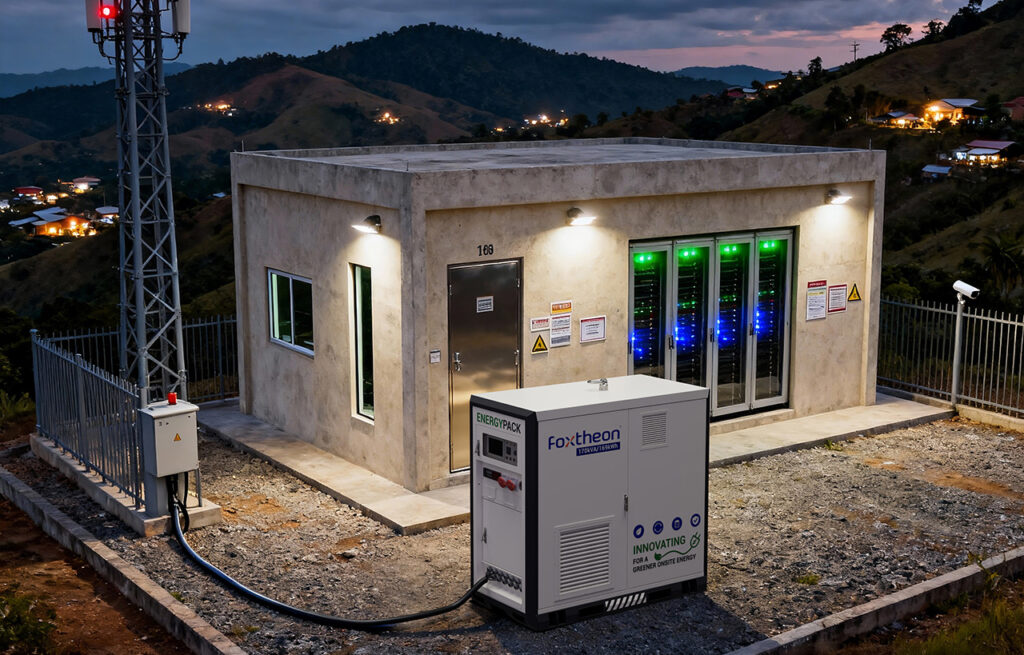
Hospitals, emergency response centres, and water treatment plants cannot afford downtime. BESS provides instantaneous power and can be integrated with on‑site solar to extend runtime indefinitely. Many European hospitals now rely on BESS for grid outage protection as primary backup.
Residential and community microgrids
In areas prone to storms or grid instability, homeowners and neighbourhoods are installing shared BESS. During an outage, the battery powers essential loads—lights, refrigeration, internet—without a generator’s noise or fumes. Community microgrids with BESS can island an entire block.
Foxtheon’s approach to grid resilience: Foxtheon has deployed over 150 MWh of BESS for grid outage protection worldwide. Their containerised solutions are used by ports, data centres, and municipalities. Each system includes remote monitoring and predictive analytics that anticipate failures before they happen, ensuring that backup is always ready.
How Foxtheon Enhances BESS for Grid Outage Protection
Not all BESS are created equal. Foxtheon’s systems stand out because of three key innovations.
Intelligent islanding controls
Foxtheon’s EMS continuously evaluates grid stability. If it detects even minor disturbances, it pre‑charges the battery and prepares for seamless transition. This proactive approach reduces stress on the system and extends component life.
Modular scalability
A small business might start with a 50 kW / 150 kWh unit, and later expand to 500 kWh by adding cabinets—without replacing inverters. This makes BESS for grid outage protection accessible for organisations of any size.
Integrated cyber‑security
As energy systems become digital, cyber threats increase. Foxtheon builds security at the firmware level, with encrypted communications and role‑based access, ensuring that backup can’t be compromised remotely.
Technical Considerations for Implementing BESS for Grid Outage Protection
Deploying a BESS requires a thorough understanding of your loads and site conditions. Here’s what to evaluate.
Sizing and load analysis
Determine your critical load (kW) and the desired backup duration. For short outages (under 2 hours), BESS alone is often most economical. For longer events, a hybrid system (BESS + generator) minimises battery cost while still providing instant response. Foxtheon offers free sizing tools based on real usage data.
Integration with existing electrical infrastructure
Most facilities have legacy switchgear. A qualified integrator will install a transfer switch that allows the BESS to disconnect from the grid and reconnect smoothly. In new builds, incorporating BESS from the start simplifies design.
Safety and compliance
BESS must meet UL 9540, IEC 62933, or local codes. Thermal management (liquid cooling or forced air) and fire suppression are integral. Foxtheon’s units are third‑party certified and include multi‑layer safety protocols.
The Future of Grid Outage Protection with BESS
As the grid becomes more stressed due to extreme weather and renewable integration, outages are expected to rise. BESS for grid outage protection will evolve from a niche product to a standard feature in commercial and residential buildings. Falling battery costs, coupled with smart software, mean that backup power will no longer be a static expense but a dynamic resource that supports the grid and lowers electricity bills.
Companies like Foxtheon are already working on vehicle‑to‑grid (V2G) integration, where EV batteries can supplement stationary storage during long outages. The line between backup and everyday energy management will continue to blur.
Frequently Asked Questions About BESS for Grid Outage Protection
Q1: Can BESS for grid outage protection power an entire factory?
A1: Yes, if the system is sized appropriately. Many factories install BESS to cover critical production lines and safety systems. For the whole facility, a larger BESS (e.g., 1–5 MW) can carry the load for several hours. Foxtheon has installed multi‑megawatt systems at industrial sites that ride through outages without interrupting manufacturing.
Q2: How quickly does BESS respond to a grid failure?
A2: Typical response time is under 100 milliseconds—fast enough to keep computers, servers, and sensitive equipment running without a glitch. This is far quicker than any generator and matches the speed of a double‑conversion UPS.
Q3: Do I need solar panels to use BESS for grid outage protection?
A3: Not at all. The BESS charges from the grid when it’s available. However, adding solar allows you to recharge the battery during a daytime outage, extending backup duration indefinitely. Many customers start with BESS alone and add PV later.
Q4: What maintenance does a BESS require?
A4: Very little compared to a generator. Manufacturers recommend annual visual inspections, checking connections, and updating software. The battery management system self‑monitors cell health. Foxtheon offers remote diagnostics that alert operators to any anomalies before they become problems.
Q5: Is BESS for grid outage protection eligible for government incentives?
A5: In many regions, yes. The U.S. Investment Tax Credit (ITC) covers standalone storage, and similar programs exist in Europe, Australia, and parts of Asia. Incentives can reduce upfront cost by 30% or more. Foxtheon’s team helps customers navigate available rebates.
Q6: How does Foxtheon ensure the BESS remains operational during a multi‑day outage?
A6: Foxtheon systems can be configured to prioritise critical loads and shed non‑essential ones. If paired with solar, the battery recharges daily. For longer events without renewables, the system can signal a backup generator to start automatically when battery levels run low—combining the best of both worlds.
The era of waiting for the grid to come back online—or relying solely on dirty, slow generators—is ending. BESS for grid outage protection offers instantaneous, clean, and increasingly affordable backup that pays dividends even when the grid is stable. Whether you manage a hospital, a data centre, or a community microgrid, integrating battery storage ensures you stay powered through any disruption. Foxtheon continues to drive this transition with reliable, intelligent systems that adapt to your needs. As power outages become more common, adopting BESS for grid outage protection isn’t just a contingency—it’s a competitive advantage.