
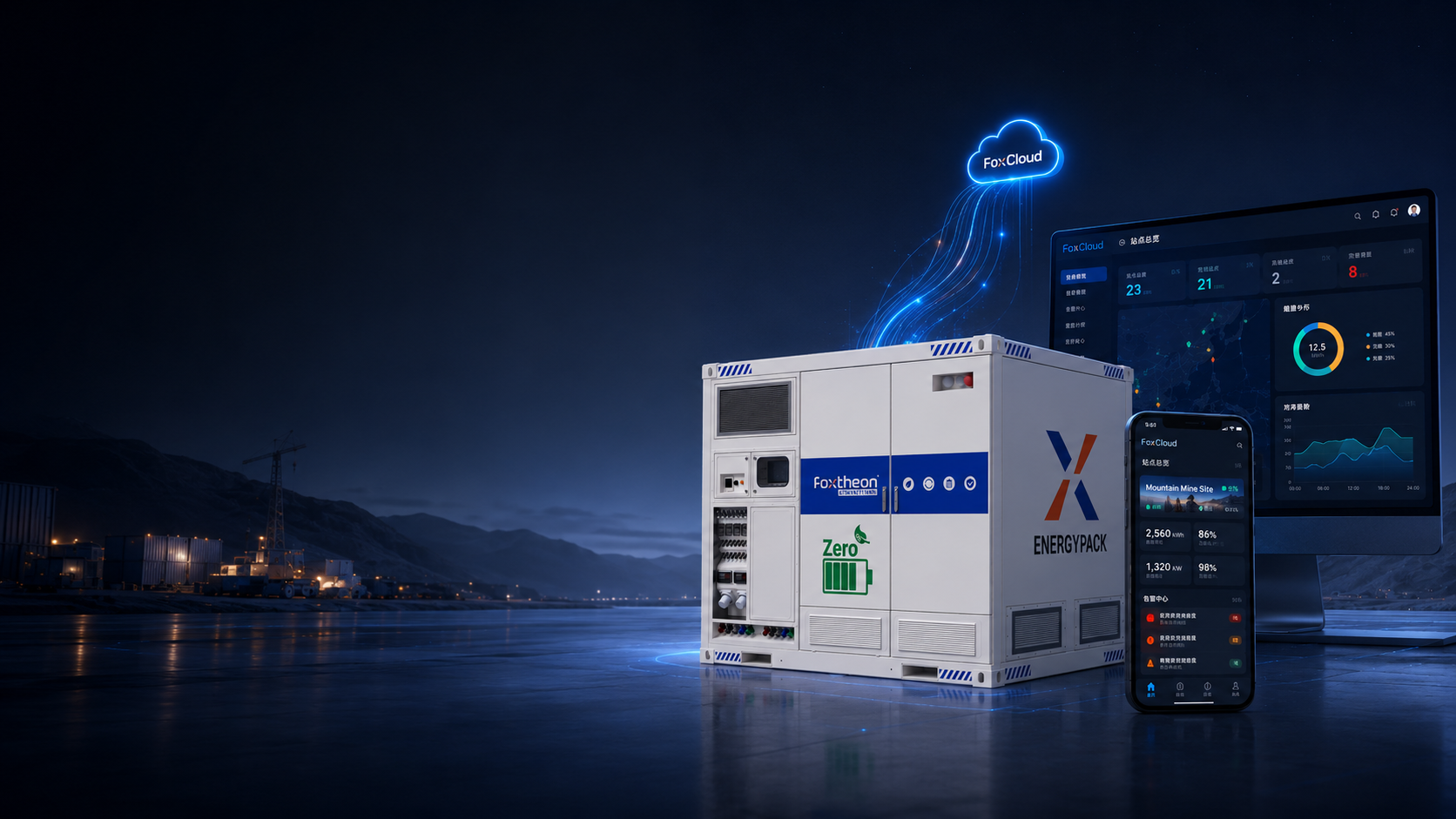
Remote industrial operations, mining developments, rural electrification networks, and distributed agricultural operations require continuous, stable electricity. As power densities increase and operational demands diversify, the integration of multiple energy vectors into a unified off grid hybrid architecture has become the benchmark standard for reliable decentralized power production. Modern configurations combine photovoltaic (PV) generation, battery energy storage systems (BESS), intelligent power conversion systems (PCS), and existing diesel or gas reciprocating generator sets to deliver uninterrupted baseload and peak-load electrical service.
Engineering a dependable decentralized microgrid requires balancing dynamic power fluctuations, variable load profiles, transient surges, and component-level communications. By leveraging advanced control algorithms and high-density battery chemistries, organizations can achieve high power quality without destabilizing their legacy generation assets.
Fundamental Topology and Synergistic Operation of Off Grid Hybrid Systems
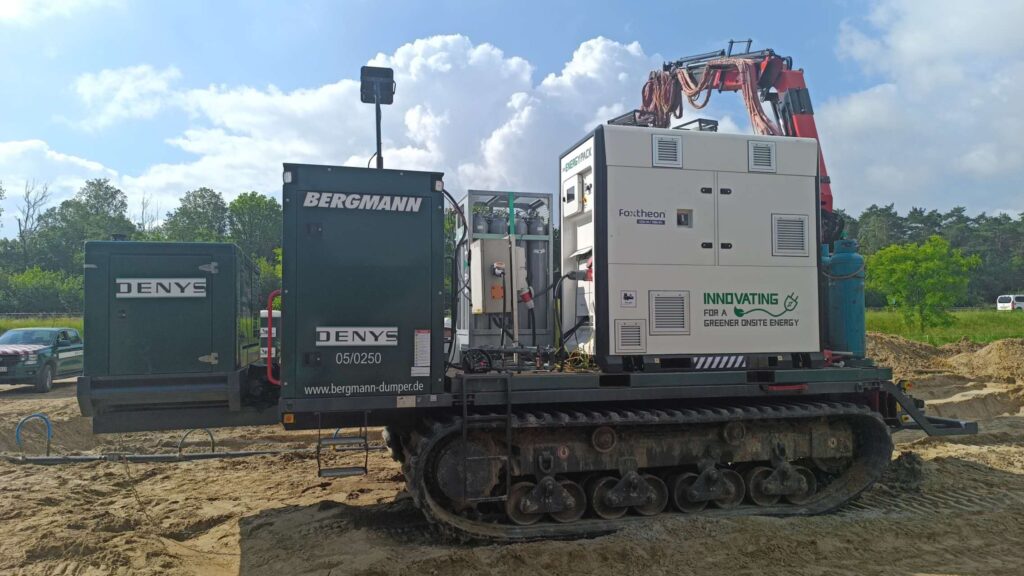
At an engineering level, an off grid hybrid system coordinates intermittent renewable generation with dispatchable thermal generation and fast-acting electrochemical storage. The overarching design objective is to maintain nominal voltage and frequency within tight tolerances under fluctuating load conditions while prolonging generator service intervals.
AC-Coupled vs. DC-Coupled Architecture in Commercial Deployments
Selecting between AC-coupled and DC-coupled architectures determines conversion efficiency, system expandability, and operational flexibility.
- DC-Coupled Configurations: Photovoltaic arrays connect directly to a shared DC bus via Maximum Power Point Tracking (MPPT) charge controllers. The DC bus directly feeds the BESS and the central bidirectional inverter. This topology offers high efficiency for systems where daily solar generation is primarily stored for evening consumption, eliminating redundant DC-AC-DC conversion stages.
- AC-Coupled Configurations: PV strings connect directly to grid-forming or grid-following string inverters that output AC power directly to the common AC busbar. This topology is suited for medium- to large-scale commercial facilities with high daytime load profiles. It allows easier retrofitting of existing generator-powered distribution networks without modifying primary DC switchgear.
Generator Synchronization and Dynamic Load Sharing
Modern microgrid architectures treat internal combustion generator sets as complementary assets rather than standalone primary sources. An off grid hybrid plant utilizes bidirectional inverters with grid-forming capability to establish voltage and frequency baselines. When heavy inductive loads or sustained low-irradiance conditions occur, the microgrid controller triggers automated generator start sequences via dry contacts or Modbus communications.
The system actively manages generator loading to avoid “wet stacking”—a condition occurring when diesel engines run at sub-optimal loads (below 30-40% of rated capacity), resulting in unburned fuel accumulation in the exhaust system. By diverting excess generator capacity into the battery bank, the controller keeps the engine loaded within its peak thermal efficiency window (typically 70-85%), maximizing fuel-to-kilowatt conversion efficiency and reducing engine wear.
Core Component Engineering: Photovoltaic Technologies and Energy Storage Chemistry
The operational resilience of an off-grid installation relies heavily on the physical materials and electrochemistry selected for the generation and storage sub-assemblies.
Photovoltaic Cell Metallurgy and Mechanical Integrity
High-efficiency N-type TOPCon (Tunnel Oxide Passivated Contact) and Heterojunction (HJT) cell architectures are the primary choice for industrial off-grid projects in 2026. Compared to legacy P-type PERC cells, these technologies offer superior performance metrics:
- Temperature Coefficients: TOPCon and HJT exhibit lower temperature coefficients (-0.30%/°C to -0.26%/°C), maintaining higher energy yields in desert, tropical, and high-ambient mining environments.
- Bifaciality Factors: Modern double-glass bifacial modules achieve bifaciality rates exceeding 80-85%, capturing reflected albedo radiation from gravel, sand, or snow to increase overall energy yield per square meter of structural mounting footprint.
- Anti-PID and Anti-LID Degradation: N-type silicon substrates eliminate Boron-Oxygen defect complexes, drastically reducing Light-Induced Degradation (LID) and Potential-Induced Degradation (PID) over multi-decade lifespans.
Battery Subsystems: Prismatic LiFePO4 Integration
Electrochemical storage within microgrid infrastructures is dominated by Lithium Iron Phosphate (LiFePO4 or LFP) chemistry. LFP provides inherent thermal stability, high structural integrity under mechanical stress, and minimal thermal runaway propagation when paired with multi-tiered Battery Management Systems (BMS).
Cell selections focus on prismatic formats housed in containerized enclosures featuring automated liquid cooling loops. Liquid cooling maintains cell temperature variance within ±2°C across large racks, directly preserving cycle life. Systems routinely deliver 6,000 to 8,000 cycles at 80% Depth of Discharge (DoD) under 0.5C to 1C operating conditions.
Smart Energy Orchestration and Hybrid Microgrid Controller Algorithms
The centralized Energy Management System (EMS) and Microgrid Controller act as the digital brain of the facility. These systems monitor bus voltage, grid frequency, state of charge (SoC), and load trends in real time.
Frequency-Watt and Voltage-Watt Regulation Protocols
Under islanded conditions, balance between real power generation and consumption determines system frequency (50Hz/60Hz). In an AC-coupled off grid hybrid network, if the battery reaches 100% SoC and load decreases, the central inverter increases the AC microgrid frequency (e.g., from 50.0Hz to 50.5Hz or 52.0Hz). PV string inverters interpret this frequency shift via active Frequency-Watt droop curves, curtailing solar generation instantly to preserve network equilibrium without physical switchgear disconnects.
Black-Start Sequences and Seamless Generator Co-Generation
If a fault condition causes a full plant shutdown, the power conversion equipment must possess black-start capability. Grid-forming inverters utilize battery reserve capacity to energize step-up transformers, clear residual inrush currents, and re-establish the local AC microgrid. Once voltage is stabilized, the microgrid controller synchronizes auxiliary inputs and coordinates parallel operation with on-site generation units through automated phase-angle matching.
High-Demand Commercial and Industrial Application Scenarios
Decentralized energy configurations are built to handle variable loads across challenging geographical regions.
Remote Extraction, Telecommunications, and Heavy Industrial Facilities
Mining operations, oil and gas pump stations, and long-range telecommunications hubs require near-zero downtime. In these environments, high transient loads from large inductive motors, slurry pumps, and ventilation fans present significant challenges. An off grid hybrid system buffers these starting currents through high-discharge-rate inverters, preventing voltage sags that would otherwise trip sensitive control electronics or stall auxiliary engines.
Island Grid Networks and Remote Agricultural Processing
Island communities and isolated agricultural facilities (such as cold-storage warehouses, grain mills, and processing facilities) face harsh maritime climates and high seasonal load variations. Integrated power systems designed by engineering specialists like Foxtheon incorporate C5-M marine-grade anti-corrosion coatings, IP55/IP65 ratings, and multi-inverter parallel clustering to ensure reliable operation under high humidity and saline atmospheres.
Technical Procurement and Supplier Evaluation Standards
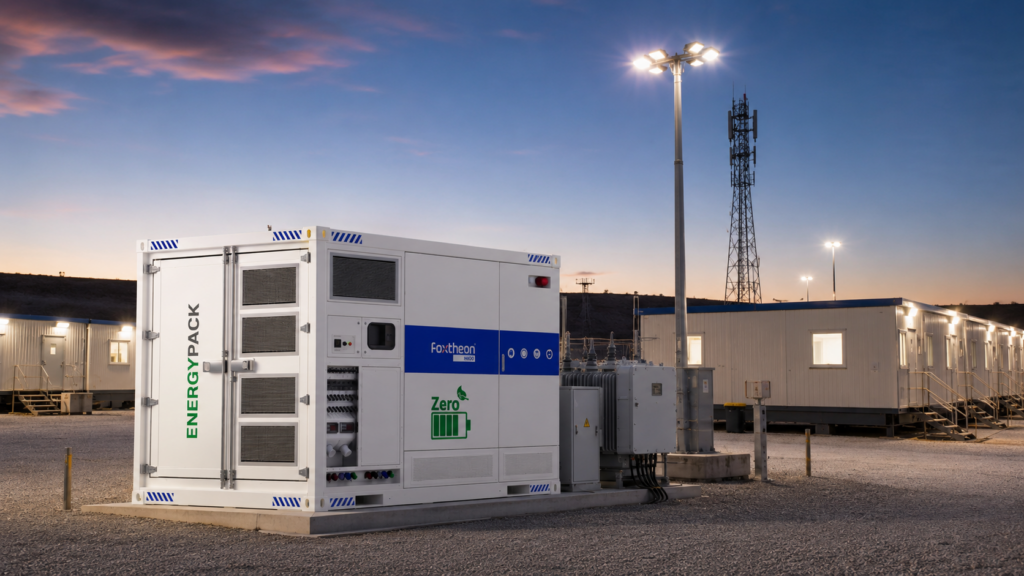
Procuring microgrid infrastructure requires rigorous evaluation of engineering capabilities, component origin, and hardware-firmware interoperability rather than basic component-by-component purchasing.
Factory Acceptance Testing (FAT) and Tier-1 Component Sourcing
Equipment procurement teams should mandate comprehensive Factory Acceptance Testing (FAT) protocols before site delivery. Testing parameters should verify:
- Total Harmonic Distortion (THD) under non-linear inductive loads (maintaining THD < 3% for voltage).
- Step-load response times (e.g., 0% to 100% instantaneous load acceptance within milliseconds).
- Fail-safe physical relay disconnections under over-voltage, under-voltage, over-frequency, and short-circuit conditions according to IEC 62109 and UL 1741 standards.
Hardware-Firmware Interoperability and Long-Term Field Support
A persistent operational vulnerability in multi-source microgrids is protocol mismatch between inverters, BMS units, and generator digital engine management interfaces (ECUs). Systems engineered by Foxtheon utilize unified Modbus TCP/IP, CANbus, and IEC 61850 communications architectures. This unified approach eliminates proprietary data silos, enabling transparent diagnostic visibility and remote firmware updates throughout the system lifecycle.
Frequently Asked Questions (FAQ)
Q1: What is the primary operational advantage of an off grid hybrid system over a standalone generator setup?
A1: A hybrid configuration combines solar generation and rapid battery response with dispatchable thermal generation. This optimizes generator operating hours, ensures engines run within their peak thermal efficiency zones, prevents wet stacking, and provides continuous power quality without interruptions during maintenance cycles.
Q2: How does the system handle sudden high inrush currents from industrial motors?
A2: High-performance bidirectional inverters are engineered with peak surge capabilities (typically 150% to 200% of nominal rating for short durations, such as 5 to 10 seconds). The battery storage system absorbs and supplies the transient reactive power demanded by motor startup, preventing voltage drops and avoiding generator stall events.
Q3: Can existing on-site generator assets be integrated into a new solar-plus-storage microgrid?
A3: Yes. Modern AC-coupled and DC-coupled systems integrate existing generator assets via automated transfer switches (ATS) or synchronizing switchboards. The microgrid controller manages the generator via standard digital I/O or industrial communication protocols, coordinating its runtime alongside solar and battery states.
Q4: What maintenance protocols are required for the battery energy storage subsystem?
A4: LiFePO4 battery banks require minimal direct mechanical maintenance compared to rotating machinery. Primary protocols include periodic thermal imaging of busbars and terminal connections, validation of liquid cooling fluid levels and HVAC performance, checking BMS firmware status, and confirming state-of-health (SoH) diagnostics via the monitoring interface.
Q5: How does ambient temperature affect the performance of off-grid solar and storage hardware?
A5: Elevated ambient temperatures reduce solar PV voltage output (dictated by the temperature coefficient) and accelerate battery degradation if not properly managed. Utilizing N-type PV cells reduces temperature-related yield loss, while containerized liquid-cooled battery enclosures maintain cells in their ideal 20°C to 25°C operating window regardless of external climate extremes.
Technical Project Consultation & Direct System Inquiry
To request technical design validation, balance of system (BOS) sizing calculations, or customized microgrid engineering support for your upcoming industrial project, connect directly with the specialized engineering team at Foxtheon:
Direct Inquiry: Submit an Engineering Consultation Request & RFQ