
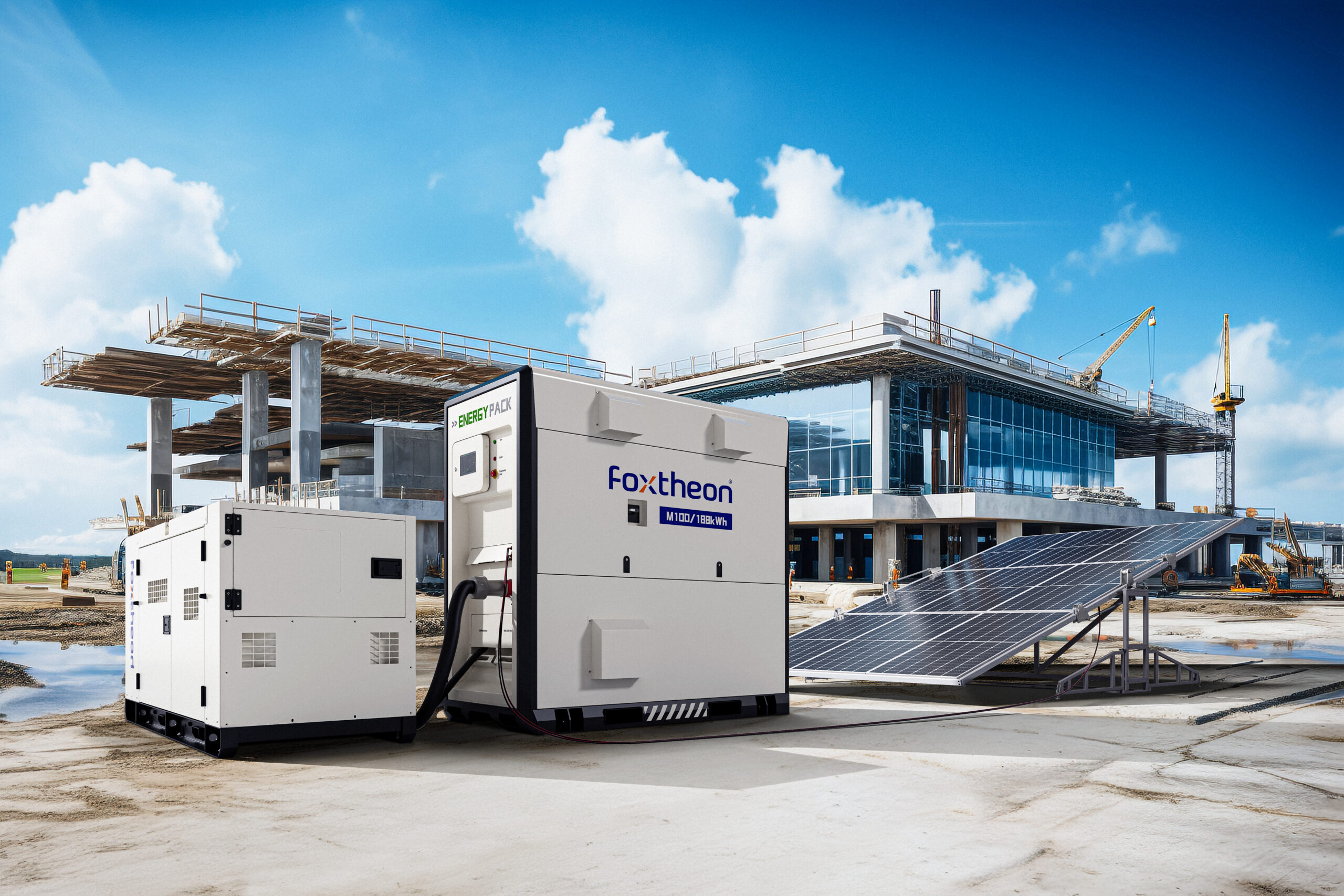
Industrial and commercial utility operations require highly reliable power distribution frameworks. The integration of fluctuating renewable energy sources, such as photovoltaic (PV) arrays and wind turbines, introduces supply volatility to local grids. To manage these fluctuations and ensure power quality, the implementation of a containerized energy storage system has become a standard approach for modern grid operators and industrial facilities. These modular, scalable units house the entire electrochemical and auxiliary infrastructure required for high-capacity energy management. Manufacturers like Foxtheon design these systems to streamline installation timelines and provide robust protection against diverse environmental stressors.
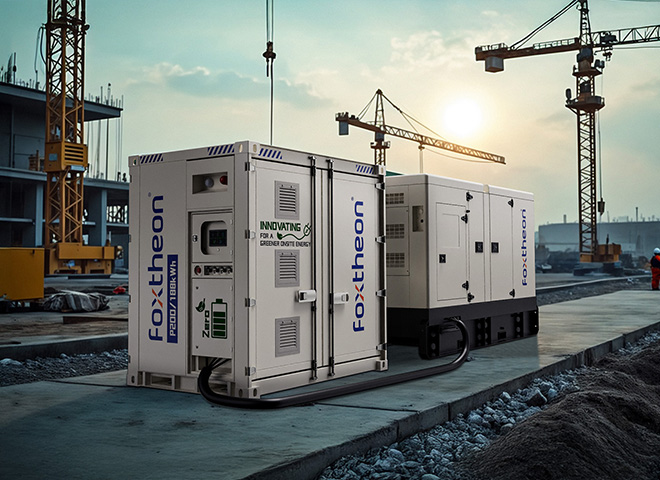
Structural Engineering and Enclosure Materials
The physical enclosure of a containerized energy storage system serves as the primary barrier against environmental elements, structural loads, and physical impacts. Standard shipping container footprints, typically 20-foot or 40-foot configurations, are utilized to leverage existing global logistics networks.
To ensure structural integrity under static and dynamic loading conditions, specific material standards are strictly observed:
- Enclosure Shell: Typically constructed from heavy-duty Corten steel (atmospheric corrosion-resistant steel). This material forms a protective, stable rust layer when exposed to the atmosphere, preventing deeper corrosion penetration.
- Internal Wall Insulation: To limit thermal transfer between the internal environment and external ambient conditions, the internal walls are lined with high-density thermal insulation panels. These panels are often composed of non-combustible rockwool or polyurethane cores, providing thermal retention and meeting fire-resistance ratings.
- Ingress Protection (IP) and Gaskets: Enclosures must meet stringent ingress protection standards, such as IP54 or IP55 (corresponding to NEMA 3R or 4 ratings in North America). Highly durable, UV-resistant neoprene or EPDM gaskets are installed on all doors and service hatches to prevent the penetration of dust and moisture.
- Corrosion Prevention Coatings: Protective coating systems conforming to ISO 12944 classifications are applied. For coastal or highly corrosive industrial settings, C5-I or C5-M marine-grade multi-layer epoxy primers and polyurethane topcoats are standard.
The structural frame is reinforced with heavy steel beams to handle the substantial static loads of dense battery racks. Integrated structural lifting points (corner castings conforming to ISO 1496-1 standards) facilitate secure transport and site deployment via cranes or heavy forklifts.
Core Electrical Architecture and Subsystems
A sophisticated containerized energy storage system integrates several complex electrical subsystems that must function in harmony to ensure system longevity and operational efficiency.
Battery Management Systems (BMS)
The BMS operates on a multi-tiered architecture to monitor and control the electrochemical cells. The master-slave configuration is the industry standard:
- Cell-Level (Slave BMS): Monitors individual cell voltages and surface temperatures. It performs passive balancing by dissipating excess energy through resistors, or active balancing by redistributing charge among cells to maximize usable capacity.
- Pack-Level (Sub-Master BMS): Aggregates data from individual modules, calculating the total State of Charge (SoC) and State of Health (SoH) of the pack, and controls local protection devices such as fuses and contactors.
- System-Level (Master BMS): Communicates directly with the Power Conversion System (PCS) and the Energy Management System (EMS). It coordinates safety shutdowns, manages grounding detection, and translates system telemetry into standard industrial communication protocols such as Modbus TCP/IP or CAN bus.
Power Conversion Systems (PCS) and Grid Interface
The PCS acts as the interface between the DC battery array and the AC grid, utilizing high-efficiency bi-directional inverters. Key technical parameters include:
- Four-Quadrant Operation: The PCS can control both active power (P) and reactive power (Q) in all four quadrants. This capability allows the system to perform voltage regulation and power factor correction at the point of common coupling.
- Grid-Forming vs. Grid-Following Modes: In grid-following mode, the PCS synchronizes with the existing grid voltage and frequency. In grid-forming mode, the PCS acts as a voltage source, establishing local grid frequency, which is important for isolated microgrids or black-start scenarios.
- Isolation Transformers: Integrated dry-type or liquid-filled isolation transformers are frequently used to step up the PCS output voltage to medium voltage (e.g., 11kV or 33kV) and to isolate the battery storage system from grid-side electrical disturbances.
Thermal Management and Safety Features
Maintaining stable thermal conditions is important for the performance, lifecycle, and safety of the lithium-ion batteries housed within a containerized energy storage system.
Modern configurations utilize specialized thermal management systems designed to limit localized hot spots and maintain uniform temperature distributions across all cells:
- Liquid Cooling Systems: Utilizing a closed-loop coolant cycle (typically a water-glycol mixture), liquid cooling plates are placed in direct contact with battery modules. This method provides a significantly higher heat transfer coefficient than air cooling, maintaining temperature deviations between cells below 3°C.
- Forced Air Cooling (HVAC): High-efficiency HVAC units are strategically mounted on the exterior or interior bulkheads. Air ducting networks distribute cooled air uniformly throughout the battery aisles. This configuration is often chosen for medium-density installations or environments with moderate ambient temperatures.
- Auxiliary Power Integration: The thermal management system is supported by an Uninterruptible Power Supply (UPS) to ensure that cooling fans and pumps remain operational during short-term grid outages, maintaining environmental stability inside the enclosure.
Safety systems within the enclosure are designed to prevent and mitigate thermal runaway. These systems comply with rigorous safety standards, such as NFPA 855. Multi-sensor detection arrays are installed, combining highly sensitive off-gas detectors (designed to identify early-stage outgassing from battery cells), smoke detectors, and rate-of-rise heat sensors. If an anomaly is identified, the safety system triggers automated mitigation protocols, isolating electrical contactors and activating clean agent gas suppression systems (such as Novec 1230 or FM-200) to suppress localized thermal events before they spread.
Hybridization with Existing Power Infrastructure
Integrating a containerized energy storage system into an existing commercial or industrial power plant requires careful electrical and control-level coordination.
Rather than replacing existing assets, the storage system functions in parallel with existing equipment, such as diesel generator fleets, to improve overall system efficiency:
- Load Leveling and Dynamic Response: Reciprocating engines often operate inefficiently during sudden load fluctuations or when running at low-load factors. The energy storage system acts as a high-speed dynamic buffer, absorbing transient load spikes and discharging during peak demand. This allows the generators to operate continuously at their optimal fuel-efficiency points, reducing engine wear and wet-stacking issues.
- Energy Management System (EMS) Coordination: A centralized EMS oversees the entire hybrid network. Using industrial communication protocols (such as IEC 61850 or Modbus), the EMS dynamically calculates dispatch instructions for the PV inverter, the storage PCS, and the generator controllers based on load requirements and grid conditions.
- Spinning Reserve Optimization: The rapid response of the lithium-ion battery system (typically within milliseconds) allows it to act as virtual spinning reserve, reducing the need to keep backup diesel generators idling in anticipation of load steps.
Strategic Procurement and Compliance Standards
Selecting a B2B provider for modular energy infrastructure requires a rigorous evaluation of engineering qualifications and certification standards. For complex projects, developers require manufacturers that offer customized engineering designs and robust factory testing.
Factors to consider when choosing a containerized energy storage system include:
- Regulatory Certifications: Ensure the system is certified under relevant international standards. This includes UL 9540 (covering the complete energy storage system assembly), UL 9540A (evaluating thermal runaway fire propagation), IEC 62933 (electrical energy storage systems), and UN 38.3 (transport safety standards for lithium batteries).
- Factory Acceptance Testing (FAT): Reputable manufacturers, such as Foxtheon, perform comprehensive FAT protocols prior to shipment. This includes full thermal cycling, insulation resistance tests, communication loop checks, and emergency shutdown sequence verification.
- Site Integration Support: Project developers benefit from manufacturers that provide complete commissioning documentation, remote diagnostic capabilities, and clear guidelines for field connection and utility-side testing.
Frequently Asked Questions
Q1: What are the main benefits of liquid cooling over air cooling in a containerized energy storage system?
A1: Liquid cooling systems offer a much higher thermal heat transfer capacity compared to traditional air-based cooling systems. This allows for more precise temperature regulation across individual cells, keeping temperature differentials within 3°C. Uniform cell temperatures help prevent uneven cell aging, optimize electrochemical performance, and extend the overall lifespan of the battery packs.
Q2: How does a containerized energy storage system interface with an existing diesel generator fleet?
A2: The system integrates in parallel with the diesel generators through a master Energy Management System (EMS). It manages transient load spikes and high-speed frequency variations, allowing the generator engines to run at their most efficient load points. This reduces fuel consumption, lowers mechanical strain, and minimizes maintenance requirements without needing to retired or replace existing generator assets.
Q3: Which environmental and safety standards must a containerized energy storage system meet for commercial installation?
A3: High-quality systems must meet several international regulatory standards. These include UL 9540 for system safety, UL 9540A for thermal runaway testing, NFPA 855 for stationary installation safety, and IEC 62933 for general electrical energy storage requirements. Enclosures should also feature IP54 or IP55 ingress protection and carry corrosion-resistance ratings under ISO 12944.
Q4: What panel materials are used to ensure the durability of these systems in coastal environments?
A4: Systems designed for coastal applications utilize heavy-duty Corten steel for the external container shell. The metal is treated with high-grade multi-layer protective coatings rated at C5-M under ISO 12944. Additionally, marine-grade stainless steel fasteners, EPDM gaskets, and specialized anti-corrosive air dampers are used to prevent salt-laden moisture from entering the internal electronics.
Q5: How does the battery management system (BMS) protect a containerized energy storage system from electrical anomalies?
A5: The BMS operates a multi-layered monitoring and control architecture. It continuously tracks individual cell voltages, pack temperatures, and current levels. If parameters exceed safe operating limits, the BMS triggers protective protocols, ranging from active thermal management adjustments to isolating specific racks or the entire system via contactors and circuit breakers, thus avoiding thermal runaway or electrical faults.
Project Inquiries and Engineering Specifications
Every commercial and industrial facility presents unique load profiles, environmental conditions, and utility interconnection requirements. The engineered systems manufactured by Foxtheon are designed to meet diverse operational profiles, from harsh high-altitude climates to coastal regions.
To request detailed technical data sheets, electrical drawings, or a formal commercial proposal tailored to your project parameters, please submit your electrical load profiles, environmental conditions, and utility requirements to our engineering division via our Inquiry Portal.