
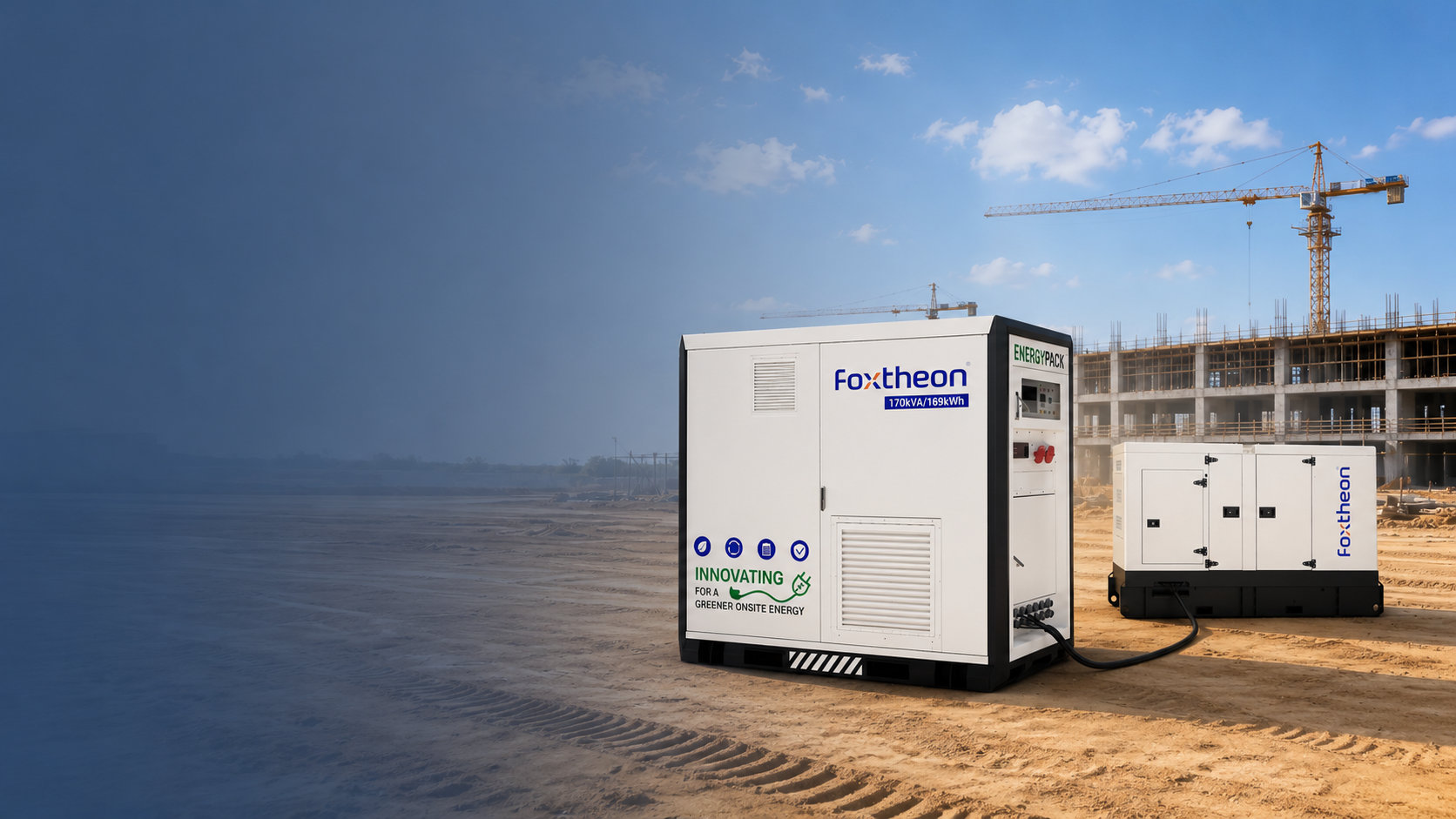
Remote industrial deployments require absolute electrical reliability independent of centralized utility infrastructures. Whether operating an edge-node telecommunications hub, an extractive resource facility, or a localized micro-utility, deploying robust off the grid solutions demands a granular understanding of power electronics, dynamic load behavior, and multi-source energy orchestration. Rather than relying on singular generation pathways, contemporary industrial designs merge advanced photovoltaic semiconductors, electrochemical energy storage systems (BESS), and reciprocating engine assets into a unified, autonomous network.
Engineering these decentralized energy architectures involves balancing continuous baseline requirements against sudden inductive inrush events. Achieving equilibrium across this spectrum without utility backstops requires rigorous component selection, precision frequency regulation, and intelligent resource dispatch algorithms. Companies like Foxtheon develop equipment engineered specifically to handle these complex generation challenges, ensuring operational continuity across demanding operating environments.
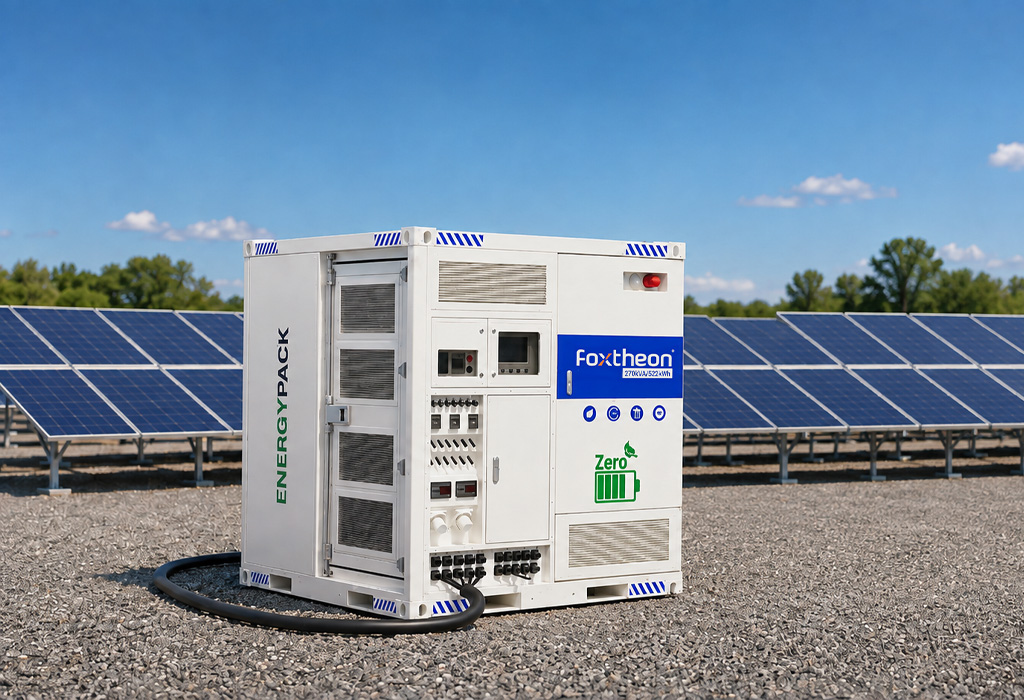
Photovoltaic Materials and Generation Physics in Isolated Networks
Primary generation in remote microgrids often originates from solar photovoltaic arrays. The operational efficacy of these arrays hinges on semiconductor metallurgy and cell topography, which directly dictate energy yield under variable ambient temperatures and diffuse irradiance.
Semiconductor Topography: TOPCon vs. Heterojunction (HJT)
Modern system design has transitioned away from conventional p-type Passivated Emitter and Rear Cell (PERC) architectures toward n-type substrates, primarily Tunnel Oxide Passivated Contact (TOPCon) and Silicon Heterojunction (HJT) technologies. The fundamental advantage of n-type silicon lies in its zero susceptibility to Light-Induced Degradation (LID) caused by boron-oxygen complexes, preserving system yields over multi-decade lifecycles.
- TOPCon Technology: Incorporates an ultra-thin silicon oxide tunnel layer combined with poly-crystalline silicon. This configuration dramatically suppresses surface carrier recombination velocities, yielding cell conversion efficiencies frequently exceeding 25%. Its low temperature coefficient of power (approximately -0.30%/°C) makes it well-suited for high-ambient desert environments where thermal derating impairs standard arrays.
- Heterojunction (HJT): Merges thin layers of non-crystalline amorphous silicon onto monocrystalline silicon wafers. HJT boasts an even superior temperature coefficient (-0.26%/°C) and a bifaciality factor reaching up to 90%. This elevated bifacial performance enables arrays to harness extensive albedo reflections from sandy, rocky, or snow-covered terrains, substantially augmenting energy yield per square meter of structural framing.
Degradation Kinetics and Environmental Longevity
Beyond initial nameplate conversion efficiency, long-term generation performance is governed by resistance to potential-induced degradation (PID) and light-and-elevated-temperature-induced degradation (LeTID). In isolated operations where replacement logistics are arduous, specifying dual-glass (glass-glass) modules utilizing polyolefin elastomer (POE) encapsulants rather than standard ethylene-vinyl acetate (EVA) provides a moisture-impermeable barrier. This mechanical construction minimizes acetic acid formation, mitigating internal busbar corrosion and maintaining system longevity under severe environmental stress.
Electrochemical Energy Storage Architecture and Dynamics
Generating power must be paired with dynamic energy reserves capable of instantaneous millisecond response. Within high-demand off the grid solutions, the battery energy storage system functions as both the primary energy reserve and the dynamic system stabilizer.
Lithium Iron Phosphate (LFP) vs. Alternative Chemistries
Lithium Iron Phosphate ($\text{LiFePO}_4$) remains the industry benchmark for stationary industrial applications. The covalent bonding between phosphorus and oxygen atoms within the olivine crystal structure provides elevated structural and chemical stability. This configuration offers distinct operating profiles compared to nickel-manganese-cobalt (NMC) or lead-acid options:
- Intrinsic Safety: Possesses a thermal runaway threshold exceeding 270°C, providing exceptional resistance to structural breakdown under overcharge or thermal duress.
- Cycle Longevity: Capable of achieving 6,000 to 10,000 cycles at 80% Depth of Discharge (DoD), depending on charge rates and operating cell temperatures.
- Charge Acceptance: Accommodates continuous C-rates of 0.5C to 1C, enabling rapid replenishing cycles during narrow peak generation windows without precipitating metallic lithium plating on the graphite anode.
Thermal Management Topologies
Operating stationary batteries in isolated territories exposes cells to extreme diurnal temperature shifts. While forced-air cooling systems suffice for low-rate, moderate-climate installations, high-throughput commercial applications demand closed-loop liquid cooling systems. Liquid thermal management maintains inter-cell temperature deltas within $\le 3^\circ\text{C}$, preventing uneven cell aging, optimizing state-of-charge (SoC) symmetry across large rack formations, and maintaining usable capacity across extreme climates.
Power Conversion and Multi-Asset Synchronization
The operational core of autonomous power generation is the Power Conversion System (PCS) and its associated synchronization logic. In off-grid configurations, power electronics transition from grid-following devices to grid-forming anchors responsible for voltage and frequency stabilization.
Grid-Forming Inverters and Virtual Synchronous Machines (VSM)
Grid-following inverters rely on an established voltage vector provided by an external utility to dictate their current output. In completely independent systems, at least one conversion asset must operate in grid-forming mode. Grid-forming inverters establish an internal voltage phasor, creating the system voltage reference ($\mathbf{V}$) and nominal frequency ($\mathbf{f}$).
Through the integration of virtual synchronous machine (VSM) programming, the inverter emulates the physical inertia traditionally provided by heavy spinning rotors in electromechanical generators. When sudden inductive loads switch on—such as large water pump motors or industrial crushing equipment—the inverter dynamically draws from the DC-link energy storage to inject synthetic inertia into the AC microgrid within microseconds, dampening the rate of change of frequency ($\text{RoCoF}$) and averting system trips.
Harmonious Operation with Existing Synchronous Generators
Industrial facilities operating in remote geographies frequently possess established reciprocating internal combustion engine generator assets. Modern smart off the grid solutions do not seek to discard these legacy machines; instead, they harmonize with them to build an optimized multi-tier hybrid generation scheme.
Advanced system integrators configure bidirectional converters to interface directly with diesel or gas synchronous generation units. Utilizing dynamic active power-frequency ($P-f$) and reactive power-voltage ($Q-V$) droop controls, the battery storage system acts as a high-speed dynamic buffer. This buffer absorbs load fluctuations, enabling legacy generators to operate continuously within their optimal efficiency window (typically 70% to 85% of rated load capacity). This hybridization mitigates engine issues such as wet-stacking (unburned fuel buildup due to low-load operation), reduces thermal cycling stress, and extends major overhaul intervals without compromising overall power security.
Specialized hybrid controller products, such as those engineered by Foxtheon, execute microsecond-level telemetry to balance loads precisely between the renewable DC bus, the battery conversion system, and synchronous mechanical gensets, maximizing overall plant fuel economy and system lifespan.
Evaluating Industrial Sourcing and Procurement Parameters
Procuring commercial-grade equipment for standalone networks requires rigorous technical vetting. Components designed for simple grid-tied distributed generation often fail when exposed to the continuous duty cycles and isolated fault conditions characteristic of non-interconnected environments.
Standards and Technical Compliance
Procurement teams must audit third-party engineering certifications to ensure operational compliance under extreme variables. Foundational testing criteria include:
- IEC 62109-1 / -2: Safety requirements for power electronic converters used in photovoltaic power systems, ensuring insulation coordination and fault containment.
- UL 9540A: Standard for test methods for evaluating thermal runaway fire propagation in Battery Energy Storage Systems, verifying safety limits in dense rack formations.
- IEEE 1547.4: Implementation guidelines for the design, operation, and integration of distributed resource island systems with electric power systems.
- IEC 60068 Series: Rigorous environmental testing documentation verifying operational capability under continuous salt-mist corrosion, mechanical vibration, and elevated humidity.
Industrial Communications and Control Protocols
System resilience is contingent on deterministic, low-latency telemetry between all generation assets, battery management systems (BMS), power conversion units, and microgrid central controllers. Commercial hardware must provide physical isolation across industrial communication channels. Systems must natively support Modbus TCP/IP, CANopen, and emerging IEC 61850 protocol standards. Deterministic control intervals of under 100 milliseconds are required to effectively coordinate real-time generator dispatch and battery state-of-charge balance.
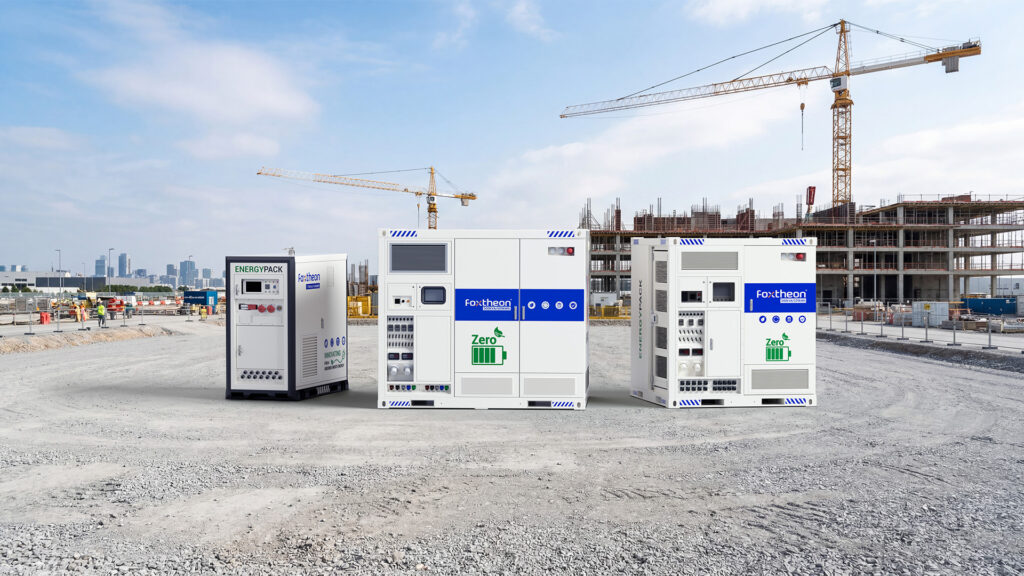
Deploying Scalable Off the Grid Solutions Across Diverse Load Profiles
Every remote application presents unique mechanical and electrical constraints. Engineering an optimal configuration depends heavily on the specific load duration curve and the nature of downstream utilization equipment.
Remote Extractive and Processing Operations
Extractive facilities feature severe cyclic loading characteristics driven by large variable frequency drives (VFDs), slurry pumps, and material handling systems. These profiles induce extensive harmonic distortions and non-linear power draw. In these setups, deploying high-capacity central inverter systems equipped with active power filtering mitigates total harmonic distortion ($\text{THD}$) down to less than 3%, ensuring pristine sinusoidal power delivery that safeguards sensitive analytical instrumentation and down-hole tools.
Edge Telecommunications and Base Transceiver Stations (BTS)
Unlike heavy industrial processing sites, off-grid telecom facilities display continuous, predictable DC base loads alongside cyclic climate control AC spikes. Here, decentralized and highly modular off the grid solutions excel. Utilizing high-efficiency DC-coupled solar charge controllers paired with high-voltage battery racks streamlines energy transfer by eliminating multiple DC-to-AC conversion steps, securing peak system operating efficiencies of up to 96%.
Regardless of the application scale, organizations require resilient, highly adaptable energy architectures designed to operate without reliance on conventional infrastructure. Advanced energy systems from Foxtheon reflect this philosophy, combining intelligent system integration, robust power electronics, and modular scalability to deliver dependable power anywhere.
Industrial Technical Inquiries
Commercial project developers, engineering procurement contractors (EPCs), and facility operators requiring system modeling, microgrid simulation data, or hardware integration documentation for specialized off the grid solutions are invited to submit their electrical Single Line Diagrams (SLD), peak load profiles, and site environmental data for comprehensive technical review.
Direct inquiries to our system applications engineering department: https://www.foxtheon.com/contact-us/
Frequently Asked Questions
Q1: How do grid-forming inverters establish microgrid stability without an external utility frequency reference?
A1: Grid-forming inverters operate as a controllable voltage source rather than a controlled current source. Using sophisticated virtual synchronous machine (VSM) algorithms, they dictate system voltage magnitude and frequency independently. By continuously monitoring real-time load shifts, they dynamically adjust active and reactive power output using internal droop characteristics, creating synthetic inertia that stabilizes the microgrid instantaneously during step changes in electrical demand.
Q2: Why are n-type TOPCon panels preferred over standard p-type PERC panels in remote microgrid projects?
A2: N-type TOPCon panels utilize an advanced n-doped silicon wafer base that eliminates the boron-oxygen pairs responsible for Light-Induced Degradation (LID). Additionally, TOPCon possesses a lower temperature coefficient of power (-0.30%/°C versus -0.38%/°C for PERC) and superior low-light irradiance spectral response. This ensures higher energy yields during extreme ambient heat conditions and cloudy weather, maintaining energy inputs in isolated environments where alternative generation is limited.
Q3: How do modern microgrid controllers interface with legacy diesel generator units without causing reverse power conditions?
A3: Microgrid controllers maintain real-time telemetry with both the battery storage system and the generator control unit (GCU). By implementing active export limiting and dynamic generator power setpoints, the controller prevents solar generation from feeding back into the generator windings—a condition that causes engine overspeed trips and mechanical stator damage. Furthermore, the controller ensures the generator maintains a minimum loading threshold (often 30-40%) to avert fuel wet-stacking and carbon fouling.
Q4: What role does system coupling topology (AC-Coupled vs. DC-Coupled) play in selecting off-grid architecture?
A4: DC-coupled architectures route solar array energy directly to the battery storage system via DC-DC charge controllers before converting to AC for site loads, delivering maximum electrical efficiency for applications with substantial energy storage requirements and daytime surplus generation. AC-coupled architectures integrate generation and storage systems directly via an AC bus, making them more adaptable for large-scale physical sites where long transmission runs occur at high AC voltages, or where energy is predominantly consumed directly during peak daylight hours.
Q5: What mechanical measures ensure battery energy storage longevity in remote, high-dust industrial operations?
A5: Stationary industrial batteries in these settings require external enclosures rated to at least IP55 or NEMA 3R/4 standards to block particulate ingress. Internally, closed-loop liquid thermal management systems protect battery cells from ambient dust contamination by isolating the heat exchange cycle from external ambient air. Furthermore, the application of conformal coatings to electronic printed circuit boards (PCBs) within the battery management system (BMS) prevents conductive dust tracking and short circuits caused by ambient moisture variations.