
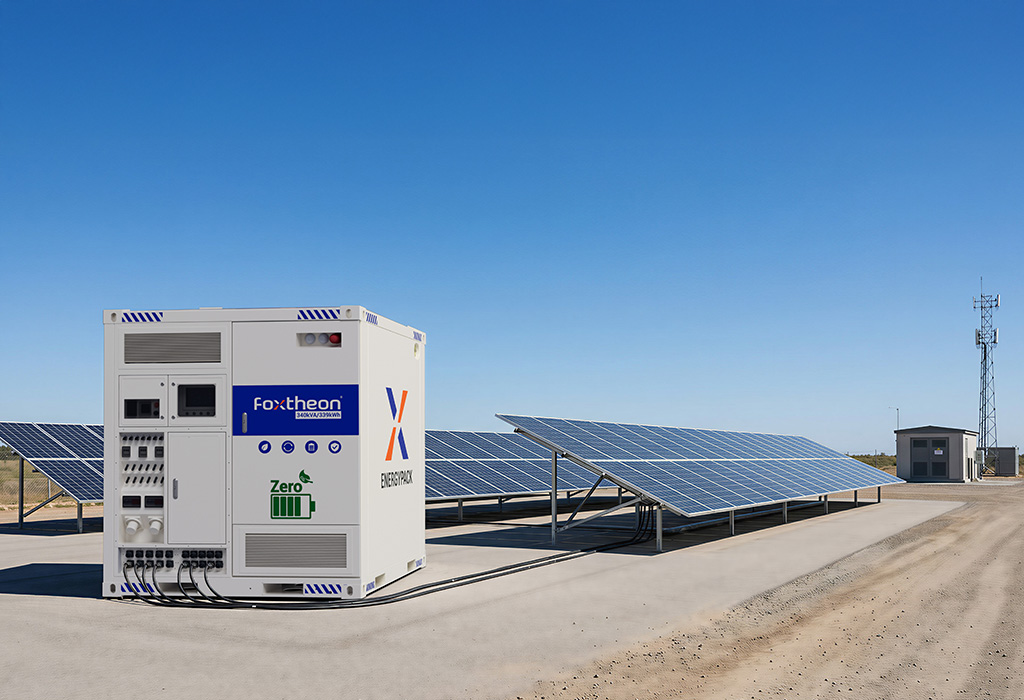
Industrial off-grid operations have historically relied on dedicated diesel generator sets to meet continuous power demands. While these systems provide reliable baseload power, operating them under fluctuating or low-load conditions often results in poor fuel efficiency, accelerated mechanical wear, and increased maintenance intervals. To address these operational challenges, the integration of energy storage systems with conventional internal combustion engines has become a standard approach. Implementing a hybrid power generator topology allows operators to decouple engine output from instantaneous load demands, optimizing overall system performance.
This technical analysis examines the structural engineering, electrical configuration, control logic, and procurement factors that define modern hybrid energy systems. By understanding these technical layers, engineering procurement managers can specify configurations that align with their specific operational environments.
1. System Architecture and Electrical Integration
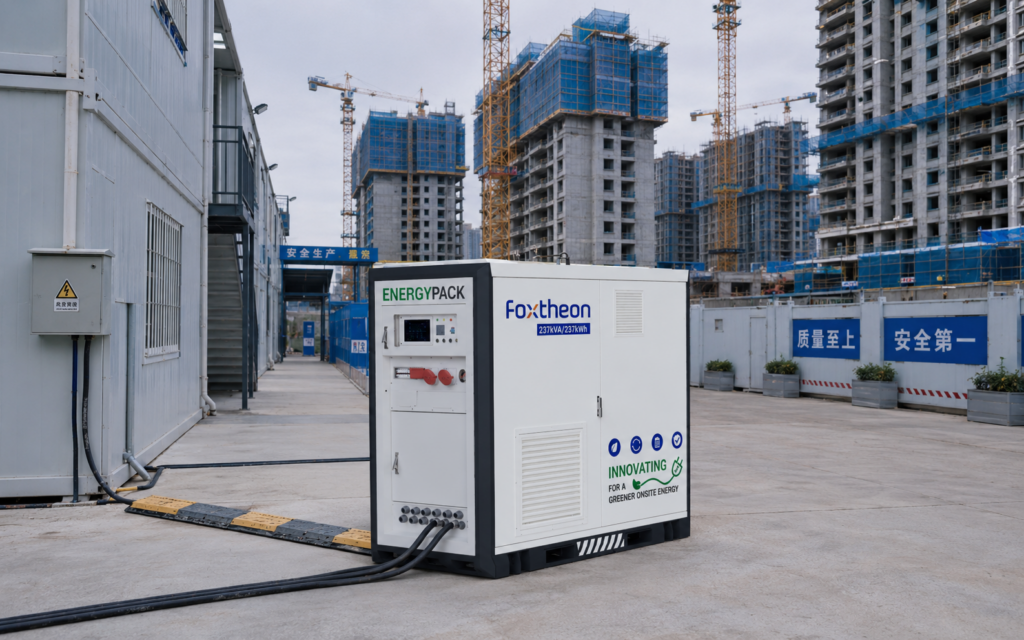
A high-performance hybrid power generator comprises three primary subsystems: the thermal prime mover (diesel or gas engine), the electrochemical storage unit, and the power conversion system (PCS). The topology used to link these components determines how power flows during transient loads and steady-state operations.
AC-Coupled vs. DC-Coupled Topologies
The selection of system topology is a fundamental step in engineering a hybrid system. Each configuration presents distinct advantages depending on load complexity and renewable energy integration requirements:
- AC-Coupled Systems: In this arrangement, the diesel generator, the battery inverter, and any auxiliary renewable sources (such as solar photovoltaic arrays) connect to a common AC bus. This configuration is highly modular, allowing existing generator assets to remain in place with minimal wiring modifications. It is particularly suitable for larger installations where components are physically separated across a site.
- DC-Coupled Systems: In a DC-coupled architecture, auxiliary sources and the battery bank connect to a common DC bus, which then feeds a centralized bi-directional inverter to supply the AC load. This setup is highly efficient for localized systems where battery charging from multiple sources must occur with minimal conversion losses.
In both configurations, system integration requires precise design. Engineering manufacturers such as Foxtheon design systems that balance these topologies, ensuring high power-conversion efficiency and long-term component reliability under varying load demands.
Power Conversion and Electrochemical Storage Chemistry
The battery energy storage system (BESS) within the hybrid setup requires battery chemistry capable of enduring frequent deep-cycling. Lithium Iron Phosphate (LiFePO4) chemistry has become the industry standard for these applications due to its thermal stability and cycle life. Compared to Nickel Manganese Cobalt (NMC) formulations, LiFePO4 offers a higher thermal runaway threshold (approximately 270°C to 300°C) and supports up to 6,000 cycles at an 80% Depth of Discharge (DoD).
The bi-directional Power Conversion System (PCS) acts as the bridge between the battery bank and the AC distribution grid. Key technical specifications to evaluate in the PCS include:
- Total Harmonic Distortion (THD): Must be maintained below 3% to ensure clean power delivery to sensitive electronics and variable frequency drives (VFDs).
- Overload Capability: The inverter should support a transient surge capacity (typically 1.5x to 2x nominal rating for 10 to 30 seconds) to handle motor starting currents.
- Galvanic Isolation: Isolation transformers are integrated within the PCS to isolate the DC battery system from AC grid disturbances and fault currents.
2. Dynamic Load Profiling and Operational Control Logic
Integrating a hybrid power generator into an off-grid application requires a sophisticated Energy Management System (EMS) to govern power dispatch in real-time. Without smart control logic, the system cannot effectively manage fuel consumption or prevent battery degradation.
Mitigating Wet Stacking in Diesel Engines
Diesel generators operating below 30% of their rated capacity fail to reach optimal operating temperatures. This causes unburnt fuel to accumulate in the exhaust manifold, a condition known as wet stacking. Wet stacking leads to carbon buildup on injector nozzles, piston ring stickiness, and premature engine wear.
A hybrid control system mitigates this issue through active load leveling. When the external load falls below the generator’s minimum efficient operating threshold (typically 45% to 50% of rated capacity), the EMS routes excess power from the generator to charge the battery bank. Once the batteries are fully charged, the EMS shuts down the diesel engine completely, allowing the battery inverter to support the low-load period silently and efficiently. This cycle dramatically reduces engine run-hours and prevents the thermal inefficiencies associated with low-load operations.
The diagram below outlines the standard power flow paths managed by the EMS during different operational phases:
| Load Scenario | Diesel Generator Status | Battery Storage Status | Primary Energy Flow |
|---|---|---|---|
| Peak Demand (>80% capacity) | Active (running at peak efficiency) | Discharging (supporting transient load) | Combined generator output and battery discharge to load |
| Standard Baseload (40% – 80%) | Active (optimized load point) | Idle or trickle charging | Generator directly powers load; excess charges battery |
| Low-Load Period (<30% capacity) | De-energized (Off) | Discharging (supplying full load) | Battery storage output through inverter to load |
Peak Shaving and Transient Load Response
In industrial settings like mining or construction, equipment such as cranes, hoists, and crushers draw high starting currents for brief intervals. Sizing a standard generator to meet these momentary peaks requires a larger, less efficient unit. A hybrid power generator solves this through peak shaving. The battery inverter injects instantaneous power during transient surges, allowing the diesel generator to be sized close to the site’s average continuous load rather than its absolute peak demand.
3. Structural Materials, Thermal Management, and Enclosure Design
Industrial hybrid power systems must operate reliably in remote, harsh environments. This requires rugged physical enclosures and advanced thermal management to protect sensitive electronics and battery modules.
Enclosure Materials and Corrosion Prevention
The longevity of a hybrid power generator depends heavily on its structural integrity. Enclosures are usually fabricated from 2.0mm to 3.0mm thick hot-dip galvanized steel or marine-grade aluminum (5052-H32) for coastal or offshore installations. To ensure long-term resistance to environmental wear, manufacturers apply multi-layer coating systems:
- Zinc-Rich Primer: Applied directly to the substrate to provide sacrificial cathodic protection.
- Polyester Powder Coating: Provides resistance to ultraviolet (UV) degradation, chemical exposure, and mechanical impacts. The coating must meet salt spray testing standards (such as ASTM B117) for up to 1,000 hours for standard units, and up to 3,000 hours for C5-M high-corrosive marine environments.
- Ingress Protection (IP) Ratings: The electrical bay housing the PCS and control systems typically requires an IP55 rating to prevent the ingress of fine dust and water jets. The battery compartment may require dedicated HVAC systems to maintain an IP54-rated environment.
Thermal Management Systems
Lithium-ion batteries are highly sensitive to operating temperatures; their optimal performance window is narrow, typically between 15°C and 25°C. Operating batteries above 45°C accelerates capacity degradation, while operating below 0°C limits charging rates and decreases usable energy capacity.
Two primary cooling technologies are used in hybrid systems:
- Forced Air Cooling: Utilizes variable-speed fan arrays and air filtration systems. While cost-effective, its cooling efficiency is limited in high-ambient environments (exceeding 45°C) and requires regular filter replacement to prevent particulate buildup.
- Liquid Cooling Systems: Employs a closed-loop coolant cycle (typically a water-glycol mixture) running through cold plates integrated within the battery modules. Liquid cooling provides precise temperature uniformity across cells, reducing internal temperature gradients to within ±2°C. This technology is preferred for high-density systems and climates with extreme ambient temperatures.
In systems developed for heavy-duty industrial cycles, manufacturers like Foxtheon implement advanced thermal barriers and liquid-chilled designs to ensure long-term operational stability and maintain battery health.
4. Sourcing Guidelines and Supplier Evaluation Metrics
Procuring a hybrid power system involves evaluating several critical engineering and manufacturing variables. Selecting a system based solely on nominal power capacity can lead to integration failures and premature hardware degradation.
Key Technical Specifications for RFQ (Request for Quote)
When drafting procurement specifications for a hybrid power generator, ensure the following parameters are requested:
- Continuous vs. Peak Power Rating: Define both the continuous output of the PCS and its transient power rating, including the duration of the peak capacity.
- Usable Battery Capacity: Specify the capacity at a given Depth of Discharge (e.g., 80% or 90% DoD) rather than the nominal capacity. This represents the actual energy available during operations.
- Integration Capability: Request verification of Modbus TCP/IP, CAN bus, or DNP3 communication protocols to ensure the system integrates cleanly with existing Supervisory Control and Data Acquisition (SCADA) platforms.
Evaluating Manufacturer QA and Testing Standards
Reliable manufacturers should provide documentation demonstrating adherence to international quality and testing standards. Prior to shipment, systems should undergo comprehensive Factory Acceptance Testing (FAT). Key standards include:
- IEC 62619: Safety requirements for secondary lithium cells and batteries for industrial applications.
- UL 9540A: Test method for evaluating thermal runaway fire propagation in battery energy storage systems.
- CE Compliance: Ensures the integrated electrical components meet safety and electromagnetic compatibility directives.
Industrial manufacturers like Foxtheon offer comprehensive testing reports and design files to verify that their equipment performs reliably under demanding site conditions.
Frequently Asked Questions
Q1: What is the primary difference between AC-coupled and DC-coupled hybrid systems?
A1: In an AC-coupled system, components like the diesel generator and battery inverter connect to a common AC distribution line, offering high modularity and easier integration with existing generator assets. In a DC-coupled system, solar arrays and battery banks connect to a shared DC bus before converting to AC through a central inverter, resulting in higher round-trip charging efficiency for localized systems.
Q2: How does a hybrid power generator mitigate the issue of wet stacking in diesel engines?
A2: When external demand falls below the engine’s minimum thermal efficiency range (typically 30% to 50% load), the system’s energy management controller directs the generator to charge the battery bank at an optimized load point. Once charged, the engine is shut down, and the battery inverter quietly supports the low-load period, preventing fuel condensation and carbon accumulation in the engine.
Q3: What are the typical cycle-life expectations for the energy storage unit within these systems?
A3: Industrial hybrid systems using Lithium Iron Phosphate (LiFePO4) chemistry typically deliver between 4,000 and 6,000 cycles at an 80% Depth of Discharge (DoD) under recommended operating temperatures. Actual life depends on discharge rates, temperature management, and daily cycling profiles.
Q4: What environmental conditions dictate the choice of liquid cooling over air cooling in hybrid enclosures?
A4: Liquid cooling is highly recommended for environments with high ambient temperatures (above 40°C), high humidity, or high levels of airborne dust, such as desert mining sites or coastal installations. It maintains tight cell temperature uniformity, extending battery life in challenging climates.
Q5: How does the system handle rapid step-loads without voltage sags?
A5: The bi-directional inverter in a hybrid generator features high-speed digital signal processing that detects transient drops in voltage. It injects active power from the battery bank within milliseconds, stabilizing the local grid while the mechanical governor of the diesel generator ramps up to meet the new load demand.
Inquiry
For detailed technical specifications, customized system drawings, or engineered quotes tailored to your site’s specific load profiles, please contact our technical application engineering team. Our engineering specialists are available to review your load charts and assist in sizing an optimized hybrid power configuration.