
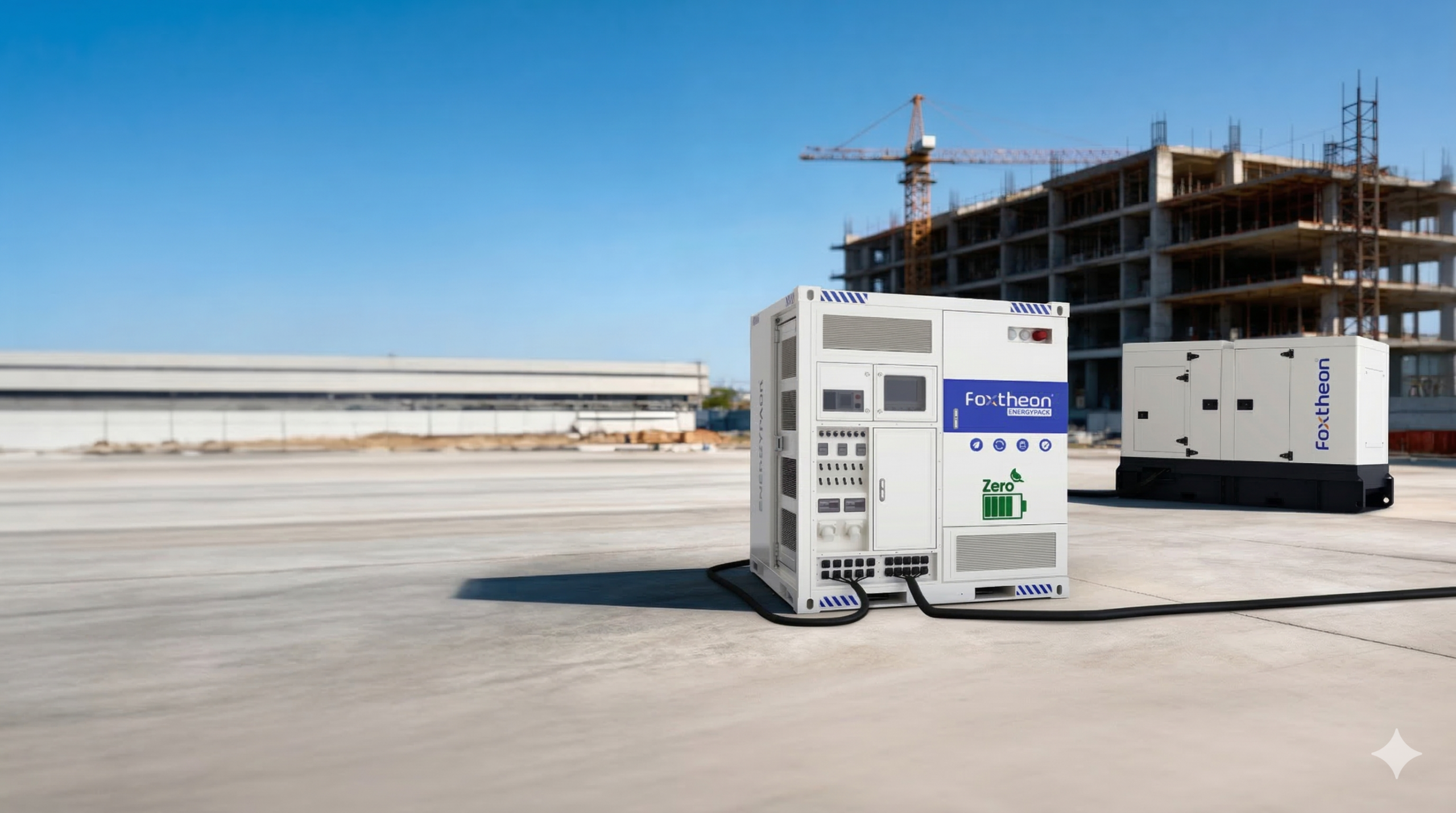
Industrial off-grid energy infrastructure is undergoing a significant transformation driven by the need for continuous operational uptime, fuel efficiency, and grid independence. Remote industrial operations, commercial facilities, and utility infrastructure require robust electrification solutions capable of handling variable loads under dynamic environmental conditions. Incorporating a hybrid solar power generator into existing microgrid architectures provides a resilient framework that synthesizes solar photovoltaic arrays, energy storage systems, and conventional thermal power generation.
This technical analysis evaluates the underlying engineering principles, system integration strategies, material specifications, and operational logic required to specify and deploy enterprise-grade hybrid power solutions effectively.
1. System Topology and Operational Control Logic
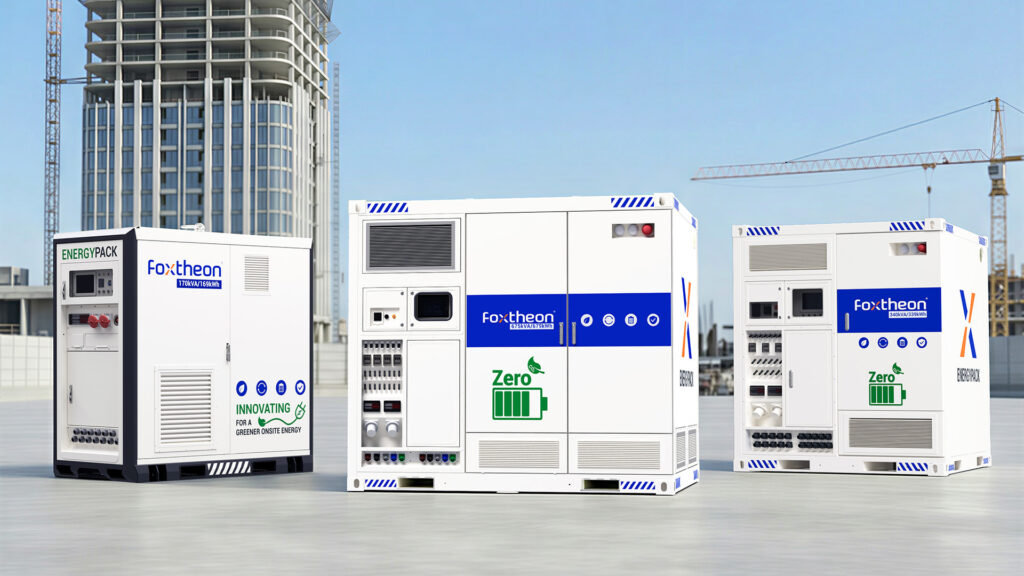
A hybrid solar power generator functions as the central dispatch hub within a localized energy network. The system seamlessly reconciles intermittent renewable generation with demand profiles through coordinated power conversion, switching, and buffering.
AC Coupling vs. DC Coupling Architectures
System topology selection determines overall power conversion efficiency, system expandability, and deployment complexity.
- DC-Coupled Systems: In a DC-coupled configuration, solar PV strings deliver direct current to a high-voltage Maximum Power Point Tracking (MPPT) charge controller, which connects directly to the system’s DC bus and energy storage array. The central inverter then converts DC energy into regulated AC output for distribution. This design achieves higher round-trip efficiency during energy storage charging, as power undergoes a single DC-to-DC conversion step. DC coupling is optimal for applications where solar energy primary function is battery replenishment.
- AC-Coupled Systems: AC-coupled configurations feature dedicated grid-tied solar inverters connected directly to the AC distribution bus, operating alongside a bidirectional battery inverter. Solar energy directly powers active AC loads during daytime peak generation. Surplus energy is converted back to DC through the bidirectional inverter to charge the battery bank. AC coupling offers higher operational flexibility for retrofitting existing AC generation assets and provides higher efficiency when instant real-time solar utilization matches continuous load profiles.
Microgrid Controller Dynamics and Grid-Forming Capabilities
The core intelligence of a system designed by engineering providers like Foxtheon relies on advanced microgrid control units (MCUs) running proprietary firmware algorithms. Modern systems utilize grid-forming inverters capable of establishing synthesized voltage and frequency reference baselines without requiring a steady utility grid connection.
When operating in tandem with legacy combustion engines, the MCU continuously monitors parameter metrics such as state of charge (SoC), active load steps, real power (kW), and reactive power (kVAR). The controller executes automated operational sequences based on deterministic parameters:
- Droop Control Mechanisms: Regulates real and reactive power sharing among parallel conversion sources without active communication links, ensuring frequency and voltage stability across fluctuating demand cycles.
- Dynamic Fuel Offset Logic: Modulates engine output to ensure thermal generators run within their optimal efficiency window (typically 60% to 80% prime load rating), relying on the battery buffer to absorb load spikes and supply power during low-load conditions.
- Black-Start Capability: Utilizes internal stored energy reserves to energize control circuits and build up output voltage vectors, establishing nominal microgrid frequency prior to load connection.
2. Photovoltaic Integration and Material Specifications
Selecting appropriate photovoltaic module technologies and string engineering parameters is vital for optimizing energy harvest across harsh operational environments.
Advanced PV Module Technologies
Industrial applications demand solar panels with high efficiency ratings, low temperature coefficients, and extended mechanical durability under ambient stress.
- N-Type TOPCon (Tunnel Oxide Passivated Contact): TOPCon modules exhibit lower annual degradation rates (~0.4%) compared to traditional P-type PERC structures (~0.55%). Their superior temperature coefficient (-0.30%/°C) ensures stable power production in high ambient temperature regions such as desert installations.
- Heterojunction (HJT) Arrays: HJT technology integrates thin-film amorphous silicon layers with crystalline silicon wafers, delivering cell efficiencies exceeding 25%. HJT modules provide exceptional bifaciality factors (up to 85%), capturing significant reflected light from surrounding soil, sand, or concrete surfaces when deployed on ground-mount structures.
Inverter-MPPT Voltage Matching and Environmental Resistance
String design for an enterprise-level hybrid solar power generator demands precise voltage matching under extreme thermal limits. Open-circuit voltage (Voc) calculations must account for local historical minimum temperatures to prevent DC bus overvoltage faults.
MPPT algorithms must employ Perturb and Observe (P&O) or Incremental Conductance strategies with fast dynamic responses (<100ms tracking cycles) to maintain maximum energy extraction under rapid irradiance variations caused by cloud movement. Additionally, string junction components must meet IP67 or IP68 ingress standards, featuring anti-PID (Potential Induced Degradation) protection to maintain insulation resistance over multi-year deployment lifecycles.
3. Electrochemical Storage and Battery Management Architecture
The energy storage system serves as the dynamic buffer within a hybrid solar power generator, providing frequency response, voltage support, and energy shift capabilities.
Lithium Iron Phosphate (LiFePO4) Dominance
Lithium Iron Phosphate chemistry remains the industry baseline for stationary and transportable power applications due to its chemical stability, long cycle life, and thermal resistance.
- Thermal Stability: LiFePO4 cells resist thermal runaway up to temperatures exceeding 270°C, offering intrinsic safety compared to high-density nickel-manganese-cobalt (NMC) chemistries.
- Cycle Life Metrics: Grade-A prismatic LFP cells maintain 80% capacity retention after 6,000 to 8,000 cycles at 80% Depth of Discharge (DoD) under nominal 0.5C charge/discharge rates.
Battery Management System (BMS) Topology
A multi-tiered BMS architecture maintains cell equilibrium, system safety, and precise operational reporting. System integration solutions engineered by Foxtheon implement primary cell-level monitoring alongside master pack control modules.
- Active Balancing Protocols: Active balance circuits redistribute charge from higher-voltage cells to lower-voltage cells using inductive or capacitive transfer channels, avoiding energy waste associated with passive resistive dissipation.
- State Estimation Algorithms: Combining Coulomb counting with Extended Kalman Filter (EKF) calculations yields State of Charge (SoC) accuracy within ±1.5% under high dynamic loading scenarios, preventing unexpected low-voltage cutoffs.
- Thermal Management Regimes: Liquid cooling plates integrated directly between cell matrix groupings maintain pack delta temperatures within ≤3°C, extending overall battery lifecycle metrics in extreme ambient environments.
4. Symbiotic Integration with Legacy Thermal Generation Assets
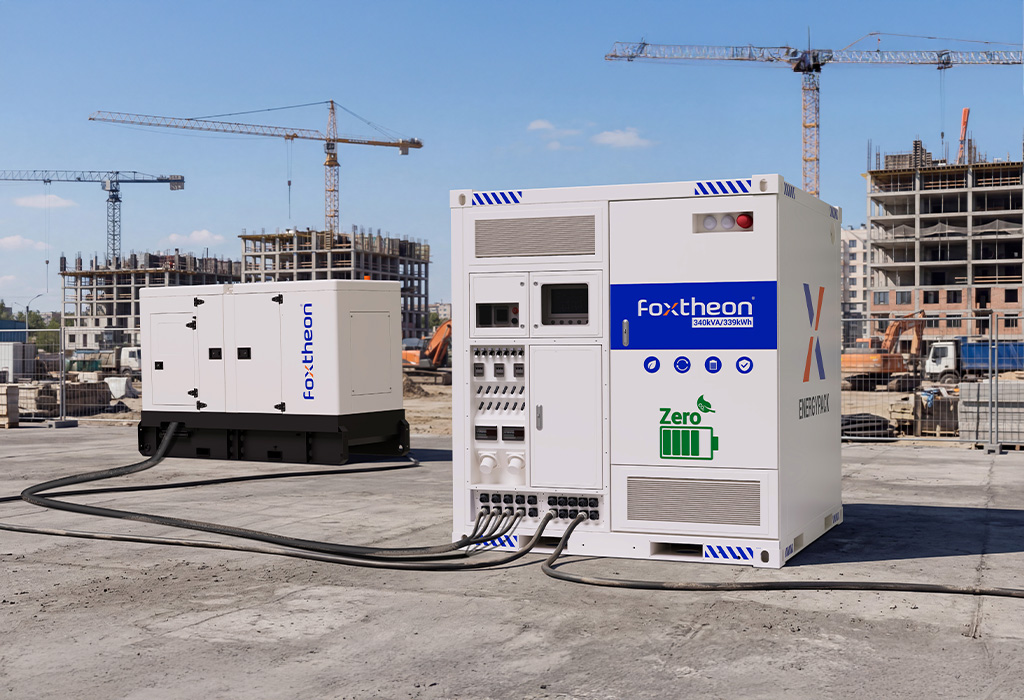
A strategic core function of a hybrid solar power generator is optimizing the operational parameters of existing diesel and natural gas gen-sets rather than attempting absolute mechanical displacement. Thermal generators running under low-load conditions (<30% prime capacity) suffer from severe internal combustion inefficiencies, including wet stacking, unburnt fuel deposition, carbon fouling, and premature cylinder ring wear.
Optimizing Thermal Engine Run Parameters
Integrating intelligent energy storage and solar integration alters thermal generator run cycles:
- Spinning Reserve Offloading: The energy storage inverter acts as a virtual spinning reserve. It provides sub-10-millisecond power response during transient load surges, eliminating the need to keep idle thermal generators operating continuously at inefficient minimal loads.
- Peak Shaving Logic: When facility loads approach the engine’s upper operational limits, the power conversion system releases energy from the storage bank to supply parallel current, preventing engine overload trips and maintaining steady voltage output.
- Automated Genset Management (AGM): The microgrid controller issues start/stop commands to connected generators based on calculated load thresholds and battery SoC limits. Engines are engaged only to operate within high-efficiency windows to recharge the battery bank or handle baseline continuous loads, significantly reducing overall engine wear and prolonging scheduled maintenance intervals.
5. Engineering Criteria for Enterprise Procurement and Sizing
Selecting and configuring a industrial-grade hybrid solar power generator requires systematic load profiling and strict technical evaluation.
Load Profile Analysis and Transient Response Requirements
Engineers must categorize site electrical loads into continuous baseline, variable operational, and inductive dynamic loads (such as direct-on-line motor starts, HVAC compressors, or heavy pumping gear). Inductive loads create substantial initial dynamic surge currents (inrush current up to 6x nominal rating).
Power conversion systems built by specialized developers like Foxtheon integrate heavy-duty power electronics designed to sustain short-term overload limits (e.g., 150% overload for 10 seconds, 200% for 2 seconds) without triggering overcurrent software trips, maintaining continuous power delivery to critical operations.
Environmental and Physical Design Considerations
Field installations demand enclosure engineering capable of handling challenging physical settings:
- Ingress and Corrosion Protection: Structural steel enclosures must incorporate C4 or C5-I industrial-grade anti-corrosion paint systems alongside IP54 or IP55 electrical enclosures to withstand marine, coastal, or humid environment operational stresses.
- Thermal Operating Windows: System cooling design must maintain rated power outputs across ambient operating windows from -20°C to +55°C, using automated internal HVAC heating and cooling modules to regulate battery room environments.
- Communication Protocol Standardization: The system must feature open communication buses—such as Modbus RTU, Modbus TCP, CANbus, and DNP3—to ensure direct integration with existing Supervisory Control and Data Acquisition (SCADA) networks and remote management telemetry software.
Frequently Asked Questions
Q1: How does a hybrid solar power generator maintain uninterrupted power during abrupt load spikes?
A1: Advanced hybrid power architectures utilize high-speed digital signal processing (DSP) inside grid-forming bi-directional inverters. When a sudden high-magnitude load step occurs, the battery inverter releases current directly from the energy storage bank in less than 10 milliseconds. This rapid response buffers the grid, allowing the microgrid controller time to ramp up secondary solar generation or send automated start signals to thermal generator assets without experiencing power drops.
Q2: Can a hybrid system be integrated into an existing diesel generator setup without replacing current switchgear?
A2: Yes. Systems designed with standard AC-coupling protocols connect directly to existing AC distribution switchboards. The microgrid controller interfaces with existing automatic transfer switches (ATS) and generator control modules via industrial communication protocols like Modbus or dry contact signals. This setup allows seamless integration without replacing working generator assets.
Q3: What are the primary battery safety protocols implemented in modern industrial hybrid systems?
A3: Safety design relies on multi-tier protection strategies. At the cell level, stable Lithium Iron Phosphate (LiFePO4) chemistry mitigates thermal runaway. At the system level, an integrated BMS actively monitors cell voltages, temperatures, and current. Physical safety mechanisms include automated circuit breakers, localized aerosol or gas-based fire suppression modules within the battery compartment, and isolation barriers separating energy storage from sensitive power electronics.
Q4: How do ambient temperature extremes affect system performance and operational life?
A4: Extreme cold reduces chemical kinetic activity within lithium cells, temporarily lowering available discharge capacity, while excessive heat accelerates cell degradation. Modern hybrid systems mitigate these environmental factors using climate-controlled enclosures equipped with liquid cooling or industrial HVAC units. These thermal management systems maintain internal battery temperatures within the optimal 20°C to 25°C window regardless of external conditions.
Q5: What telemetry and remote monitoring capabilities are available for off-grid hybrid power systems?
A5: Enterprise-grade units integrate IoT telemetry gateways that transmit operational parameters—such as real-time solar input, SoC, load profiles, ambient readings, and error logs—to cloud platforms via cellular, satellite, or local Ethernet connections. Plant operators can remotely monitor performance, run remote diagnostics, execute firmware updates, and optimize dispatch schedules via web-based management interfaces.
To request technical datasheets, request site load analysis, or discuss custom power conversion system integration for your operational facilities, submit your project requirements to the engineering team at Foxtheon.