
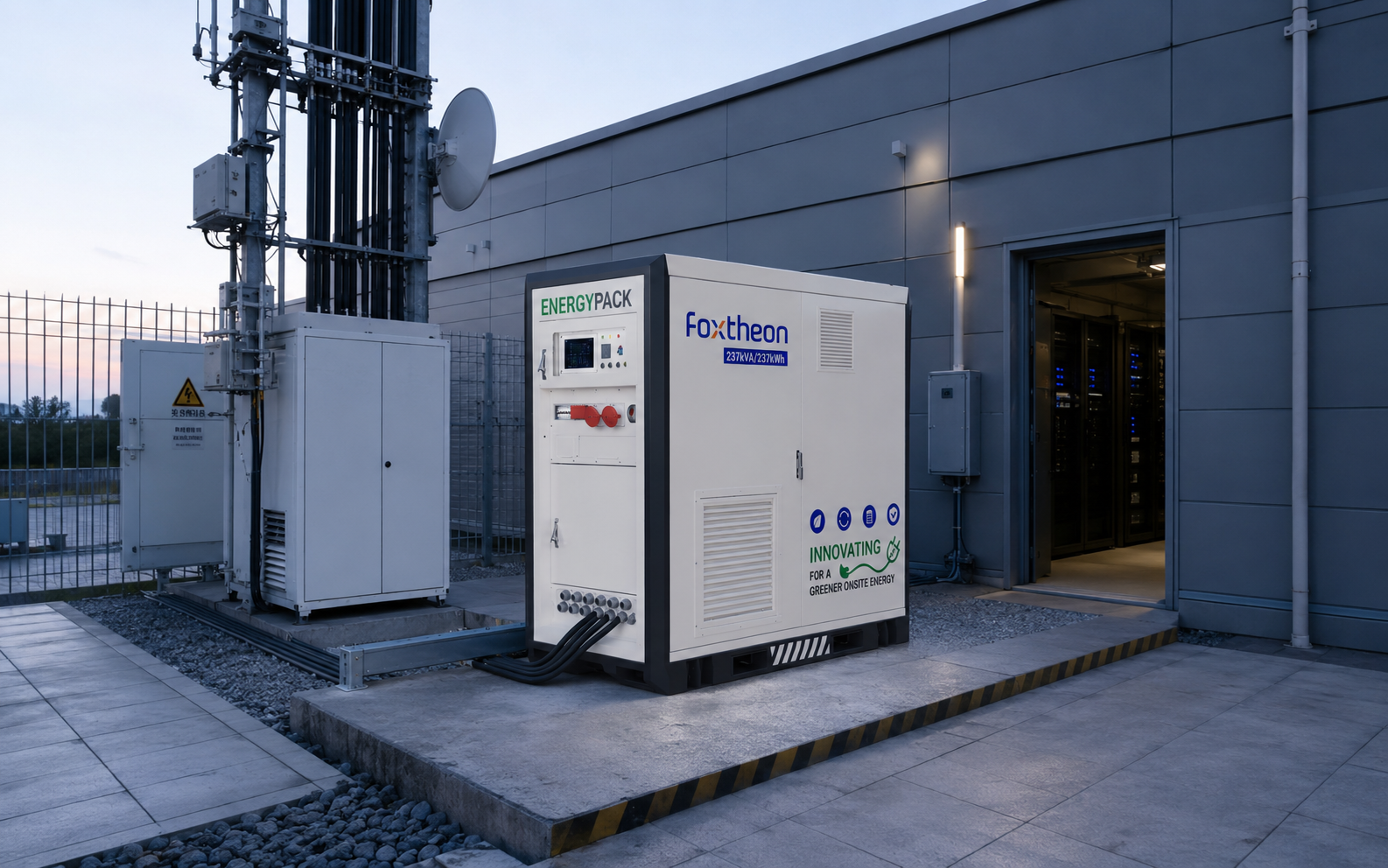
In the evolving landscape of distributed energy resources, the distinction between off grid and hybrid solar system architectures represents more than a technical specification—it defines operational resilience, fuel savings, and long-term energy strategy for mission-critical facilities. While pure off-grid installations have served remote telecom towers and agricultural pumps for decades, the integration of hybrid topologies—coupling solar PV, battery storage, and backup generators with intelligent energy management—now addresses the intermittent nature of renewables while maintaining 24/7 availability. This analysis examines the engineering trade-offs, component selection criteria, and real-world performance factors that separate robust systems from oversimplified proposals.
For engineering procurement and construction (EPC) firms, system integrators, and facility owners, the decision to deploy an off grid and hybrid solar system hinges on load profile, site irradiation, and acceptable risk of power interruption. Unlike grid-tied inverters that simply curtail output during outages, hybrid inverters must seamlessly transition between multiple power sources, often within milliseconds. This requirement drives the choice of topology: DC-coupled architectures offer higher round-trip efficiency for frequent cycling, while AC-coupled designs provide modularity and easier integration with existing generator fleets. The following sections dissect these configurations through the lens of component degradation, control logic, and site-specific engineering.
Technical Architecture: DC-Coupled vs. AC-Coupled Hybrid Topologies
The core of any off grid and hybrid solar system lies in its power conversion and energy storage integration. DC-coupled systems, where solar charge controllers feed battery banks directly and a single hybrid inverter converts DC to AC for loads, are prevalent in smaller off-grid sites. Their advantage lies in simplified control: the inverter’s internal MPPT (Maximum Power Point Tracking) algorithm matches array voltage to battery state of charge, reducing conversion stages. However, this topology limits scalability—adding more solar or storage requires reconfiguring the DC bus voltage, often necessitating replacement of the charge controller.
AC-coupled systems, conversely, treat the solar inverter and battery inverter as independent AC sources, synchronized to a common microgrid bus. This approach, increasingly favored for commercial hybrid installations, allows incremental expansion: additional solar arrays connect via standard string inverters, while separate battery inverters manage storage. The trade-off is increased complexity in frequency-watt and voltage-var control, particularly during islanded operation. For a 500 kW off grid and hybrid solar system serving a mining camp, AC coupling provides the flexibility to operate multiple generator sets in parallel, shedding solar during low-load periods to maintain minimum generator loading—a critical function for diesel engine health.
Energy Management System (EMS) Logic and Dispatch Strategies
Intelligent EMS is the differentiator between a basic backup system and a truly optimized off grid and hybrid solar system. The EMS processes inputs from weather forecasting, load prediction, battery state-of-health, and fuel levels to decide in real-time whether to charge from solar, discharge batteries, or start the generator. Three primary dispatch modes dominate commercial applications:
- Load-Following Mode: Solar and battery supply instantaneous load; the generator starts only when state-of-charge (SoC) falls below a configurable threshold (typically 30-40%). This maximizes renewable fraction but increases battery cycling depth.
- Cycle-Charging Mode: The generator runs at optimal load (70-80% of rating) to recharge batteries quickly, then shuts down. This reduces generator run hours and maintenance intervals, particularly for sites with high daytime loads.
- Grid-Support Mode (for hybrid with weak grid): The system exports surplus solar to the grid during peak tariff periods and imports during off-peak, effectively using the grid as a seasonal storage buffer. This mode requires certified anti-islanding protection and grid code compliance.
Advanced EMS platforms now incorporate machine learning to adapt to seasonal load variations—for example, reducing battery float voltage during summer months to mitigate thermal runaway risks in lithium iron phosphate (LFP) cells. For Foxtheon integrators, this level of customization is achieved through programmable logic controllers (PLCs) with IEC 61131-3 support, enabling site-specific logic without proprietary lock-in.
Component Selection: Panels, Batteries, and Inverter String Sizing
Material science directly influences the lifecycle cost and reliability of any off grid and hybrid solar system. Photovoltaic panel selection goes beyond nameplate wattage: for off-grid applications where space is limited (e.g., rooftop of a remote shelter), high-efficiency monocrystalline PERC (Passivated Emitter Rear Cell) modules offer better low-light performance and temperature coefficient (-0.35%/°C) compared to polycrystalline. However, for ground-mount arrays with ample area, bifacial glass-glass panels with transparent backsheets can boost energy yield by 10-15% via albedo reflection, though their mounting structure must accommodate rear-side irradiance without shading.
Battery Chemistry and Thermal Management
Lithium-ion batteries have largely supplanted lead-acid in commercial off grid and hybrid solar system designs, but cell chemistry selection remains nuanced. Lithium Nickel Manganese Cobalt (NMC) offers higher energy density (200-250 Wh/kg) suitable for space-constrained retrofits, yet its thermal runaway threshold (~210°C) necessitates active cooling in hot climates. Lithium Iron Phosphate (LFP) provides lower energy density (120-150 Wh/kg) but superior cycle life (6,000+ cycles at 80% DoD) and thermal stability—attributes favored for mining and oil & gas applications where safety and longevity outweigh footprint. A critical consideration is the battery management system (BMS) communication protocol: CAN bus and Modbus RTU are industry standards, but proprietary protocols can hinder integration with third-party inverters, a frequent pain point for system owners seeking multi-vendor sourcing.
String inverter sizing for hybrid systems departs from grid-tied practices. Unlike utility-scale inverters that operate near full capacity during peak sun, off-grid inverters must handle surge currents from motor starts (pumps, compressors) which can reach 5-6x rated current for up to 10 seconds. Selecting an inverter with a peak power rating at least 200% of nominal load is standard practice, with ferroresonant transformer-based designs providing inherent surge capacity but lower efficiency (94-95%) compared to transformerless high-frequency types (98%+). The latter require robust DC filtering to prevent high-frequency leakage currents—a potential source of nuisance GFCI tripping in damp environments.
Application-Specific Engineering: Mining, Telecom, and Agricultural Sites
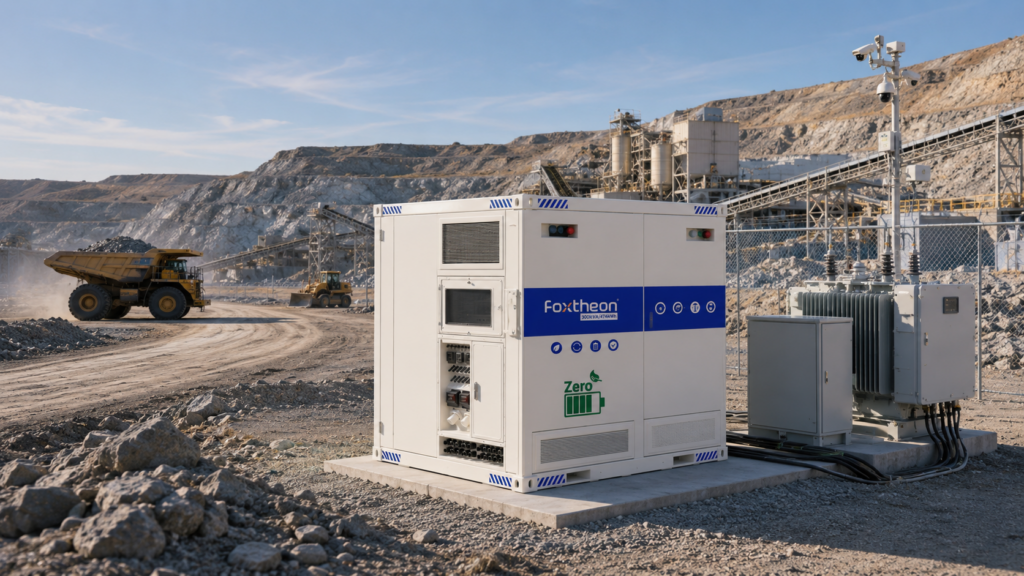
The operational context dictates how an off grid and hybrid solar system is engineered. In mining, where haul trucks and crushers create highly variable loads (from 200 kW to 2 MW within minutes), the hybrid system must incorporate flywheel or supercapacitor buffer storage to smooth PV ramps. Without this, the diesel genset experiences abrupt load steps, increasing particulate emissions and unplanned downtime. Recent installations in Chilean copper mines have demonstrated that a 30% solar penetration with active ramp-rate control (limited to 10% per minute) reduces annual diesel consumption by over 400,000 liters while maintaining voltage regulation within ±5%.
Telecommunication towers, by contrast, present a relatively constant load (3-10 kW) but with stringent RF noise restrictions. Hybrid inverters for these sites require Class B EMI filters and shielded enclosures to prevent interference with microwave links. Battery sizing emphasizes autonomy days—typically 3-5 days of reserve capacity to withstand monsoon cloud cover—leading to oversized banks that operate at shallow DoD (20-30%) to maximize calendar life. For agricultural irrigation, the load profile aligns with solar irradiance (pumping during daylight), so a simpler off-grid setup with PV-direct pumps and minimal battery storage may suffice. However, when operators require night-time irrigation, the hybrid configuration with storage becomes non-negotiable, and the EMS must prioritize battery reserve for critical crop cycles over opportunistic charging.
Common Engineering Pitfalls and Mitigation Strategies
Field data from over 200 hybrid installations reveal recurring design deficiencies that erode system availability. The most frequent issue is undersizing the generator relative to the inverter’s bypass rating—during maintenance or inverter failure, the generator must carry the full load, yet many specifications treat the genset solely as a battery charger. The remedy involves sizing the generator at least 1.25x the continuous inverter rating and installing a motorized transfer switch with a 3-cycle delay to allow generator synchronization.
Another overlooked parameter is harmonic distortion from non-linear loads (variable frequency drives, LED lighting). In an off grid and hybrid solar system, these harmonics circulate within the isolated microgrid, heating transformers and causing nuisance tripping of overcurrent relays. Passive harmonic filters (tuned to 5th and 7th orders) are often field-retrofitted, but a proactive approach involves specifying inverters with active front-end (AFE) rectifiers that maintain total harmonic distortion (THD) below 5% even at 50% load.
PV array grounding and lightning protection demand special attention in off-grid sites, often located in high-lightning zones (e.g., Florida, Southeast Asia). A single direct strike can induce kilovolt surges on DC conductors, destroying MPPT inputs. Transient voltage suppression (TVS) diodes at the combiner box, combined with Type 1 surge arrestors at both DC and AC sides, are mandatory, yet many cost-driven proposals omit the DC-side protection. For systems above 100 kW, installing a dedicated grounding electrode system with low impedance (< 5 Ω) reduces step and touch potentials, protecting both equipment and personnel.
Supplier Vetting and Procurement Specifications
Navigating the global supply chain for off grid and hybrid solar system components requires technical due diligence beyond datasheet comparisons. While many suppliers offer “hybrid inverters,” the nuance lies in grid-forming capability—the ability to establish a stable voltage and frequency reference without an external grid. This feature, essential for off-grid operation, is not standard in all models. Procurement teams should mandate third-party certification to IEEE 1547 and UL 1741 SA, with specific test reports for islanding detection and anti-islanding effectiveness.
For battery storage, requesting a factory acceptance test (FAT) protocol that includes thermal cycling and overcharge protection verification is advisable. Some suppliers provide 10-year performance warranties but exclude capacity degradation due to ambient temperatures above 35°C—a clause that demands scrutiny for projects in the Middle East or sub-Saharan Africa. A transparent supplier will share cycle-life data based on IEC 61427 standards, not optimistic internal tests.
Integration services, particularly for EMS programming, often become the project’s critical path. Foxtheon adopts a modular EMS architecture with pre-tested function blocks for generator start/stop, load shedding, and battery SoC balancing, reducing on-site commissioning time by up to 40% compared to custom-coded solutions. This approach allows EPCs to focus on civil works and array installation, while the control logic is validated in a hardware-in-the-loop (HIL) simulation prior to shipment. Moreover, offering remote firmware updates via encrypted cellular gateways ensures that the system’s dispatch strategy can evolve as load patterns shift—a feature that extends the useful life of the off grid and hybrid solar system without costly hardware changes.
Performance Monitoring and Predictive Maintenance
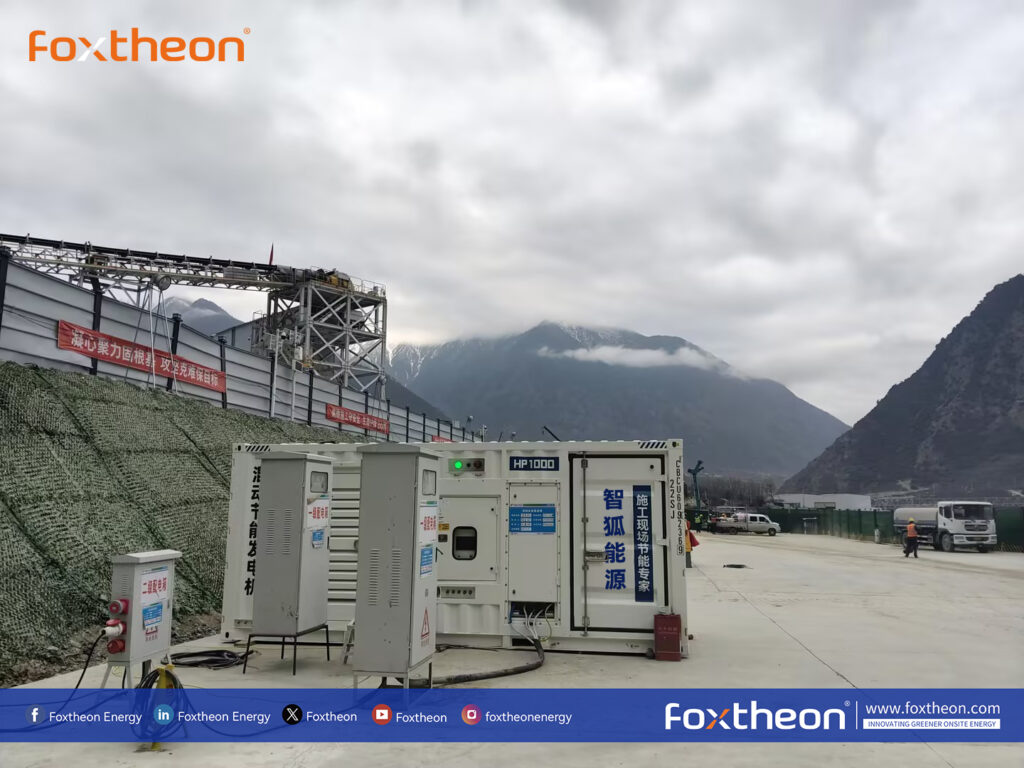
Operational excellence for hybrid systems hinges on data-driven maintenance. Modern SCADA platforms aggregate inverter efficiency, battery internal resistance, and solar yield ratios, generating alerts when deviations exceed statistical process control limits. For instance, a gradual increase in battery internal resistance (measured via pulse discharge tests) signals impending cell degradation, allowing scheduled replacement before a full bank failure. Similarly, tracking the generator’s cumulative fuel consumption and run hours enables predictive oil changes, reducing the likelihood of crankcase soiling—a common failure mode in intermittent-use generators.
Thermal imaging inspections, conducted quarterly on busbars and connection points, detect loose terminals that cause localized heating, a leading cause of fires in high-current DC systems. For remote sites, IoT-enabled temperature sensors with wireless mesh networking transmit data to a cloud dashboard, where algorithms correlate temperature rises with load currents to differentiate normal heating from resistive faults. This level of monitoring transforms the off grid and hybrid solar system from a static installation into a self-diagnosing asset, with maintenance actions triggered by condition indicators rather than fixed calendars.
Frequently Asked Questions (FAQ)
Q1: What is the primary difference between an off-grid solar system and a hybrid solar system?
A1: An off-grid system operates independently of the utility grid, relying entirely on solar, battery, and optionally a generator to meet all load demands. A hybrid system, while also capable of islanding, adds the ability to interface with the grid—either for backup, feed-in, or peak shaving. In practice, a hybrid inverter includes a grid-tie port and transfer switch, whereas a pure off-grid inverter has only generator and load terminals. This distinction affects certification requirements and control complexity, especially when the site has intermittent utility access.
Q2: How do I determine the optimal battery capacity for my off-grid and hybrid solar system?
A2: Capacity sizing is driven by the autonomy days (number of consecutive cloudy days) and maximum depth of discharge (DoD). For mission-critical sites, we calculate: Battery Capacity (kWh) = (Daily Load × Autonomy Days) / (DoD × Round-trip Efficiency). For example, a 100 kWh daily load with 2 autonomy days, 80% DoD, and 90% efficiency gives 100×2/(0.8×0.9) ≈ 278 kWh. However, this must be cross-checked with inverter charging current limits; oversized banks may never reach full charge during winter months, leading to chronic undercharging and accelerated capacity fade.
Q3: Can I add solar panels to an existing diesel generator-only site without replacing the generator?
A3: Yes—this is a common hybrid retrofit. The solar array and battery inverter are AC-coupled to the generator output via a bidirectional inverter. The EMS controls the generator to operate only when battery SoC is low, effectively turning the generator into a backup. This approach reduces generator run hours by 50-70% and can be implemented without altering the generator’s control panel, provided the inverter includes a dry contact for generator start/stop and supports voltage and frequency matching to the generator’s output.
Q4: What are the main causes of inverter failure in off-grid hybrid systems?
A4: The top three failure modes are: (a) DC bus capacitor aging due to high ripple current from frequent solar MPPT cycling; (b) IGBT module thermal stress from repeated surge loads, especially during motor starts; and (c) moisture ingress through ventilation fans, leading to PCB corrosion. Mitigation includes specifying inverters with film capacitors (longer life than electrolytic), derating the inverter by 20% from its nominal continuous rating, and installing dehumidifiers in the enclosure for high-humidity sites.
Q5: How does panel orientation affect off-grid system performance in winter?
A5: For off-grid systems in the northern hemisphere, steeper tilt angles (latitude + 15°) and east-west split configurations improve winter performance by capturing low-angle morning and afternoon sun, rather than a single south-facing array that peaks at noon. This increases the daily solar window by 2-3 hours, directly reducing battery depth of discharge during short winter days. Additionally, using half-cut cell panels reduces resistive losses during low-irradiance periods, providing up to 5% more energy in overcast conditions compared to full-cell designs.
Inquiry for Off-Grid & Hybrid Power Solutions
For technical specifications, site-specific engineering support, or project quotes for your off grid and hybrid solar system, please contact our engineering desk. Foxtheon provides full system design, OEM component sourcing, and remote commissioning services tailored to industrial and commercial applications worldwide.