
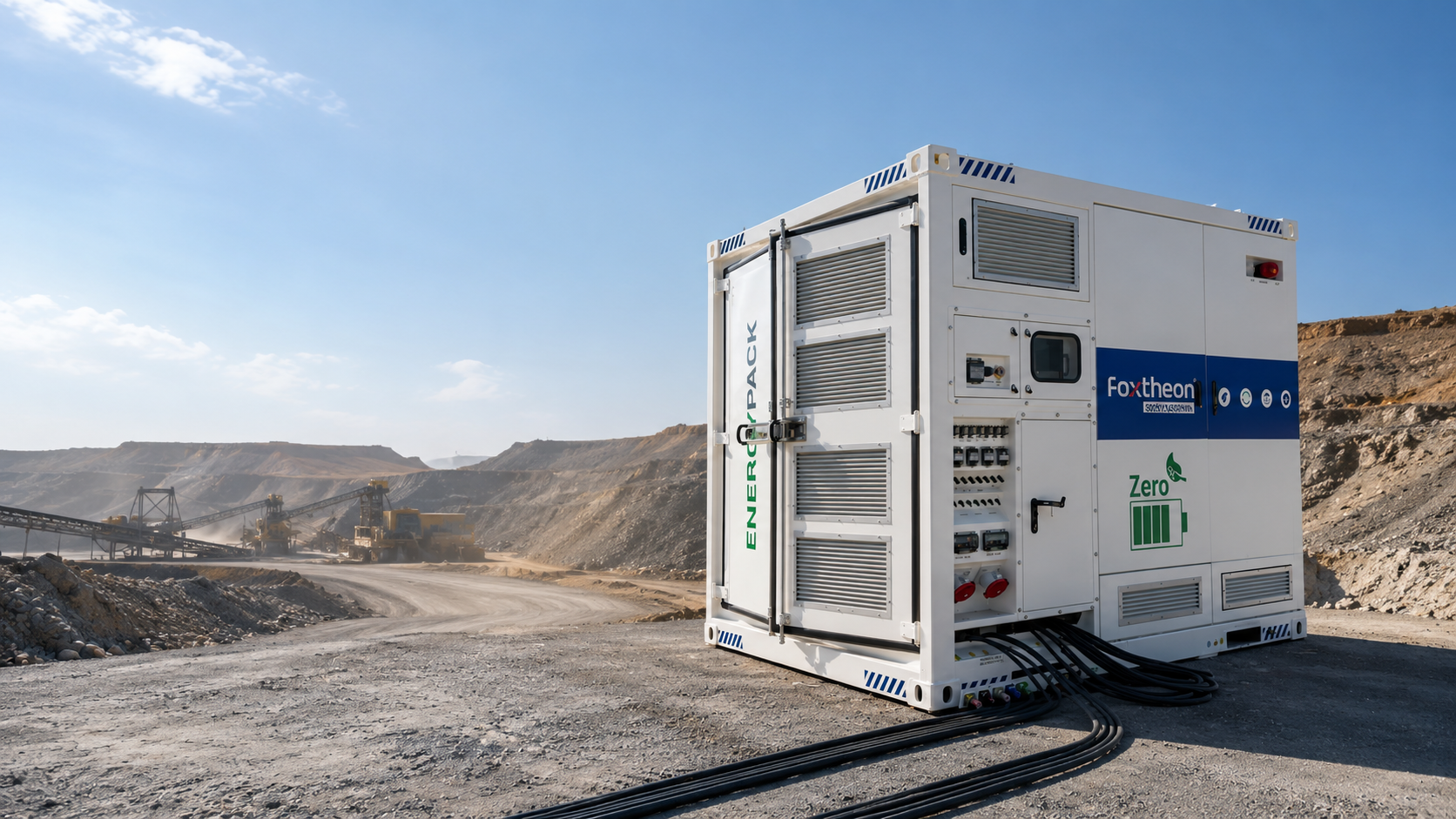
Modern industrial energy infrastructure requires robust, reliable, and adaptable solutions to manage fluctuating electricity demands and grid instability. As decentralized energy assets gain prominence, decentralized power systems must maintain high power quality and operational resilience. Among the configurations available to commercial and industrial (C&I) facilities, containerized battery storage has emerged as a practical architecture. This modular design encapsulates the battery cells, power conversion equipment, thermal management units, and safety systems within a standardized enclosure, simplifying transportation and site installation.
For organizations operating complex electrical systems, integrating these systems requires an understanding of both physical engineering and electrochemistry. Industry-leading developers like Foxtheon focus on designing systems that integrate with existing local grids, microgrids, and facility distribution networks. Understanding the structural, electrical, and thermal properties of these setups is the first step toward effective deployment.
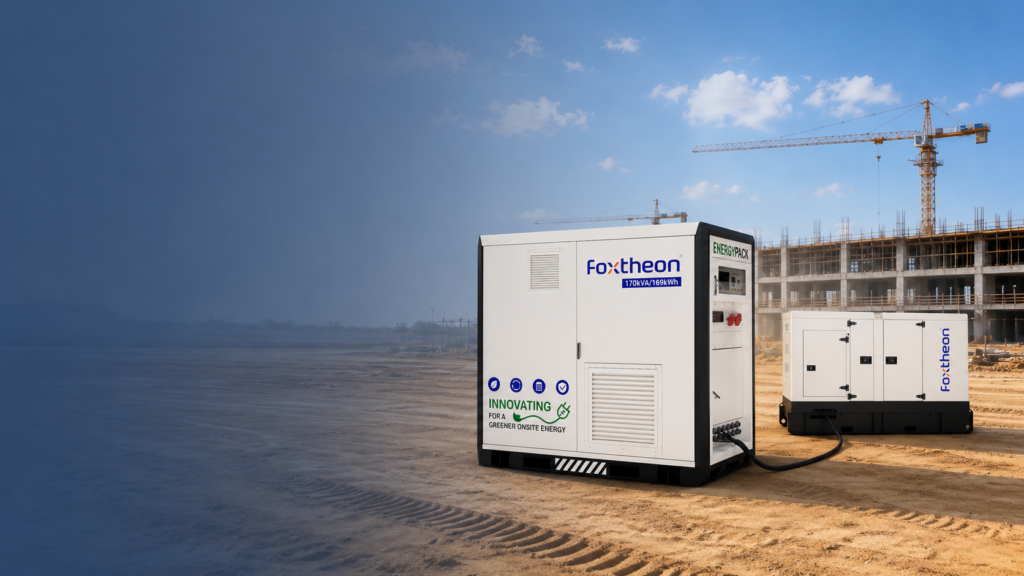
Understanding the Architecture of Containerized Battery Storage
A standard containerized battery storage system is not merely a collection of batteries placed inside a shipping container. It is a highly engineered ecosystem where every component is balanced to prevent thermal issues, optimize efficiency, and prolong system life. The integration begins at the cell level and extends to the utility-scale grid interface.
Cell Chemistry and Battery Pack Assembly
The choice of cell chemistry dictates the thermodynamic and electrical characteristics of the entire system. Lithium Iron Phosphate (LFP) chemistry is widely selected for large-scale stationary applications. LFP cells offer a high thermal runaway threshold (typically around 270°C to 280°C) and a long cycle life, often exceeding 6,000 cycles at 80% Depth of Discharge (DoD). Within the container, individual cells are arranged in series to achieve the desired voltage level, and subsequently in parallel to build capacity. These configurations form modules, which are secured within structural racks designed to withstand seismic activity and transit vibrations.
Power Conversion Systems (PCS)
The Power Conversion System, or bidirectional inverter, manages the flow of energy into and out of the battery racks. The PCS converts alternating current (AC) from the grid or local generation sources to direct current (DC) for battery charging, and reverses this process during discharge. Modern systems utilize advanced multi-level topology inverters to minimize total harmonic distortion (THD) and optimize efficiency. A highly functional PCS supports both grid-following mode (synchronizing with an existing voltage and frequency reference) and grid-forming mode (establishing a local voltage and frequency reference during microgrid operations).
The Hierarchical Battery Management System (BMS)
Operational safety and longevity depend on a multi-tiered Battery Management System. This hierarchical control system typically consists of three levels:
- Level 1 (Slave BMS / BMU): Monitors individual cell voltages and temperatures within a module, performing passive or active cell balancing.
- Level 2 (Master BMS / BCU): Aggregates data from multiple modules within a single rack, managing rack-level contactors and calculating overall State of Charge (SoC) and State of Health (SoH).
- Level 3 (System BMS): Coordinates operations across all racks inside the container, communicating directly with the PCS and the overall Energy Management System (EMS).
Thermal Management and Enclosure Integrity
The performance and degradation rate of lithium-ion cells are sensitive to operating temperatures. Maintaining a uniform temperature distribution across thousands of cells is a primary engineering objective in containerized battery storage design.
Liquid Cooling versus Forced Air Cooling
Air cooling systems utilize HVAC units to circulate cooled air through the container corridors. While simpler and requiring less initial component complexity, air cooling can result in temperature gradients between cells located near the air intake and those at the exhaust end. Liquid cooling systems, by contrast, pump a coolant (typically a water-glycol mixture) through cooling plates in direct contact with the battery cells. This approach provides a significantly higher heat transfer coefficient, maintaining cell-to-cell temperature variations within a narrow 2°C to 3°C window. This uniformity slows down differential aging, preserving the capacity of the entire pack over time.
Structural Materials and Corrosion Resistance
The physical container shell must withstand diverse environmental conditions, ranging from humid coastal environments to arid desert regions. Structural frames are typically constructed using high-tensile Corten steel, known for its atmospheric corrosion resistance. To meet international standards, the exterior surfaces undergo multi-layer coating processes, achieving C4 or C5 corrosion classification ratings according to ISO 12944. The internal walls are lined with non-combustible insulation panels, such as high-density rockwool, which provide thermal insulation from solar heat gain and meet class A fire protection standards.
Fire Suppression and Safety Standards
Safety engineering in modern energy storage systems involves multi-layered mitigation protocols. To comply with rigorous safety frameworks such as NFPA 855 and UL 9540A, container designs incorporate specialized safety subsystems:
- Off-Gas Detection: Specialized sensors monitor the air inside the container for early indicators of thermal runaway, such as trace amounts of carbon monoxide, hydrogen, and volatile organic compounds (VOCs).
- Aerosol and Gas-Phase Suppression: Upon detection of abnormal gas concentrations, automated suppression systems (such as Stat-X or Novec 1230) deploy to suppress combustion without damaging neighboring electrical circuits.
- Deflagration Venting: Explosion-relief panels are integrated into the roof of the container to vent pressure safely upward in the highly unlikely event of a rapid gas buildup.
Industrial Applications and Integration Scenarios
Industrial operations deploy containerized battery storage to solve specific power distribution and power quality challenges. These modular systems are designed to operate alongside existing utility connections and local generation equipment.
Peak Shaving and Demand Charge Management
Many commercial and industrial facilities are subject to high demand charges, which are calculated based on the highest peak power drawn from the grid during a billing period. By utilizing an intelligent energy storage system, the facility can discharge the stored energy during peak demand periods, effectively smoothing the load curve. This process, known as peak shaving, reduces the strain on the utility grid and lowers monthly energy bills without requiring modifications to the facility’s production processes.
Co-existence with Local Power Generation Assets
Industrial sites often rely on existing power generation assets, such as diesel or gas generators, to secure backup power or support off-grid operations. It is important to note that adding a containerized battery storage system does not render these existing assets obsolete. Instead, the storage system integrates alongside them. In a hybrid microgrid configuration, the battery provides instantaneous power during transient load spikes, allowing the generators to run at their most efficient load points. This reduces generator wear and minimizes thermal cycling, extending the operational life of the entire facility asset portfolio.
Renewable Energy Smoothing and Time-of-Use Optimization
For facilities utilizing on-site solar photovoltaic (PV) arrays or wind turbines, power generation is inherently intermittent. The energy storage container acts as a buffer, storing excess energy during periods of high generation and low demand, and discharging it when renewable output falls or when electricity tariffs are at their highest. This optimization maximizes self-consumption of clean energy and stabilizes power quality within the facility’s local grid.
Procurement Considerations and Technical Specifications
When selecting a system for C&I applications, procurement teams and consulting engineers must evaluate several key technical parameters to ensure long-term compatibility and performance.
Determining Capacity, Voltage, and C-Rate
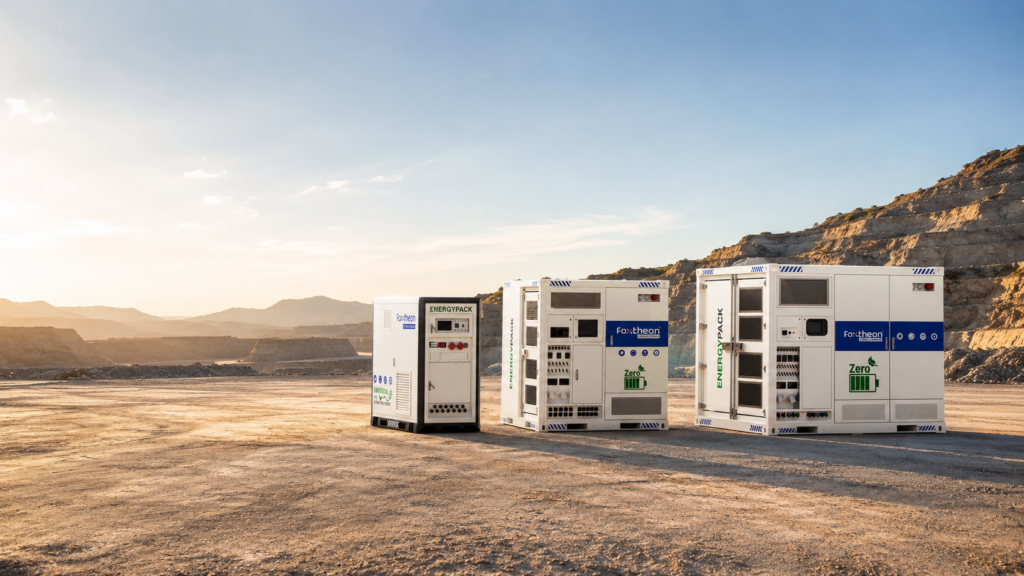
The sizing of a containerized solution depends heavily on the intended application. Systems configured for power-oriented applications (such as frequency response or transient voltage support) require high C-rates (e.g., 1C or 2C), allowing the battery to fully discharge its capacity within 30 to 60 minutes. Energy-oriented applications (such as load shifting or long-duration backup) are optimized for lower C-rates (e.g., 0.5C or 0.25C), providing steady power over four to eight hours. Systems developed by **Foxtheon** are built with highly adaptable modular configurations, allowing buyers to select the appropriate balance of power and energy density for their specific loads.
| Technical Parameter | Power-Oriented Systems | Energy-Oriented Systems |
|---|---|---|
| Typical C-Rate | 1C to 2C | 0.25C to 0.5C |
| Discharge Duration | 30 – 60 minutes | 2 – 8 hours |
| Primary Function | Frequency regulation, transient load mitigation | Peak shaving, load shifting, microgrid backup |
| Thermal System Demand | High peak cooling capacity (liquid preferred) | Moderate, steady-state cooling capacity |
Evaluating Container Transport and On-Site Logistics
Standard ISO container sizes (typically 20-foot and 40-foot configurations) simplify international shipping and domestic transport. However, the high density of modern lithium-ion packs means a fully loaded 20-foot container can weigh upwards of 20 to 30 metric tons. Project planners must ensure that local roads, transport routes, and on-site concrete foundation pads are engineered to support these heavy structural loads. Additionally, specifying robust lifting lugs and structural reinforcements on the container chassis is necessary for safe crane operations during placement.
Assisting in Supplier Selection and Validation
A reliable procurement strategy involves validating the technical testing procedures used by the manufacturer. Prospective buyers should confirm that suppliers perform comprehensive Factory Acceptance Testing (FAT) before dispatch and Site Acceptance Testing (SAT) after installation. These tests confirm the calibration of the BMS, the response time of the PCS, and the proper functioning of the automatic fire suppression systems. Working with established system integrators ensures that these safety and performance metrics are documented according to international standards.
Frequently Asked Questions
Q1: What are the primary advantages of utilizing a containerized battery storage system compared to indoor rack installations?
A1: A containerized battery storage system offers a self-contained, weatherproof solution that minimizes the need for dedicated indoor floor space. Since all internal wiring, thermal management, and fire safety systems are integrated and tested at the factory, on-site installation time and civil works are reduced compared to custom indoor battery room constructions.
Q2: How does temperature affect the lifespan of cells inside a containerized system?
A2: Lithium-ion battery degradation accelerates when cells operate consistently above 35°C, while charging at sub-zero temperatures can cause lithium plating on the anodes. Keeping cell temperatures between 15°C and 25°C optimizes electrochemical efficiency and slows down capacity fade over the system’s operational lifespan.
Q3: Can these systems operate in environments with high levels of dust and humidity?
A3: Yes. Containers engineered for harsh environments utilize high IP (Ingress Protection) ratings, such as IP54 or IP55. These configurations prevent the ingress of dust, moisture, and salt mist. Additionally, active HVAC or liquid-cooling loops isolate internal air circulation from the external atmosphere to protect sensitive electronic components.
Q4: How do containerized storage units integrate with existing diesel generators?
A4: Integration is managed via a centralized Energy Management System (EMS). The EMS coordinates the active power outputs of the generator and the battery container. The battery provides high-speed response to transient load fluctuations, allowing the generator to operate at a stable, efficient output level, which helps reduce carbon emissions and engine wear.
Q5: What safety certifications should a buyer verify when sourcing an energy storage container?
A5: Buyers should verify certifications such as UL 1973 (for battery packs), UL 9540 (for the complete energy storage system), UL 9540A (for evaluating thermal runaway fire propagation), and compliance with local standards like NFPA 855 for installation safety.
Technical Inquiry and Consultation
Integrating a containerized battery storage system into an industrial infrastructure requires careful alignment of electrical, thermal, and structural parameters. To explore how Foxtheon can support your upcoming project with engineered energy storage solutions, please submit a detailed inquiry containing your load profiles, capacity requirements, and environmental specifications to our technical consulting team.