
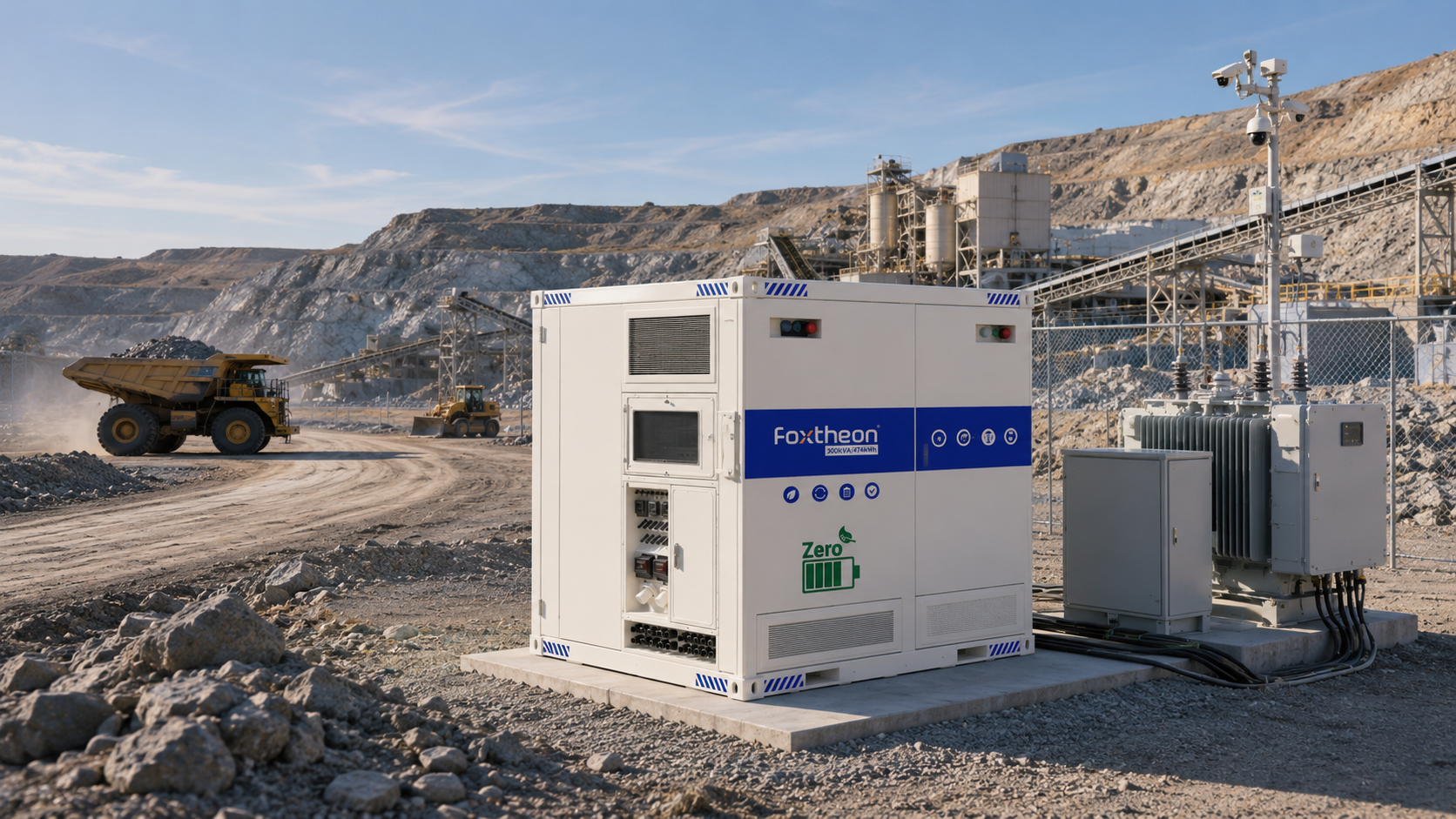
The global transition toward decentralized power networks requires robust, adaptable energy storage topologies capable of integrating with existing infrastructure. For commercial and industrial (C&I) facilities that already possess installed photovoltaic (PV) arrays, retrofitting energy storage presents unique integration challenges. Within this context, the implementation of ac coupled battery systems has emerged as a practical and highly scalable engineering solution. Unlike DC-coupled setups, which require a shared DC bus and often necessitate the replacement of existing solar inverters, AC-coupled configurations link the battery system directly to the AC distribution board. This approach preserves existing capital investments while adding sophisticated grid-support capabilities.
To achieve optimal performance, safety, and longevity, system designers and procurement managers must understand the underlying power electronics, communication interfaces, and thermal behaviors of these systems. Engineered solutions from brands like Foxtheon provide the necessary hardware reliability and software intelligence to handle these complex operational profiles, ensuring stable operations across diverse grid conditions.
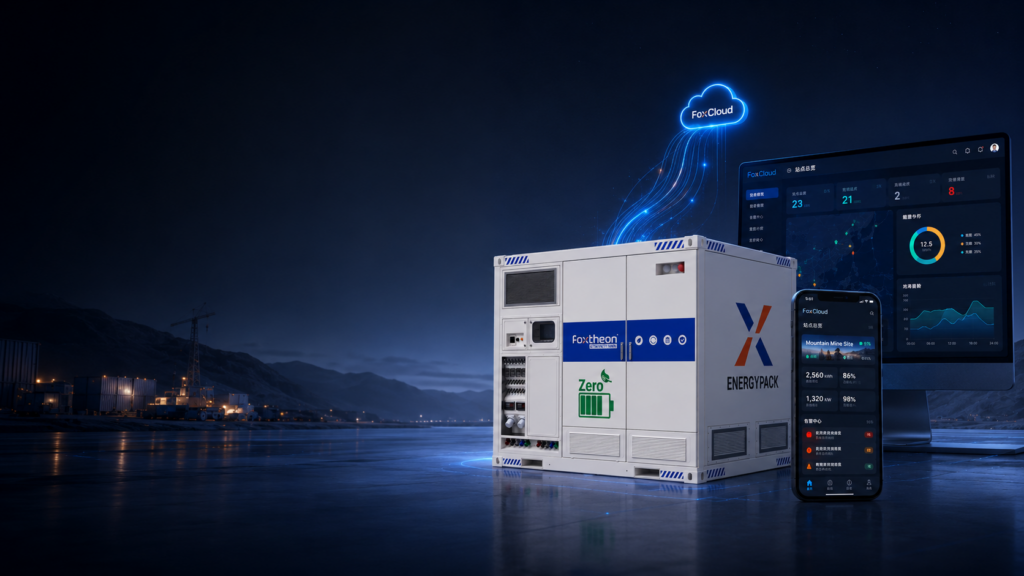
Technical Architecture of AC Coupled Battery Systems
The core operating principle of an AC-coupled configuration is the separation of the generation source (such as a solar PV array) from the energy storage system at the DC level, joining them instead on the common AC utility bus. This topology relies on two distinct types of inverters: a standard grid-tied PV inverter and a bi-directional battery inverter, also referred to as a Power Conversion System (PCS).
During generation periods, the solar PV array produces DC power, which the solar inverter converts to AC power for immediate consumption by facility loads. Any surplus AC power is routed to the bi-directional PCS, which rectifies it back to DC to charge the battery bank. When the solar generation drops below the load demand, or during peak tariff periods, the PCS operates in inversion mode, drawing DC power from the battery bank, converting it to AC, and supplying it to the local facility grid. This dual-conversion process introduces a minor round-trip efficiency penalty compared to DC-coupled systems, typically ranging from 1% to 3%. However, this is offset by the design flexibility and simplified installation procedures in medium-to-large-scale retrofits.
The efficiency of ac coupled battery systems depends on the efficiency of both the PV inverter and the PCS. Modern utility-scale PCS units utilize multi-level topologies—such as Neutral Point Clamped (NPC) or Active NPC (ANPC) configurations—achieving conversion efficiencies exceeding 98.5%. By managing the reactive and active power independently, these systems do more than store energy; they actively stabilize the local voltage and frequency, acting as a buffer between the facility and the wider utility grid.
Battery Chemistry, Materials, and Enclosure Design
The performance of any commercial battery energy storage system (BESS) is directly tied to its electrochemical foundation and its physical enclosure. For industrial applications, Lithium Iron Phosphate (LiFePO4) has become the industry standard chemistry due to its superior safety profile, chemical stability, and extended cycle life compared to nickel-based formulations.
- Electrochemical Stability: LiFePO4 cells feature a robust olivine crystal structure that resists structural degradation even under continuous high C-rate cycling. This structure exhibits high tolerance to thermal runaway, as the oxygen-phosphorus bond is significantly stronger than the metal-oxygen bonds found in NMC (Nickel Manganese Cobalt) cells.
- Mechanical Protection: Enclosures for commercial storage systems must withstand severe environmental conditions. Industrial cabinets are typically constructed from heavy-gauge galvanized steel or marine-grade aluminum, complying with NEMA 3R or IP55/IP56 ingress protection standards. These cabinets prevent the entry of windblown dust, rain, and corrosive coastal salt air.
- Thermal Management: Maintaining cell temperatures within the optimal 15°C to 35°C window is necessary to prevent premature capacity fade and localized hot spots. Advanced configurations utilize closed-loop liquid cooling systems, routing a glycol-water mixture through cooling plates integrated directly into the battery modules. This active thermal management maintains cell-to-cell temperature differentials within 2°C, ensuring uniform degradation and extending the operating life of the pack.
- Structural Integrity: The structural frame of the cabinet must be designed to handle significant static loads, as lithium-ion battery racks can weigh several tons. Heavy-duty lifting eyes, reinforced base channels, and seismic anchoring points are standard features required to meet local structural building codes.
Application Scenarios and Grid Integration Services
Commercial facilities use AC-coupled storage to perform several complex energy management strategies simultaneously. Because the battery system is connected directly to the main AC distribution panel, it can operate independently of the PV system’s status, allowing for flexible operational algorithms.
Peak shaving is one of the primary use cases. Many commercial utility tariffs include high demand charges based on the peak power consumed during a billing cycle. By monitoring the main grid connection point via high-speed current transformers (CTs) or power meters, the system’s controller can detect when the facility load exceeds a predetermined threshold. The PCS then discharges the battery to supply the excess load, capping the utility draw and lowering demand charges. Similarly, load shifting allows facilities to charge the battery during off-peak hours when electricity rates are low and discharge during high-rate peak periods.
Another increasingly important application is retrofitting ac coupled battery systems into existing solar arrays to enable microgrid capabilities. In the event of a utility grid failure, a standard grid-tied PV inverter is designed to shut down immediately to prevent islanding (exporting power to a dead grid, which poses a hazard to utility technicians). An AC-coupled system equipped with grid-forming capabilities can open an isolation switch to disconnect from the utility grid, and then establish a local microgrid by generating a stable reference AC voltage and frequency. The existing PV inverter detects this local grid, synchronizes with it, and resumes generation, allowing the facility to run indefinitely on a combination of solar power and battery storage during extended outages.
Resolving Communication and Interoperability Pain Points
The successful integration of an AC-coupled system into an existing facility requires seamless communication between multiple disparate subsystems: the PV inverter, the battery management system (BMS), the PCS, and the facility’s overarching energy management system (EMS). Incompatible protocols and latency issues can lead to unstable system behavior, control loop oscillations, or safety shutdowns.
Most industrial equipment communicates via Modbus RTU (over RS485) or Modbus TCP/IP (over Ethernet). The BMS continuously monitors cell-level parameters, including voltage, temperature, and State of Charge (SoC). It calculates real-time charging and discharging current limits and transmits this data to the PCS. Meanwhile, the EMS acts as the central coordinator, executing control algorithms based on load meters, weather forecasts, and tariff schedules.
Advanced EMS architectures, such as those designed by Foxtheon, utilize high-speed Ethernet backbones and standardized SunSpec Modbus profiles to achieve interoperability across various inverter brands. This high-speed data exchange is particularly important during off-grid microgrid operations, where the system must employ frequency-watt droop control. When the battery reaches its maximum state of charge in islanded mode, the PCS must artificially raise the local AC grid frequency (e.g., from 50.0 Hz to 51.5 Hz) to signal the third-party PV inverter to curtail its power output. This prevents overcharging without relying on digital communication links, providing a reliable hardware-level fallback mechanism.
Procurement Guidelines and Supplier Selection
When evaluating ac coupled battery systems for commercial procurement, system integrators and developers must look beyond simple capacity ratings. A thorough technical assessment should focus on long-term reliability, compliance with international standards, and the manufacturer’s engineering support capabilities.
Safety certifications are a primary consideration. The complete system should carry certifications such as UL 9540 (for energy storage systems and equipment), UL 1973 (for batteries used in stationary applications), and IEC 62619 (addressing safety requirements for secondary lithium cells and batteries in industrial applications). Additionally, testing under UL 9540A is highly recommended, as it evaluates large-scale fire progression characteristics, helping to streamline local permitting and insurance approvals.
The table below outlines the core technical specifications that procurement engineers should analyze when comparing industrial-grade battery systems:
| Specification Parameter | Recommended Industrial Standard | Technical Significance |
|---|---|---|
| Cell Chemistry | Lithium Iron Phosphate (LiFePO4) | Ensures high thermal stability, safety, and a lifecycle of >6,000 cycles at 80% Depth of Discharge (DoD). |
| Round-Trip Efficiency (RTE) | >88% (AC-to-AC) | Minimizes energy losses during the charge/discharge cycle across the PCS and battery pack. |
| Enclosure Protection Rating | IP55 / NEMA 3R minimum | Protects internal electronics and cell arrays from dust, water ingress, and environmental contaminants. |
| Thermal Control | Active Liquid Cooling | Maintains uniform cell temperatures, preventing hot spots and extending overall system life. |
| Communication Protocols | Modbus TCP/IP, CAN bus, SunSpec compliant | Guarantees seamless interoperability with existing PV inverters, local EMS, and utility SCADA systems. |
Furthermore, sourcing components from established manufacturers ensures long-term support for warranty claims and firmware updates. Tier-1 manufacturers like Foxtheon specialize in providing fully integrated solutions where the containerized enclosure, liquid-cooling loops, fire suppression systems, and smart BMS are engineered to work together as a single unit, reducing on-site installation and commissioning times.
System Optimization and Grid Compliance
The operational stability of ac coupled battery systems rests on their ability to comply with stringent local grid codes, such as IEEE 1547 in North America or VDE-AR-N 4110 in Europe. These standards dictate how distributed energy resources (DERs) must behave during grid disturbances. Modern systems must support advanced grid functions, including low-voltage ride-through (LVRT), high-voltage ride-through (HVRT), and dynamic reactive power injection (Volt-VAR control).
To implement these features without compromising battery health, the system’s PCS utilizes fast Phase-Locked Loops (PLL) to synchronize with the utility voltage vector within milliseconds. During a grid voltage sag, the PCS can temporarily inject reactive power into the grid to help support the local voltage profile. This rapid response is orchestrated without mechanical switching, relying purely on high-frequency insulated-gate bipolar transistor (IGBT) modulation. By integrating these grid-support functions, commercial facilities not only protect their own internal loads from power quality issues but also position themselves to participate in lucrative utility-scale ancillary services, such as frequency regulation and spinning reserves, where local regulations permit.
Frequently Asked Questions
Q1: What is the main structural difference between AC coupled and DC coupled storage?
A1: In an AC-coupled system, the solar PV array and the battery storage system are connected to separate inverters that interface at the AC utility busbar. In a DC-coupled system, both the PV array and the battery bank connect to a single hybrid inverter or share a common DC bus via charge controllers before the energy is converted to AC.
Q2: How do ac coupled battery systems manage backup power during a utility grid failure?
A2: When a grid failure occurs, an automatic transfer switch isolates the facility from the utility grid. The battery’s bi-directional inverter (PCS) switches from grid-following to grid-forming mode, creating a local AC voltage signal. The existing solar PV inverter detects this voltage, synchronizes with it, and resumes generation to power local loads and charge the batteries.
Q3: Can these systems be integrated with existing backup generators?
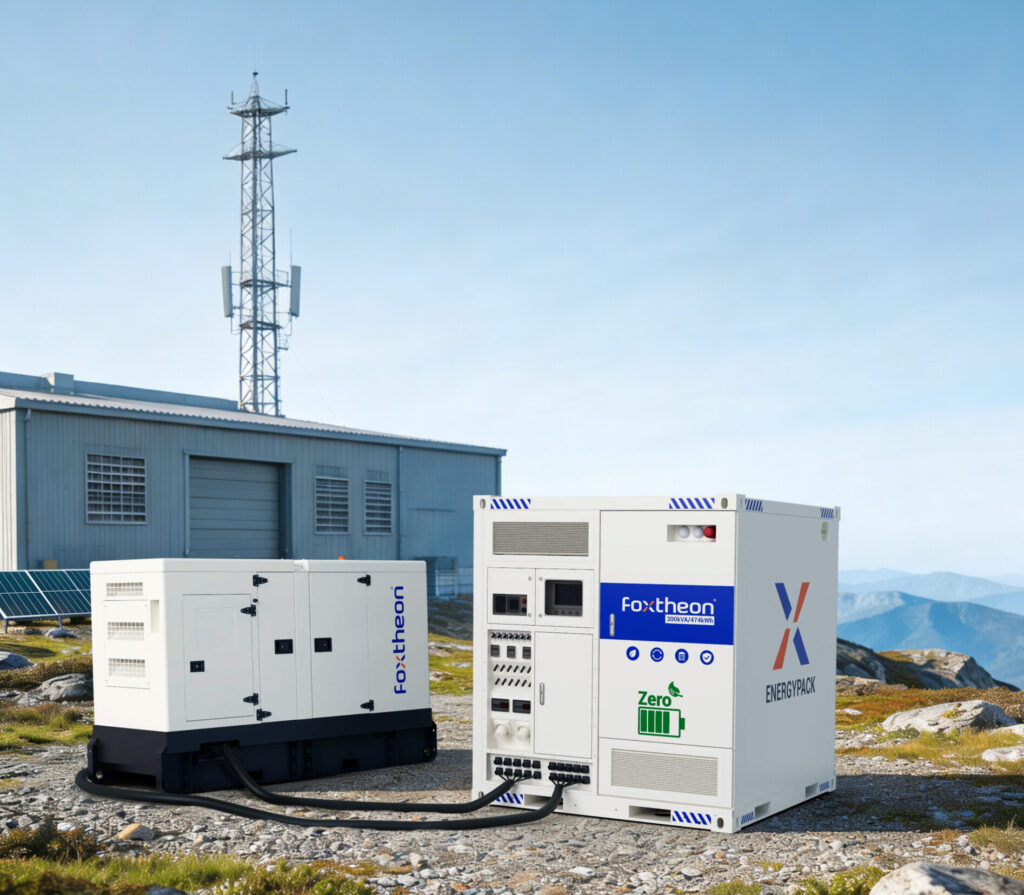
A3: Yes, AC-coupled systems are highly compatible with existing backup generators. The system’s EMS coordinates the generator, PV, and battery storage. The battery can act as a high-speed buffer to absorb load transients and maintain stable grid parameters, allowing the generator to operate at its most efficient fuel-consumption point.
Q4: What thermal management system is recommended for high-capacity installations?
A4: For high-capacity commercial and industrial installations, active liquid cooling systems are highly recommended over forced-air cooling. Liquid cooling maintains a more uniform temperature distribution across the battery cells, reducing cell-to-cell degradation and significantly extending the operational lifespan of the entire battery pack.
Q5: Which standards govern the safety of commercial AC coupled battery systems?
A5: The primary safety standards include UL 9540 (for the complete energy storage system), UL 1973 (for safety evaluation of the battery modules), IEC 62619 (safety requirements for industrial lithium batteries), and UL 9540A (thermal runaway fire propagation testing).
Inquiry
To request technical datasheets, mechanical drawings, or customized system configurations for your commercial project, please submit your specifications directly to our engineering division.