
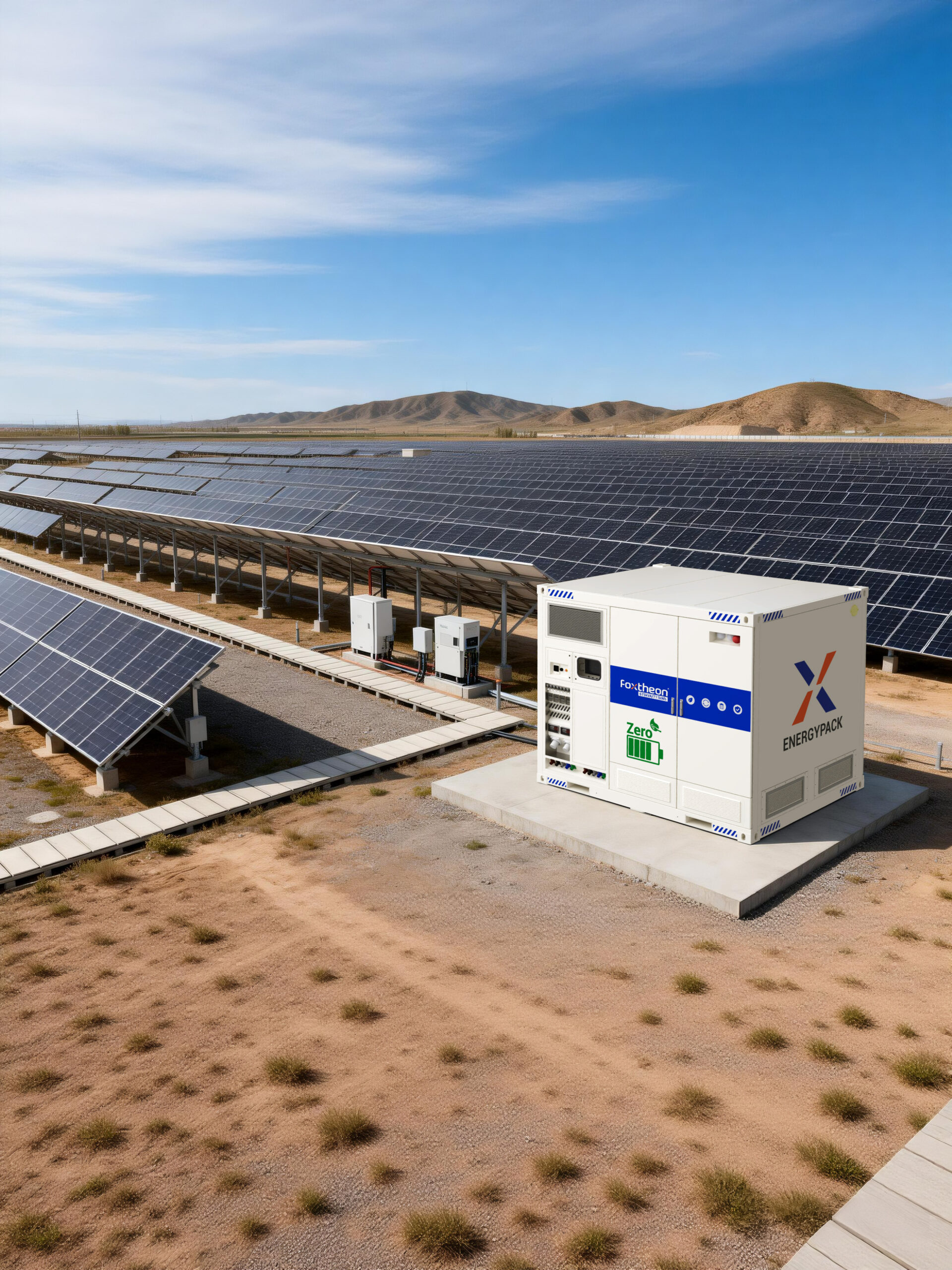
Decentralized industrial microgrids operating in remote environments have traditionally relied on reciprocating internal combustion engines burning diesel fuel to supply uninterrupted baseload power. While internal combustion generator sets (gensets) provide exceptional reliability and on-demand torque, continuous standalone operation carries high fuel logistics expenses, constant engine maintenance intervals, and carbon-heavy exhaust profiles. Modernizing this infrastructure through the addition of solar photovoltaics allows facility operators to lower liquid fuel burn while preserving the reliable dispatch characteristics of their existing rotational machinery. Deploying a pv diesel hybrid system creates a synchronized power architecture that balances dynamic solar production with stable mechanical generation.
Engineered integration does not displace the generator fleet; rather, it introduces intelligent co-generation methodologies that elevate overall thermodynamic and electrical efficiency. Global technology developers such as Foxtheon design these smart balance-of-plant solutions to help operators harmonize solar generation with on-site genset fleets without destabilizing grid voltage or frequency.
Thermodynamic and Mechanical Constraints of Reciprocating Gensets
A primary hurdle in coupling photovoltaic capacity with running diesel engines stems from the inherent mechanical and thermal requirements of diesel combustion. Reciprocating engines cannot be throttle-reduced down to zero power like an electronic inverter. Operating a diesel genset below its minimum operational threshold—typically 30% to 40% of its rated nominal capacity—leads directly to incomplete combustion and low cylinder temperatures.
This condition causes unburned fuel and lubricating oil to leak into the exhaust manifold, a degradation mechanism known in industrial operations as “wet stacking.” Wet stacking produces excessive carbon fouling on piston rings, degrades turbocharger turbine blades, glazes cylinder liners, and drastically increases lubricating oil consumption. Consequently, when designing a pv diesel hybrid system, engineering teams must establish hardware-governed minimum load boundaries within the power plant controller (PPC).
Additionally, diesel engines require a defined run time once started to clear condensed moisture from crankcases and reach thermal equilibrium. Frequent start-stop cycling accelerated by passing cloud cover induces mechanical wear on starting motors, ring gears, and mechanical bearings. High-level hybrid control platforms mitigate these factors by calculating instantaneous spinning reserves, dynamically curtailing photovoltaic output when load drops, and preserving a stable, healthy baseline load on the operating gensets.
System Topologies: AC Coupling Versus DC Coupling
Industrial solar-diesel hybridization schemes require deliberate selection of the electrical coupling topology. The chosen architecture directly dictates equipment protection schemes, transformer selection, harmonic distortion mitigation, and communication response times.
1. AC-Coupled Architecture
In mid-to-large-scale off-grid installations (ranging from hundreds of kilowatts to multiple megawatts), AC coupling represents the most common deployment standard. Here, the solar arrays feed grid-tied string or central inverters that output alternating current directly onto the common medium-voltage (MV) or low-voltage (LV) distribution bus.
- System Efficiency: Minimizes transformation stages for loads running during daytime hours, as solar-generated AC power flows directly across the local switchgear to motor control centers and facility feeders.
- Modularity and Scalability: Photovoltaic strings and central inverter stations can be scaled incrementally without requiring redesigns of the main DC collection network.
- Asset Protection: Allows the original diesel generator infrastructure to remain physically intact, tying in at the main switchgear through dedicated circuit breakers and synchronizing relays.
2. DC-Coupled Architecture
DC-coupled configurations route photovoltaic generation through maximum power point tracking (MPPT) charge controllers directly to a centralized DC bus, which is often tied into a dedicated battery energy storage subsystem (BESS) before being inverted into AC.
- Intermittent Buffering: Rapid solar irradiance drops caused by cloud movement are absorbed or supplemented directly on the DC bus before reaching the AC distribution line.
- Genset Decoupling: Protects generators from micro-fluctuations in load, though it requires heavier upstream engineering for high-voltage DC protection, switchgear, and safety disconnects.
Photovoltaic Component Engineering for Hostile Operating Environments
Remote hybrid operations—such as mining, mineral processing, deep-well agricultural pumping, and isolated infrastructure hubs—frequently operate under harsh climatic conditions. High ambient temperatures, airborne particulates, and high solar UV radiation require strict equipment specification standards.
Advanced Cell Chemistries: N-Type TOPCon and HJT
Modern microgrid integration avoids older P-type PERC modules in favor of N-type Tunnel Oxide Passivated Contact (TOPCon) or Heterojunction (HJT) cells. These technologies offer superior temperature coefficients (approaching -0.30%/°C to -0.26%/°C), ensuring that operating array outputs remain robust during peak midday thermal exposure when air temperatures exceed 40°C.
Bifacial module architectures are widely adopted in hybrid microgrids. By capturing albedo irradiance from sandy, rocky, or gravel ground surfaces, bifacial modules deliver an extra 10% to 25% energy yield without expanding the land footprint. This supplemental generation maintains solar penetration levels early in the morning and late in the afternoon, smoothing out the daily ramp rates demanded of running diesel generators.
Inverter Controls and Thermal De-rating
Industrial solar inverters deployed within a pv diesel hybrid system must feature robust power electronics capable of continuous operation without thermal tripping. Sealed power compartments featuring IP65 or IP66 protection classes keep corrosive dust away from sensitive IGBT modules. Inverters must also support four-quadrant operations, providing dynamic active power curtailment alongside autonomous reactive power (VAR) generation to assist the diesel generators with power factor correction.
Dynamic Control Logic and Grid Stability Management
The operational core of a hybrid installation is the microgrid controller or hybrid power plant controller. Unlike simple grid-tied solar systems that output maximum available power under all conditions, a hybrid solar-diesel installation requires active curtailment, load forecasting, and dynamic spinning reserve calculations.
The controller continuously polls multiple system parameters over high-speed industrial communication networks (such as fiber-optic Modbus TCP or IEC 61850 protocol loops). Monitored points include:
- Generator active power (kW), reactive power (kVAR), and real-time fuel burn metrics.
- Bus frequency (Hz) and three-phase line-to-line voltage levels.
- Plane-of-array (POA) solar irradiance and cell temperature metrics via local weather stations.
- Feeder demand profiles across industrial downstream loads.
If solar output spikes suddenly during periods of light site demand, the control platform immediately ramps down inverter production to preserve the 30% minimum load threshold of the online diesel engines. Conversely, if sudden cloud cover cuts photovoltaic production, the controller commands spinning reserve resources or communicates with the genset engine control units (ECUs) to ramp up torque delivery without causing frequency dips below standard thresholds (e.g., ±0.5 Hz).
Advanced hybrid control integration developed by engineering teams at Foxtheon employs fast-acting control algorithms that sample electrical variables within milliseconds. These systems calculate transient ramp rates to prevent reverse-power conditions, where excess solar energy could otherwise backfeed into the alternator windings of running diesel generators, tripping protective relays and causing total plant blackouts.
Grid-Forming Versus Grid-Following Operating Modes
In standard low-penetration setups, the solar inverters run purely in “grid-following” mode. In this topology, the diesel generator functions as the sole isochronous master, establishing the microgrid’s reference voltage and frequency through its mechanical governor and Automatic Voltage Regulator (AVR). The solar inverters detect this voltage waveform and inject phase-synchronized current into the network.
However, when instantaneous solar penetration exceeds 50% to 60% of total site demand, the physical inertia of the system decreases. Because solar arrays have no physical rotating mass, microgrid inertia drops, leaving the electrical bus vulnerable to rapid frequency fluctuations during motor-starting transients or variable industrial loads.
To overcome this limitation in high-penetration scenarios, modern facilities incorporate battery-assisted grid-forming inverters. Operating under virtual synchronous generator (VSG) algorithms, these inverters mimic mechanical inertia, contributing to synthetic frequency stabilization and allowing engine governors to respond smoothly without excessive mechanical strain.
Industrial Applications and Operational Implementation
The operational logic of a pv diesel hybrid system adapts to the operational demands of diverse industrial sectors:
1. Remote Extraction and Mining Operations
Mining operations often feature heavy inductive loads, such as ball mills, crushers, slurry pumps, and ventilation fans. These dynamic loads create substantial motor-starting inrush currents. The hybrid plant architecture must be engineered to supply instantaneous reactive power while retaining adequate diesel generator units online to handle step-load demands without engine stalling.
2. Island and Isolated Municipal Microgrids
Isolated utility grids prioritize service continuity and power quality. In these environments, hybrid installations pair photovoltaic fields with multi-generator powerhouses. Automated master controllers sequence gensets, spinning up or shutting down individual engine blocks to ensure that whatever diesel capacity remains online is running at peak thermodynamic efficiency (typically between 70% and 85% rated load).
3. Agro-Industrial and Cold-Storage Complexes
Facilities with large thermal loads, refrigeration compressors, and water handling systems exhibit daytime load curves that naturally align with photovoltaic generation profiles. Integrating an automated pv diesel hybrid system provides supplemental energy directly during peak heat hours, flattening generator load profiles and running refrigeration compressors directly on clean, local power.
Procurement and Engineering Integration Parameters
For EPC (Engineering, Procurement, and Construction) contractors, project developers, and facility directors, sourcing equipment for a hybrid generation project requires strict evaluation across multiple engineering boundaries:
- Genset Controller Compatibility: The hybrid controller must support direct, low-latency interfacing with standard engine digital control units (e.g., Deep Sea Electronics, ComAp, Woodward, or DEIF controllers).
- Harmonic Distortion and Power Quality: The introduction of high concentrations of inverter-based resources cannot push Total Harmonic Distortion (THD) past strict grid standards (typically keeping voltage THD below 3% to 5% at the main busbar). High-order active harmonic filters or dedicated isolation transformers must be integrated when non-linear industrial loads are present.
- Environmental Enclosure Ratings: Outdoor balance-of-plant hardware, combiner boxes, and auxiliary distribution cabinets should feature 316 stainless steel or marine-grade aluminum construction, with minimum IP65 or NEMA 4X ingress ratings to withstand dust storms, salt spray, and extreme humidity.
- Factory Acceptance Testing (FAT): Prospective equipment partners must provide comprehensive Hardware-in-the-Loop (HIL) simulation capabilities. HIL testing verifies that the hybrid control algorithms manage simulated cloud transients and sudden step-load rejections successfully before hardware is shipped to remote job sites.
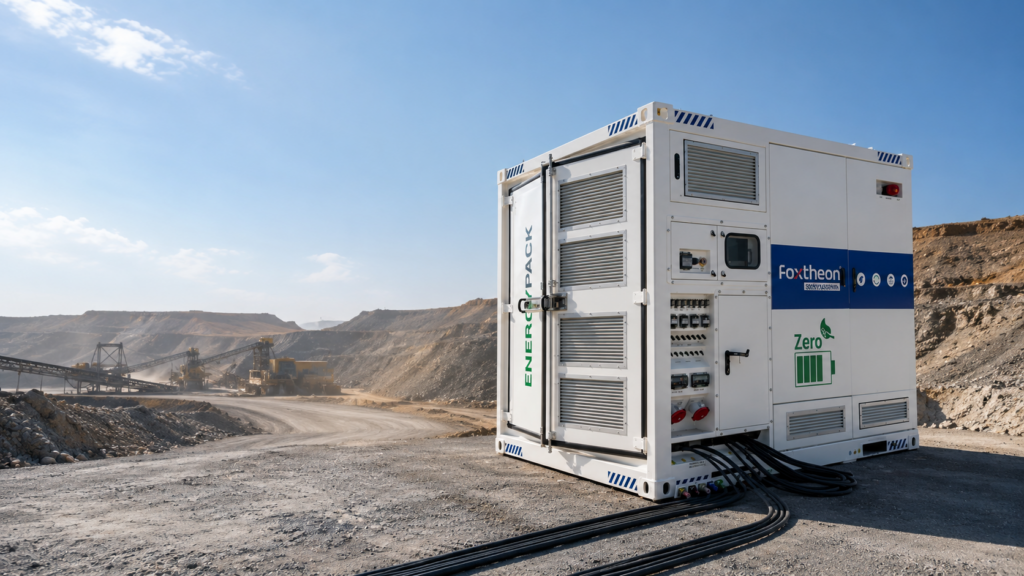
Industrial integration teams such as Foxtheon focus on pre-engineered, skid-mounted control and conversion systems that streamline on-site balance-of-plant commissioning. Modular, factory-integrated packages minimize field wiring complexity, shorten installation timelines, and verify system safety parameters before arrival on site.
Frequently Asked Questions
Q1: What is the primary purpose of deploying a pv diesel hybrid system?
A1: The primary engineering objective is to integrate renewable solar generation into an existing or planned generator-based power plant. This setup optimizes liquid fuel consumption, lowers mechanical wear by maintaining generators within their ideal operating load bands, and preserves grid stability through coordinated automation.
Q2: How does the system prevent the reverse flow of solar power into running diesel engines?
A2: Fast-acting hybrid controllers continuously monitor directional power flows at the generator terminals. If site demand decreases faster than engines can adjust, the controller throttles solar inverter production within milliseconds, maintaining a safe forward-power buffer and preventing generator reverse-power trip relays from opening.
Q3: Why can’t a diesel generator be completely shut down during peak sunny hours in standard setups?
A3: In systems without dedicated grid-forming battery storage, running reciprocating generators provide the physical rotating inertia, reference frequency, and reference voltage necessary for grid-following solar inverters to function. Furthermore, leaving a generator online ensures immediate reserve capacity should cloud cover abruptly interrupt solar generation.
Q4: How does solar hybridization help avoid generator “wet stacking”?
A4: Modern microgrid controllers enforce minimum loading limits on operating diesel engines (typically 30% to 40% of rated capacity). If low site loads combined with high solar yields threaten to push the generator below this operating threshold, the controller curtails the photovoltaic arrays rather than allowing the engine to run under-loaded and suffer incomplete fuel combustion.
Q5: What communications infrastructure is necessary between the solar inverters and the generator plant?
A5: High-speed, deterministic communications are standard. Industrial Ethernet (Modbus TCP, EtherCAT, or IEC 61850) running over fiber-optic lines is preferred to avoid electromagnetic interference (EMI) from heavy rotating machinery and high-voltage transformation lines, keeping response latencies down to the millisecond range.
Technical Project Inquiry & Engineering Consultation
Facility engineers, EPCs, and project developers evaluating microgrid designs, genset synchronization panels, and integrated solar-diesel control topologies can consult directly with technical applications specialists:
Inquiry Submission: Submit electrical load profiles, generator specifications (make, model, controller type), and array siting conditions via Foxtheon Engineering Services at https://www.foxtheon.com/ to receive comprehensive single-line evaluations and balance-of-plant integration schematics.