
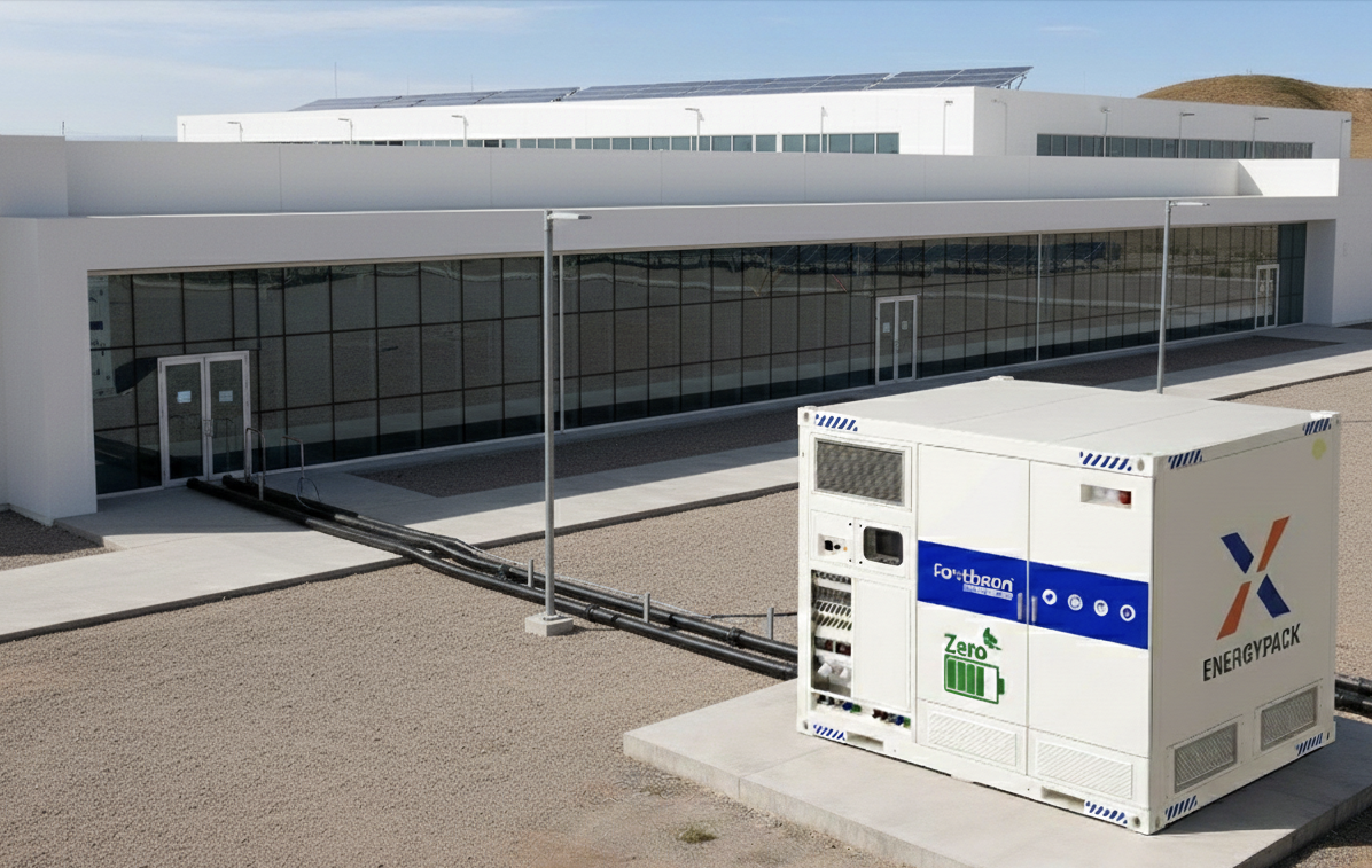
The global industrial sector is undergoing a profound transition in how utility power and off-grid electricity are generated, distributed, and managed. Traditional centralized power grids face growing challenges from extreme weather events, aging infrastructure, and shifting demand patterns. At the same time, industries operating in remote locations—such as mining, telecommunications, agriculture, and construction—require stable, continuous power that standard grid systems or standalone conventional generators cannot always reliably or efficiently provide.
To address these challenges, the adoption of the hybrid power system has emerged as a practical, technologically advanced pathway. By combining multiple energy generation sources—such as solar photovoltaics (PV), wind turbines, and conventional diesel or gas generators—with modern battery energy storage systems (BESS), these integrated configurations offer a balanced approach to energy security, operational continuity, and environmental responsibility.
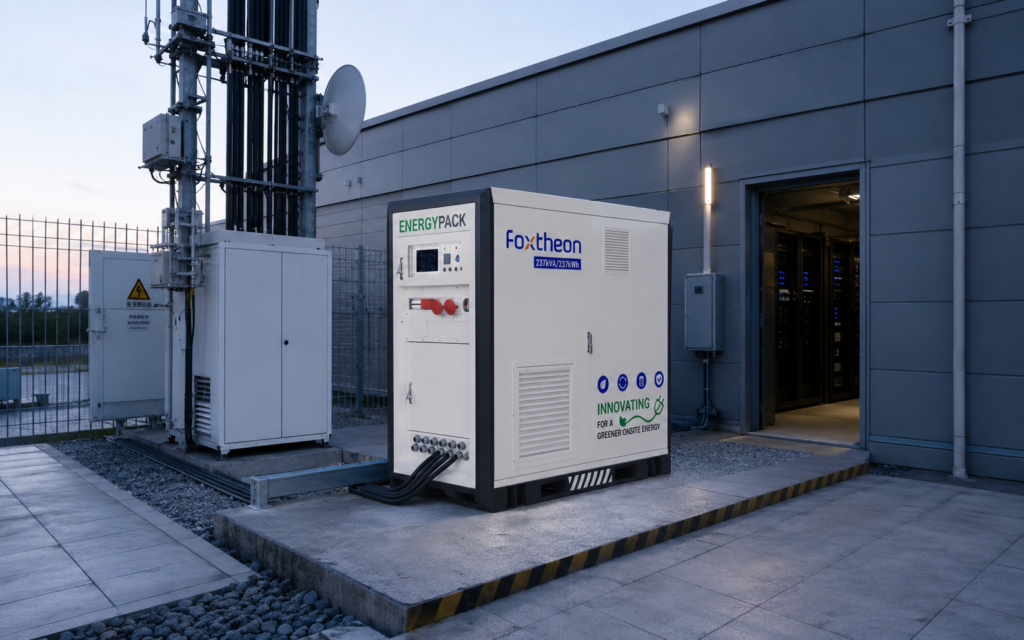
Understanding the Architecture of a Hybrid Power System
A hybrid power system is not merely a collection of independent power generators; it is an integrated, orchestrated ecosystem designed to optimize power delivery based on real-time demand and resource availability. Understanding the technical architecture requires looking at how these systems manage power flow between alternating current (AC) and direct current (DC) buses.
AC-Coupled vs. DC-Coupled Systems
In designing industrial microgrids, engineers must choose between AC-coupled and DC-coupled topologies, or utilize a combination of both:
- AC-Coupled Systems: In this configuration, different power sources (such as solar inverters and diesel generators) are connected on the AC side of the network. This topology is highly scalable and suitable for larger systems where loads are distributed over wider physical distances. It allows existing AC generation assets to integrate with minimal rewiring.
- DC-Coupled Systems: Here, renewable generation sources and battery storage systems connect to a common DC bus through specialized charge controllers. The DC power is then converted to AC via a bidirectional inverter for the facility’s loads. This architecture is typically highly efficient for smaller to mid-sized remote installations, particularly where battery charging from solar arrays is a primary operational requirement.
The Pivotal Role of the Microgrid Controller
The operational efficiency of any hybrid setup depends on the Microgrid Controller and the Energy Management System (EMS). These software and hardware layers monitor system frequency, voltage levels, battery State of Charge (SoC), and weather forecasts to make sub-millisecond decisions. By balancing the variable output of renewable sources with the controllable output of dispatchable generators, the controller maintains power quality and prevents voltage sags or total system blackouts.
Addressing Key Industrial Energy Pain Points
Industrial operators and commercial businesses face several structural challenges when relying solely on traditional energy architectures. Implementing a hybrid power system provides a stable, long-term methodology for mitigating these concerns.
1. Remote Logistics and Fuel Management
For off-grid sites, transporting diesel fuel across long distances and difficult terrain presents ongoing logistics challenges, environmental risks, and operational vulnerabilities. By utilizing renewable energy to handle a significant portion of the base load, a hybrid configuration reduces overall fuel consumption, thereby extending the operational interval between fuel deliveries and minimizing the logistical footprint of remote stations.
2. Intermittency of Renewable Energy
While solar and wind energy offer clean, low-marginal-cost power, their intermittent nature makes them unsuitable as sole power sources for mission-critical operations. A sudden drop in solar irradiance due to cloud cover can destabilize local operations. Integrating battery storage and conventional generators ensures that the system can ride through transient fluctuations without interrupting downstream processes.
3. Sub-Optimal Generator Loading
Conventional generators run most efficiently when loaded to approximately 70% to 80% of their rated capacity. When subjected to highly variable or low loads, generators experience “wet stacking”—a condition where unburned fuel accumulates in the exhaust system, leading to increased maintenance overhead and shortened equipment life. A hybrid configuration allows battery systems to absorb load fluctuations, enabling conventional generators to run at their sweet spot or shut down completely during low-load periods.
Key Technical Components of a Hybrid Setup
To build a resilient and reliable power solution, several primary sub-systems must work in harmony. Manufacturers such as Foxtheon focus on developing highly compatible, robust components that integrate smoothly into these complex microgrids.
Energy Storage Systems (ESS)
Modern battery storage relies heavily on Lithium Iron Phosphate (LFP) chemistry due to its thermal stability, safety profile, and long cycle life. The ESS acts as the primary buffer within the system, performing several key functions:
- Frequency Regulation: Rapidly injecting or absorbing power to maintain grid frequency within tolerance limits.
- Peak Shaving: Discharging stored energy during peak demand periods to avoid high utility demand charges or generator strain.
- Black Start Capability: Providing the initial voltage and power required to energize the local network after a complete shutdown, without relying on external power grids.
Bidirectional Power Conversion Systems (PCS)
The PCS, or bidirectional inverter, is the bridge between the battery bank and the AC distribution grid. It must handle bidirectional power flow, converting AC to DC to charge the batteries when excess renewable energy is available, and converting DC to AC when the system requires support. Advanced PCS units feature grid-forming capabilities, allowing them to establish a stable voltage and frequency reference in off-grid environments.
Distributed Energy Resources (DER)
This category encompasses the actual generation hardware, including PV modules, wind turbines, and reciprocating internal combustion engines. In a well-designed hybrid power system, these resources are sized relative to the load profile to maximize renewable utilization while maintaining sufficient spinning reserves to handle sudden load step changes.
Application Scenarios Across Industrial Sectors
The practical application of hybrid configurations spans multiple sectors, each with unique operational demands and geographic constraints.
Telecommunications Infrastructure
Remote telecom towers require continuous, highly reliable power to maintain network uptime. Traditional setups rely heavily on dual-diesel generators running alternately. By incorporating small-scale solar arrays and battery storage, operators can significantly reduce generator runtime. This transition extends equipment service intervals, reduces site visits for maintenance, and maintains communication link reliability even during fuel supply disruptions.
Mining and Resource Extraction
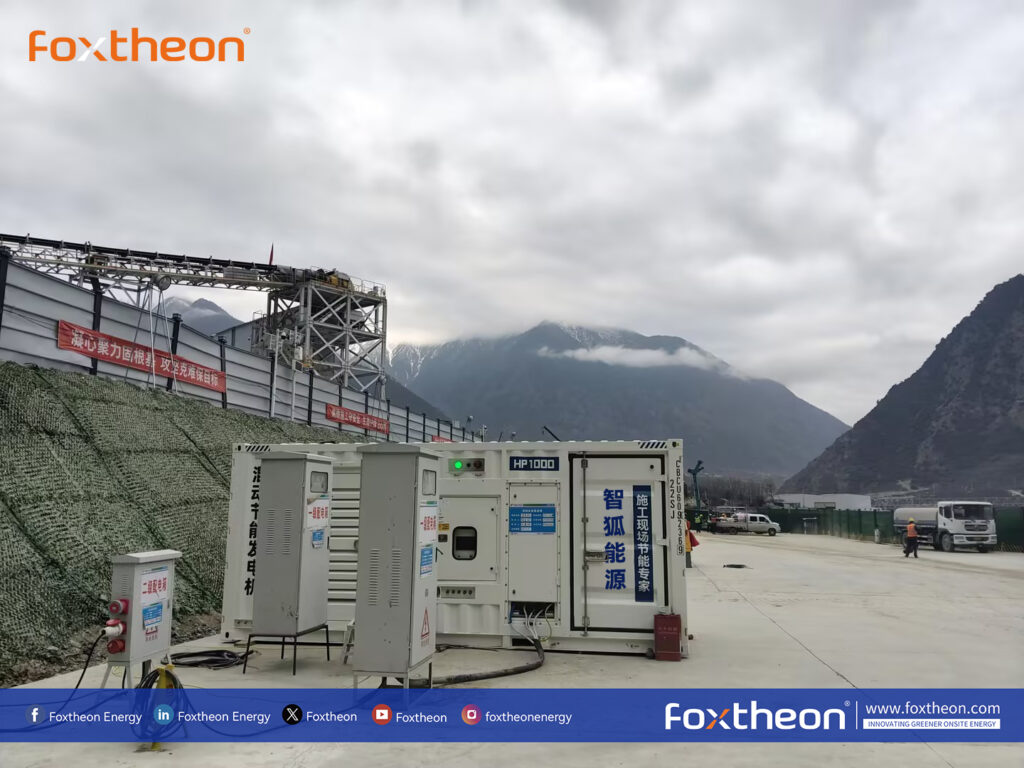
Mining operations are frequently located in extremely remote areas far from municipal utility grids. These facilities operate heavy machinery with high starting currents, which can cause severe voltage fluctuations. A large-scale hybrid power system combines high-capacity battery units with industrial-grade generators and solar farms. The battery system provides instantaneous power to handle the transient starting loads of heavy motors, preventing voltage dips across the rest of the mine’s infrastructure.
Agricultural and Irrigation Operations
Modern farming enterprises rely heavily on water pumping systems that operate seasonally or during specific hours of the day. Relying solely on the grid can lead to high peak-use fees, while relying entirely on diesel generators leads to high operational oversight. Integrating solar-powered pumps with a central battery and backup generator ensures that crops receive irrigation precisely when needed, optimizing energy usage patterns throughout the growing season.
Optimizing Existing Generation Assets
A common misconception is that transition to hybrid energy requires decommissioning existing power assets. For industrial distributors, contractors, and asset owners, this would represent an unacceptable loss of capital. A hybrid approach emphasizes cooperation and optimization rather than replacement.
By integrating a power storage and control layer, existing diesel or gas generators are upgraded from primary, continuously running prime-movers to strategic backup and support assets. This is where Foxtheon provides highly compatible power conversion technology that interfaces directly with standard industrial generator controllers. When the renewable assets and battery storage can meet the facility’s demand, the generators are safely placed in standby mode. When demand spikes or environmental conditions limit solar/wind output, the system automatically commands the generator to start, synchronizes it with the active microgrid, and ramps up its load smoothly. This cooperative operation minimizes unnecessary idling, reduces thermal stress on mechanical components, and preserves the long-term value of the original generator assets.
Frequently Asked Questions
Q1: What are the primary energy sources integrated into a standard hybrid power system?
A1: A standard system typically integrates solar photovoltaic (PV) arrays, wind turbines, or small-scale hydroelectric installations with conventional diesel or natural gas generators. This generation mix is supported by a Battery Energy Storage System (BESS) and controlled by an intelligent Energy Management System (EMS) to ensure continuous power delivery.
Q2: How does a hybrid power system maintain power quality during sudden weather changes?
A2: The system utilizes its battery energy storage component to act as an instantaneous buffer. When solar irradiance drops suddenly due to cloud cover, the bidirectional inverter quickly draws power from the batteries to compensate for the deficit within milliseconds, preventing voltage fluctuations and protecting sensitive downstream equipment.
Q3: Can a hybrid system operate completely independent of the utility grid?
A3: Yes, these systems can be designed for off-grid or “islanded” operation. In this mode, the system’s grid-forming inverters and control software establish a local voltage and frequency reference, managing the balance between local generation, battery storage, and active loads without any external grid connection.
Q4: How does adding a battery storage system affect the lifespan of existing diesel generators?
A4: Adding battery storage generally extends the operational lifespan of diesel generators. By absorbing transient load peaks and handling low-load periods, the batteries prevent generators from running at sub-optimal, low efficiencies (which causes soot buildup and mechanical strain), allowing them to operate under stable, optimal loading conditions.
Q5: What safety standards must a hybrid power system meet for industrial deployment?
A5: Industrial installations must comply with local and international electrical and safety standards, such as IEC 62477 (power electronic converter systems), IEC 62619 (safety requirements for lithium battery systems), and local utility grid-connection codes (such as IEEE 1547 in North America) to ensure safe, reliable operation and prevent hazards during grid-tied or islanded conditions.
Technical Consultation and Inquiry
Designing a high-performance power system requires careful consideration of load profiles, environmental conditions, and existing electrical infrastructure. A poorly matched system can lead to operational inefficiencies or premature component wear.
The engineering team at Foxtheon specializes in developing scalable, industrial-grade energy storage and power conversion solutions designed to integrate with your existing power infrastructure. Whether you are seeking to optimize a remote telecom network, enhance a commercial facility’s grid resilience, or explore hybrid configurations for distribution partnerships, we provide comprehensive technical support and tailored system designs.
To discuss your specific project requirements, load profiles, or system integration needs with a qualified application engineer, please submit a technical inquiry through our online portal. Our team will review your specifications and provide a structured, technically detailed proposal aligned with your operational goals.