
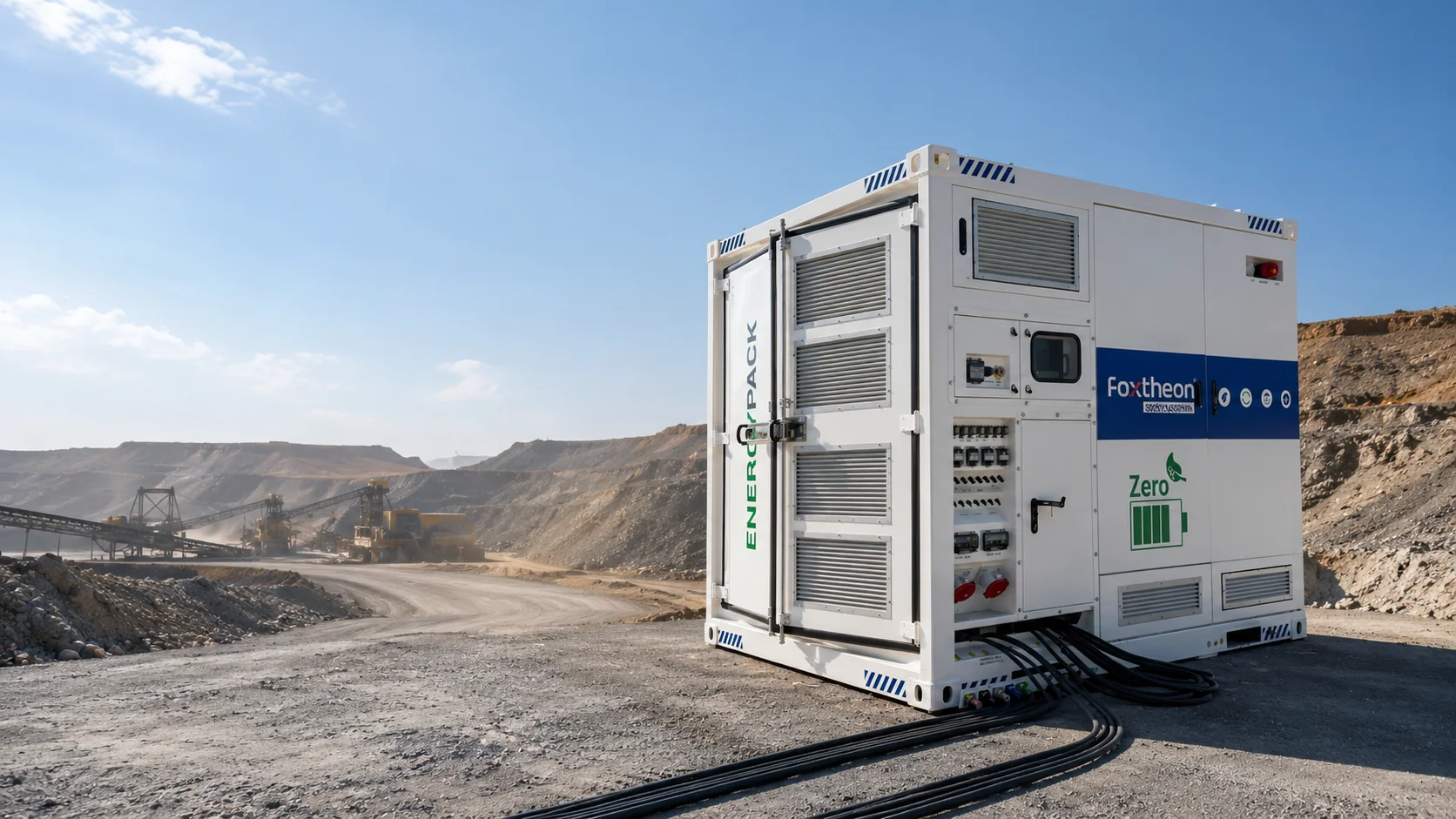
Industrial operations across mining, construction, oil and gas, and emergency response face persistent challenges in maintaining stable electricity supply in remote or grid-constrained environments. Mobile power generation has evolved from simple diesel genset trailers to sophisticated hybrid systems integrating battery storage, intelligent load management, and renewable input ports. This article examines the engineering principles, field deployment realities, and procurement considerations that define modern mobile power generation solutions, with a focus on measurable reliability, fuel efficiency, and site-specific configurability.
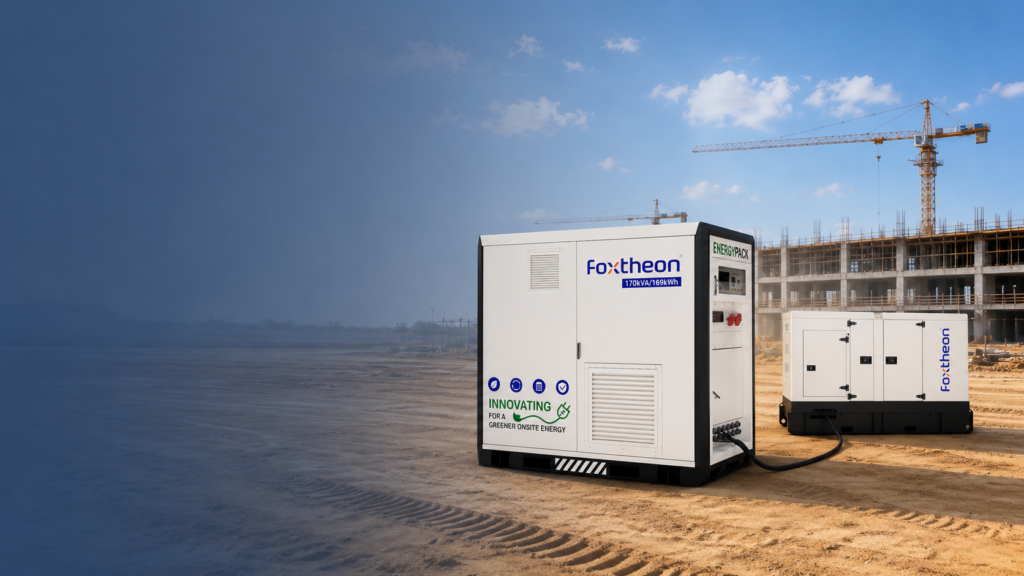
The Technical Foundation of Mobile Power Generation Systems
At the core of any industrial mobile power generation unit lies a three-layer architecture: primary energy conversion, energy storage and conditioning, and control logic. Unlike stationary power plants, mobile systems must operate within strict weight, footprint, and acoustic constraints while delivering consistent voltage and frequency under variable loads.
Power Electronics and Inverter Topologies
The inverter stage determines how raw DC from batteries or rectified AC from an onboard generator gets transformed into usable AC power. Modern Mobile power generation equipment increasingly adopts bi-directional inverter designs that support both grid-forming and grid-following modes. This allows a single unit to operate as a standalone microgrid or synchronize with existing site power without causing phase mismatch. SiC (silicon carbide) MOSFETs have gained traction in this space due to their higher switching frequencies and lower thermal losses, enabling smaller cooling systems and reduced enclosure dimensions—both critical for mobility.
Energy Storage Integration and Battery Management Systems
Lithium iron phosphate (LFP) cells now dominate the mobile energy storage segment because of their thermal stability and extended cycle life in high-vibration environments. A robust BMS (battery management system) performs cell balancing, state-of-charge estimation, and overcurrent protection while communicating with the generator controller to determine when to start or stop the engine. This coordination directly impacts fuel consumption and runtime, as the BMS can prioritize battery discharge during low-load periods and engage the generator only during peak demand. For operations requiring continuous 24/7 power, dual-battery banks with automatic transfer switching offer redundancy without increasing the physical footprint.
Application Scenarios for Mobile Power Generation in Industrial Contexts
Understanding where and how mobile power generation equipment gets deployed helps specifiers match system capabilities to real-world duty cycles. Each scenario imposes distinct requirements on power quality, portability, and environmental tolerance.
Remote Construction Sites
Off-grid construction projects—roadbuilding, pipeline installation, and bridge construction—often lack utility access for years. Mobile power units provide temporary prime power for welding equipment, concrete vibrators, site lighting, and office containers. The key challenge here is load volatility: a welding rig might draw 80kW intermittently, while lighting and ventilation run continuously at lower levels. Hybrid mobile power systems with integrated storage smooth these peaks, allowing the generator to operate at optimal load rather than constantly ramping up and down. This not only reduces fuel use but also minimizes wear on mechanical components, extending service intervals.
Mining Operations
Surface and underground mining present extreme conditions: dust, humidity, temperature swings, and limited ventilation. Mobile power generation assets used in mining must feature IP54 or higher ingress protection, corrosion-resistant enclosures, and reinforced suspension systems. Furthermore, mining sites often deploy multiple mobile units in parallel to achieve total capacity exceeding 1MVA. Paralleling requires precise synchronization and load-sharing logic, often managed through a central controller that communicates via CAN bus or industrial Ethernet. Some operations integrate solar-ready inputs to reduce diesel dependency during daylight hours, though this adds complexity to the charge controller and MPPT (maximum power point tracking) algorithms.
Emergency Response and Disaster Recovery
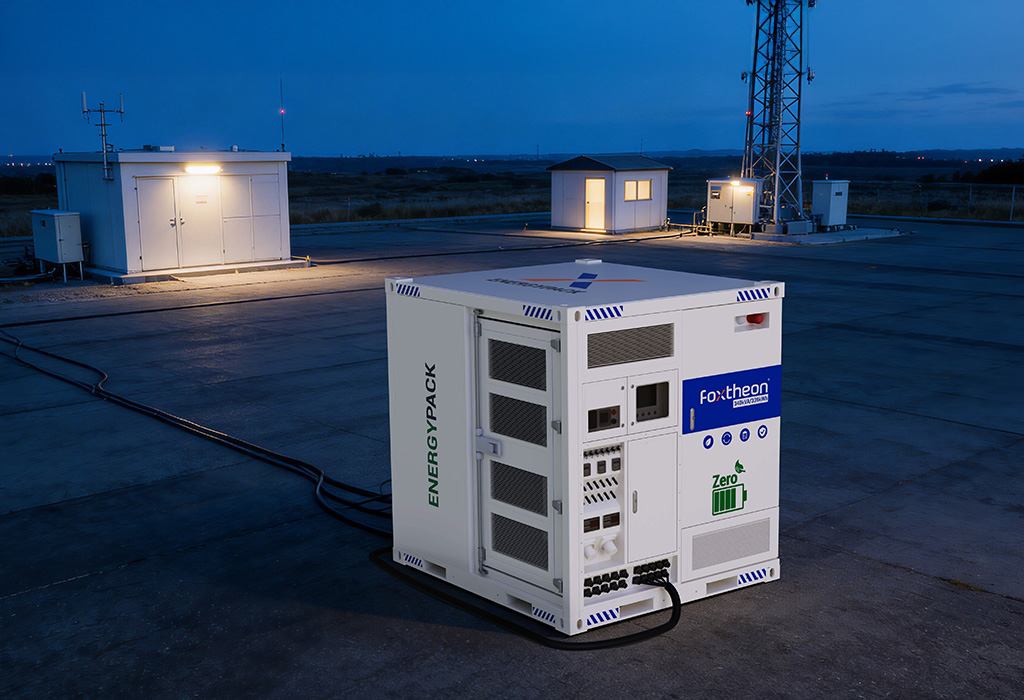
After hurricanes, floods, or earthquakes, damaged transmission lines can leave critical infrastructure—hospitals, water treatment plants, and communication towers—without power for days. Mobile power generation systems designed for rapid deployment emphasize quick-connect distribution panels, integrated forklift pockets, and towable chassis with highway-speed ratings. In these scenarios, the priority shifts from fuel economy to start-up speed and fault tolerance. Systems with black-start capability and automatic mains failure (AMF) detection can restore power within seconds of grid loss, reducing downtime for life-safety systems.
Temporary Events and Infrastructure Projects
Large-scale sporting events, film productions, and seasonal construction camps require power for durations of weeks to months. Here, acoustic noise becomes a limiting factor, particularly in urban or residential-adjacent locations. Sound-attenuated enclosures with forced-air cooling and exhaust silencers reduce operational noise to below 70 dBA at 7 meters. Additionally, these deployments often call for multi-voltage output (120V/208V/480V) and frequency conversion (50/60 Hz) to accommodate diverse equipment inventories. Advanced mobile units incorporate auto-ranging transformers that adjust output without manual tap changing.
Addressing Industry Pain Points Through Advanced Mobile Power Generation
Fleet managers and project engineers consistently report three operational pain points that directly affect project timelines and budgets: fuel logistics, maintenance scheduling, and load mismatches. Each of these can be mitigated through intelligent system design rather than simply increasing generator size.
Fuel logistics in remote areas account for a significant portion of operational expenses. Mobile power generation systems with integrated telematics provide real-time fuel consumption data, tank level monitoring, and predictive alerts for refueling needs. By analyzing historical load patterns, the control algorithm can adjust generator output to operate within its most fuel-efficient band, typically between 65% and 85% of rated capacity. Some systems also offer dual-fuel capability (diesel and natural gas), allowing operators to switch based on fuel availability and price fluctuations at the site.
Maintenance scheduling becomes more predictable when the system tracks runtime hours, start cycles, and oil temperature profiles. Instead of relying on calendar-based intervals, condition-based maintenance alerts trigger when specific thresholds are crossed—for example, when coolant temperature deviates from the historical average by more than 8°C. This approach reduces unplanned downtime and extends major overhaul intervals from 2,000 hours to 3,500 hours in documented field tests.
Load mismatches occur when a generator is either oversized (leading to wet stacking and carbon buildup) or undersized (causing voltage dips and nuisance tripping). Hybrid mobile power architectures address this by using the battery as a buffer: during high-demand transients, the battery supplies additional current, while during light-load periods, the generator can shut down entirely and the system runs on stored energy. This peak-shaving capability allows operators to specify a generator that matches the average load rather than the peak, reducing both capital expense and long-term fuel consumption.
Material Science and Component Selection in Mobile power generation
The physical durability of mobile power equipment depends heavily on material choices for enclosure, frame, and thermal management components. High-strength steel with zinc-rich primer coatings provides corrosion resistance in coastal or high-humidity environments, while aluminum composite panels offer weight savings for applications that require frequent towing.
Thermal management is particularly challenging because mobile units operate outdoors with varying solar gain and ambient temperatures. Radiator designs with multi-pass cores and hydraulically driven fans maintain engine temperatures within optimal ranges even at 50°C ambient. For the battery compartment, liquid cooling plates with ethylene-glycol circulation prevent thermal runaway and preserve cell cycle life. Insulation materials used in sound-attenuated enclosures must balance acoustic absorption with fire retardancy; mineral wool and closed-cell foam are common choices that meet UL 94 V-0 standards.
Connector systems for input and output cables also warrant attention. Heavy-duty Anderson-style or Harting connectors with IP67 ratings ensure reliable electrical contact despite repeated mating cycles and exposure to dust. Voltage selection switches and circuit breakers should be easily accessible but protected against accidental operation—typically through recessed panels or lockable covers.
Supplier Evaluation and Procurement Framework
Selecting a supplier for mobile power generation equipment requires technical due diligence beyond brochure specifications. Procurement teams should request full-load acceptance test reports, harmonic distortion measurements (THD below 5% for sensitive electronics), and transient response data (voltage recovery within 5% of nominal in under 100 ms). These parameters directly influence the quality of power delivered to downstream equipment and the overall reliability of the system.
Factory audits can verify that manufacturing processes adhere to ISO 9001 and ISO 14001 standards, with particular attention to welding quality, wiring harness assembly, and final system integration testing. Suppliers that maintain in-house engineering teams for custom control logic modifications are better positioned to address site-specific requirements such as remote monitoring integration, SCADA protocol support (Modbus, DNP3, or IEC 61850), and customized output panels.
For global operations, after-sales support infrastructure—regional service centers, spare parts availability, and field technician training programs—should carry equal weight as initial equipment pricing. Suppliers with a demonstrated track record in the target region can reduce logistical delays during commissioning and emergency repairs. Foxtheon has established a network of service partners across North America, Europe, and Southeast Asia, providing localized support for its Mobile power generation product lines. This geographic coverage ensures that customers receive consistent technical assistance regardless of deployment location.
Customization capabilities also differentiate commodity suppliers from solution-oriented partners. Some projects require specific fuel tank capacities, towbar configurations, or paint colors for site safety compliance. Suppliers that offer modular design platforms can accommodate these variations without extensive re-engineering, shortening lead times and reducing non-recurring engineering charges. When evaluating bids, procurement managers should compare the total scope of supply—including cables, distribution panels, remote monitoring gateways, and startup consumables—to avoid unexpected project cost overruns.
Frequently Asked Questions
Q1: What is the typical operational lifespan of a hybrid mobile power generation system under continuous heavy use?
A1: With proper maintenance and load management, hybrid mobile power generation systems using LFP batteries and Tier 4 diesel engines typically achieve 15,000 to 20,000 running hours before major overhaul. Battery packs often retain 80% of original capacity after 4,000 cycles, which translates to 8–10 years of daily cycling. Lifespan depends heavily on ambient temperature control and adherence to recommended charge/discharge rates.
Q2: How do I determine the appropriate generator-to-battery capacity ratio for my site?
A2: The ratio depends on your load profile’s peak-to-average ratio. For sites with frequent high-load surges (e.g., multiple welders starting simultaneously), a 1:1.5 generator-to-battery capacity ratio provides adequate buffering. For relatively constant loads, a 1:1 ratio works well. Performing a seven-day load study with 15-minute interval logging gives you the empirical data needed for precise sizing. Many suppliers offer sizing calculators that incorporate these parameters.
Q3: Can mobile power generation units be paralleled with existing site generators that have different brands or ages?
A3: Yes, but only if they share the same voltage, frequency, and phase rotation, and if their governors and AVRs (automatic voltage regulators) support droop control or isochronous load sharing. A master synchronizer panel monitors phase angles and closes the connection when they align within acceptable limits. Older generators may need retrofitted controllers to enable compatible communication protocols. It is advisable to consult with an integration engineer before attempting mixed-fleet paralleling.
Q4: What are the primary maintenance intervals for mobile power generation systems in dusty environments?
A4: In high-dust conditions (e.g., mining or desert construction), air filter replacement intervals should be shortened from the standard 500 hours to 250 hours. Coolant and oil sampling should be performed every 250 hours to detect early signs of contamination or wear. Radiator fins require weekly visual inspection and periodic cleaning with compressed air. Foxtheon provides a maintenance schedule template that adjusts for environmental severity based on site-specific data.
Q5: How does altitude affect the performance of mobile power generation equipment?
A5: Above 1,000 meters, reduced air density lowers engine power output and cooling efficiency. As a rule of thumb, derate engine power by 3% per 300 meters above 1,000 meters. For sites above 2,500 meters, turbocharged engines with high-altitude tuning and oversized radiators are recommended. The inverter and battery sections are largely unaffected by altitude, but cooling fans may need to run at higher speeds to compensate for lower air density.
Q6: Is it feasible to integrate renewable energy inputs into existing mobile power generation setups?
A6: Yes, provided the system’s charge controller supports auxiliary DC inputs with appropriate MPPT or PWM (pulse-width modulation) algorithms. Most modern hybrid controllers include dedicated input ports for solar arrays or small wind turbines. The integration requires careful coordination between the renewable source, battery state-of-charge, and generator start/stop logic to prevent overcharging or unnecessary generator runtime. Retrofitting an existing unit is possible but typically requires a control module upgrade and additional combiner boxes.
Inquiry for Mobile Power Generation Solutions
For technical specifications, customized system design, or to request a site-specific load analysis, contact our engineering team directly. We provide detailed proposals that include single-line diagrams, component datasheets, and factory acceptance test protocols.